



An Overlooked Nutritional Powerhouse
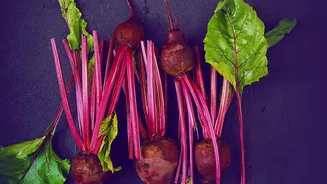
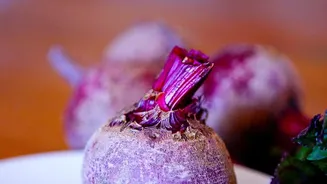
Often, the first thing people do when they get home with a fresh bunch of beets is twist off the leaves and send them straight to the compost bin. But these leaves are nutritional treasures. Beet greens are loaded with vitamins, including impressive amounts
of vitamins K, A, and C. They also provide a healthy dose of minerals like iron, potassium, calcium, and magnesium. Despite being packed with nutrients, they are very low in calories, making them a fantastic addition to any health-conscious diet. Historically, the greens were valued for their healing properties long before the root became popular, and for good reason. They are rich in antioxidants that help protect the body from stress and are a great source of dietary fibre, which aids digestion.
Understanding the Flavour Profile
If you enjoy the earthy sweetness of beetroot, you’ll likely appreciate its greens. Their flavour is often compared to Swiss chard or spinach—mild, slightly sweet, and earthy. Younger, smaller leaves are particularly tender and sweet, making them suitable for eating raw in salads. Older, larger leaves might have a slightly more bitter note, but this mellows beautifully with cooking. To balance their earthy taste, pair them with bright, acidic ingredients like a squeeze of lemon juice or a splash of vinegar. Rich fats like olive oil and the savoury punch of garlic also complement their flavour wonderfully, creating a well-rounded and satisfying side dish.
Mastering the Texture
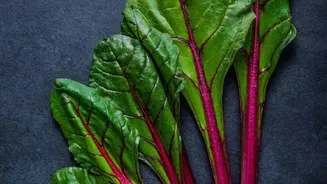
The key to perfectly cooked beet greens is understanding their two distinct parts: the tender leaves and the crisp stems. The stems are more fibrous and require a longer cooking time than the delicate leaves. For the best results, separate the two before you start cooking. Finely chop the stems and start sautéing them a few minutes before you add the leaves. The stems will soften but retain a pleasant, crisp-tender bite, offering a delightful textural contrast to the silky, wilted leaves. This simple two-step process ensures every part of the green is cooked to perfection, avoiding mushy leaves or tough, undercooked stems.
A Simple Sauté to Get You Started
The easiest way to fall in love with beet greens is a simple sauté. Start by heating olive oil in a skillet over medium heat. Add minced garlic and the chopped beet stems, cooking for about five to eight minutes until the stems start to soften. Next, toss in the chopped leaves with a pinch of salt and pepper. Cook for just a few more minutes, tossing frequently, until the leaves are wilted and tender. Finish with a squeeze of fresh lemon juice to brighten the flavours. For extra flair, you can add a pinch of red pepper flakes with the garlic for some heat, or toss in some toasted nuts or raisins at the end for more texture and sweetness.
Creative Ways to Use Beet Greens
Once you’ve mastered the basic sauté, you can start incorporating beet greens into a variety of dishes. Blend them into a vibrant pesto, using them as a substitute for basil for an earthy twist. Chop them and add them to soups, stews, or frittatas during the last few minutes of cooking for a nutritious boost. The tender young leaves can be used raw in salads or blended into smoothies. You can even toss wilted greens with pasta, feta cheese, and walnuts for a quick and satisfying meal. Don’t forget the stems—their crunchy texture makes them a great addition to grain bowls or even a candidate for quick pickling.
How to Select and Store Them
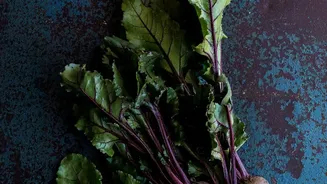
For the best experience, choose beets with fresh, vibrant, and unwilted greens attached—this is a great sign of the overall freshness of the root as well. As soon as you get them home, it's best to separate the greens from the roots, leaving about an inch of the stem on the beetroot. This prevents the leaves from drawing moisture out of the beet itself, keeping both parts fresher for longer. Store the unwashed greens in a plastic bag in your refrigerator’s crisper drawer, where they should last for two to four days. It's best to wash them just before using to preserve their delicate texture.