







A Friend in Your Pocket
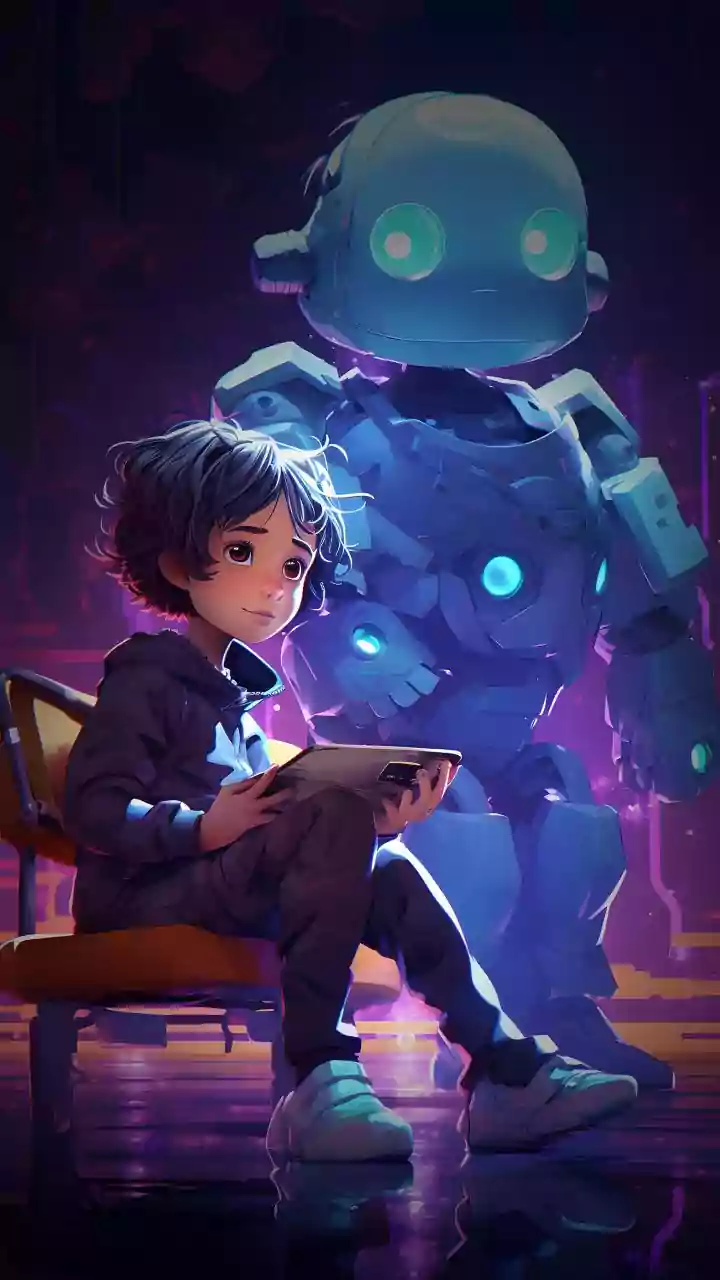
AI companions are no longer science fiction; they are a rapidly growing industry. Apps like Replika and Character.AI offer users personalized chatbots designed to simulate friendship, mentorship, and even romance. Powered by advanced large language models,
these AIs learn from conversations, remember personal details, and adapt their personalities to be the perfect confidant. Their appeal is undeniable: they offer a non-judgmental ear, available any time of day, without the complexities and demands of human relationships. For many users, this constant, unconditional availability provides a powerful antidote to social isolation. They are turning to these digital entities to vent frustrations, share secrets, and combat the quiet pangs of loneliness. The promise is one of connection without consequence, a safe space to be oneself without fear of rejection or misunderstanding.
The Digital Cure for Loneliness?
For those feeling isolated, the immediate benefits can seem profound. Some studies and user reports suggest that interacting with an AI can provide momentary reductions in loneliness and offer genuine emotional comfort. The act of self-disclosure—sharing one's thoughts and feelings—can be therapeutic, and AI companions are built to encourage it. They can feel like better listeners than humans, always attentive and endlessly patient. However, recent research paints a more complicated picture. A 2026 study from Stanford University found that for users with smaller real-world social networks, relying on AI for emotional support was correlated with lower well-being and, paradoxically, increased feelings of loneliness. Experts call this the “social snack” effect: it provides a short-term fix that satisfies the immediate hunger for connection but lacks the nutritional value of a real relationship, potentially leading to a vicious cycle of further withdrawal.
A Question of Trust and Truth
Building a relationship with an AI requires sharing personal, often sensitive, information. This has created an ethical minefield centered on trust and data privacy. Most companion apps collect and store conversations, and their privacy policies often grant them the right to use this data for training their models. Some policies even state that human reviewers may read chats for safety purposes, shattering the illusion of a private confessional. Beyond data, there's the question of emotional trust. An AI cannot truly care or understand; it is designed to mimic empathy. This creates a one-sided dynamic. Unlike in human relationships, where vulnerability is reciprocal, a user pours their heart out to an algorithm that has no feelings or true agency. This can create unrealistic expectations for human interaction, potentially eroding our patience for the messy, imperfect, but authentic nature of real relationships.
Redefining Human Connection
The rise of AI companionship forces us to confront fundamental questions about what we seek from our relationships. Are we seeking true connection, or merely the absence of loneliness? As we increasingly interact with systems designed to be perfectly agreeable and supportive, we risk losing our tolerance for the disagreements, compromises, and emotional labor that real human connection requires. Psychologists worry about “empathy atrophy”—a potential dulling of our ability to recognize and respond to the emotional needs of others because we have grown accustomed to interactions that cater only to us. The long-term societal impact is still unknown, but the trend is clear: we are integrating AI into our emotional lives. This shift is not just about a new app or gadget; it's about fundamentally altering the social fabric and the very definition of what it means to have a friend.