



The Problem with Stems
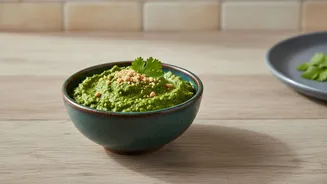
We’ve all been there. You’ve gathered the freshest pudina, fragrant coriander, sharp chillies, and tangy lemon, only for your final chutney to have an unpleasantly coarse or stringy consistency. The primary culprit is often the mint stem. While mint leaves
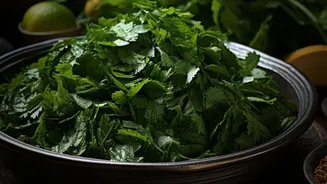
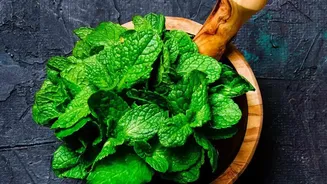
are tender and packed with the cool, refreshing flavour we love, the stems are a different story. They are fibrous and woody, especially on more mature plants. These tough fibres are difficult for even powerful blender blades to break down completely. This not only results in a gritty texture but can also introduce a noticeable bitterness, overpowering the delicate balance of flavours you've worked to create. Removing them is a non-negotiable step for achieving a professional, restaurant-quality smoothness.
The Chutney Conundrum: Mint vs. Coriander Stems
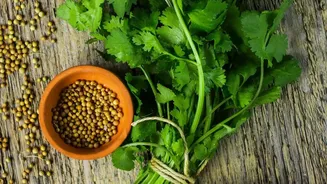
Here's where it gets interesting for any avid chutney-maker. While you should diligently remove mint stems, the opposite is true for coriander (dhania). The stems of fresh coriander are tender and hold an immense amount of flavour—often more potent than the leaves themselves. Including these stems in your chutney will give it a more robust, earthy, and aromatic character. So, the rule of thumb is simple: for pudina, use only the leaves; for dhania, use both leaves and the tender stems. Discard only the thickest, toughest parts at the very base of the coriander bunch. This simple distinction is a game-changer for creating the perfect green chutney.
A Simple Guide to Stripping Mint
Prepping mint doesn’t have to be a tedious, leaf-by-leaf process. There are a few quick techniques to get the job done efficiently. The most common method is to hold the top of the mint sprig with one hand and, with the other, pinch the stem and slide your fingers downwards. The leaves should come right off in one swift motion. For larger batches, a handy kitchen hack is to use a colander or a slotted spoon. Simply pull the mint sprig through one of the holes; the leaves will be neatly collected on the inside while the bare stem is left in your hand. Whichever method you choose, taking these few extra moments will pay significant dividends in the final texture of your chutney.
More Secrets to a Silky-Smooth Chutney
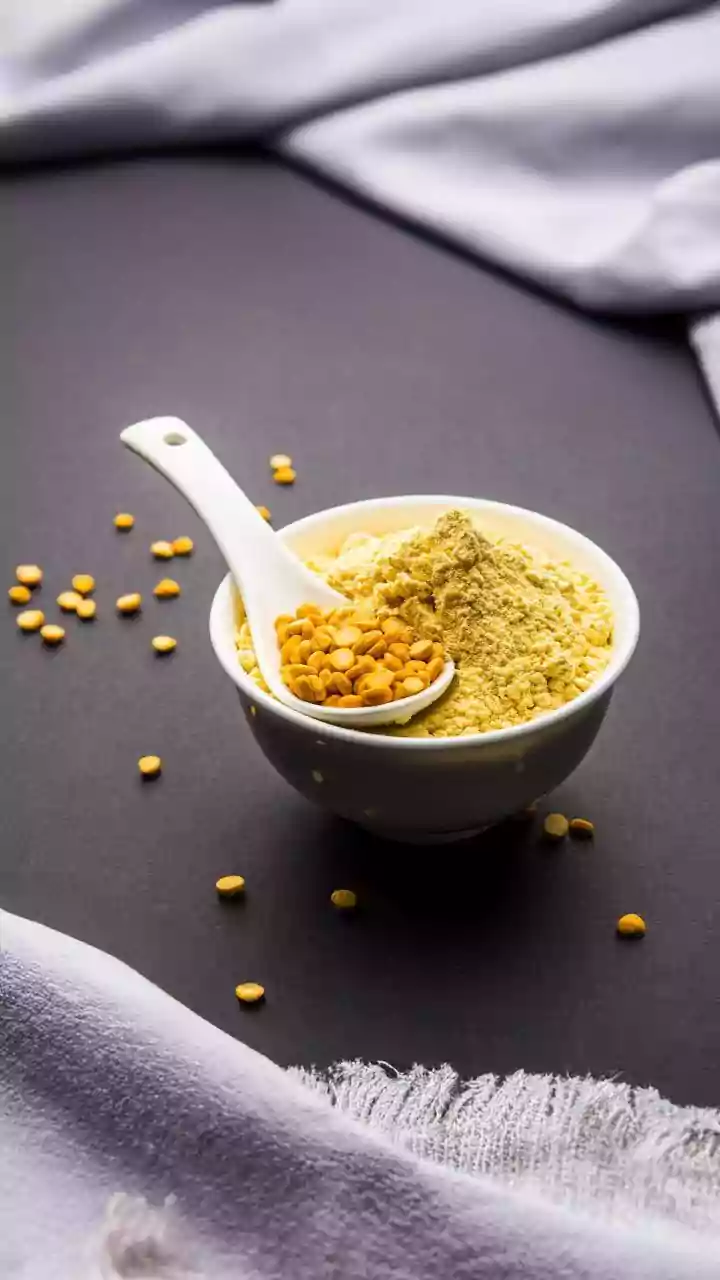
Beyond stem-stripping, a few other techniques can elevate your chutney from good to great. First, consider the order of operations. It’s often best to blend tougher ingredients like ginger, garlic, and chillies with a little liquid first before adding the delicate herbs. This ensures everything breaks down evenly. Second, be mindful of water content. Adding too much liquid upfront can result in a runny, diluted chutney. Add water or lemon juice gradually, just enough to get the blades moving, until you reach your desired consistency. Using ice-cold water can also help preserve the chutney's vibrant green colour. Finally, don't underestimate the power of your equipment. A high-speed blender will always yield a smoother result than a standard model. If your blender struggles, adding a thickening agent like a tablespoon of roasted chana dal, peanuts, or grated coconut can help create a creamier, more cohesive texture.