
Why We Love the Mix
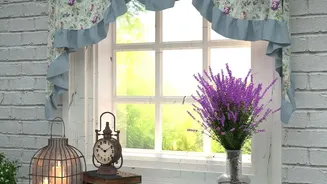
A home decorated with a thoughtful blend of styles looks curated and evolved over time, rather than assembled in one go. Vintage patterns—be it a classic floral, a bold geometric, or a delicate toile—inject history, craftsmanship, and a touch of nostalgia
into a room. They carry stories and a level of artistry that can make a space feel soulful and unique. When paired with the clean lines and simple forms of contemporary furniture, these patterns create a dynamic contrast that is both visually interesting and deeply personal. The goal is not to create a perfect period-piece room, but a layered home that reflects your own story.
Start with a Single Statement
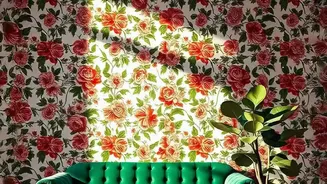
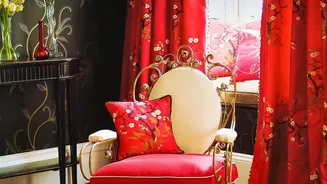
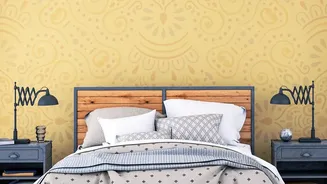
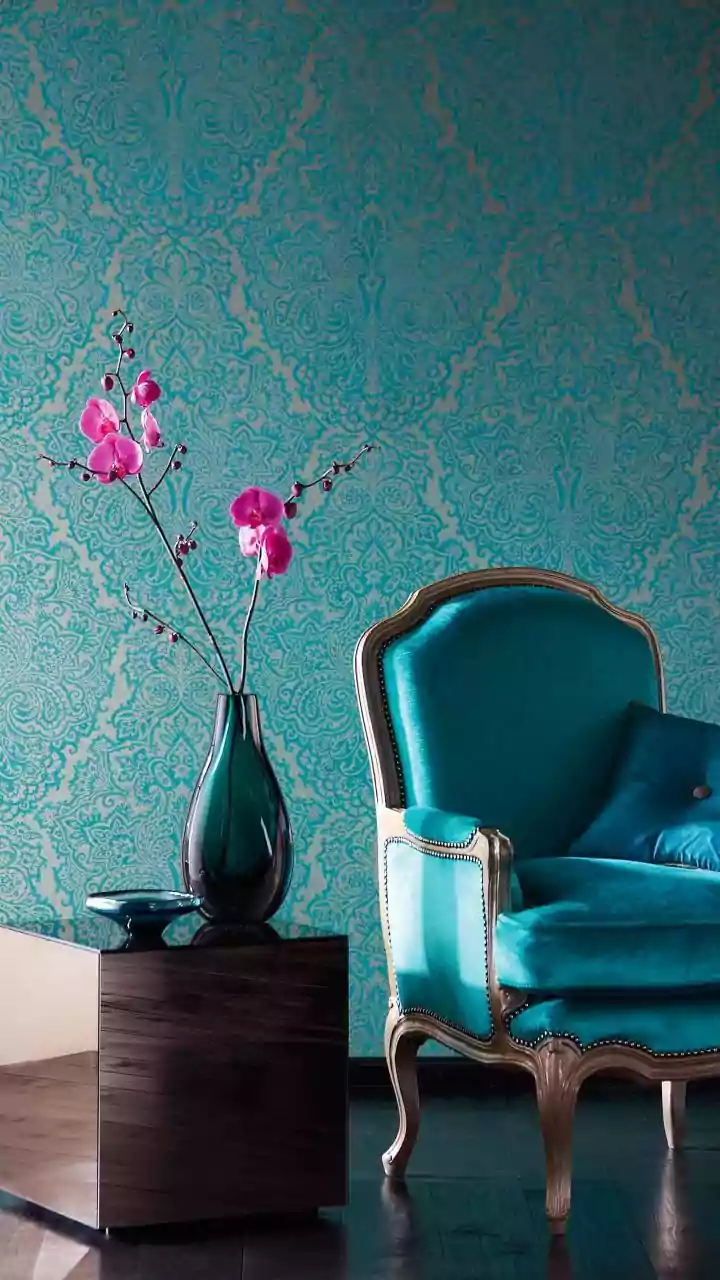
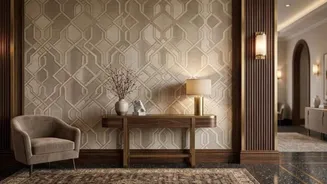
The easiest way to begin mixing patterns is to choose one 'hero' pattern to be the focal point. This could be a large-scale print on a statement wallpaper wall, a vintage-inspired rug that grounds the room, or a bold fabric on an armchair. By selecting one dominant pattern, you give the room a clear anchor. All other patterns and colours can then act as supporting characters, complementing the main feature without competing for attention. This prevents the space from feeling chaotic and ensures the design feels intentional. If you're hesitant, start small with accessories like throw pillows or a single piece of framed textile art.
Create Unity with a Cohesive Colour Palette
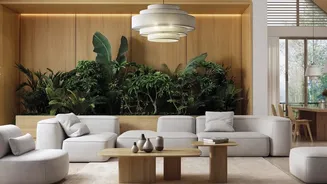
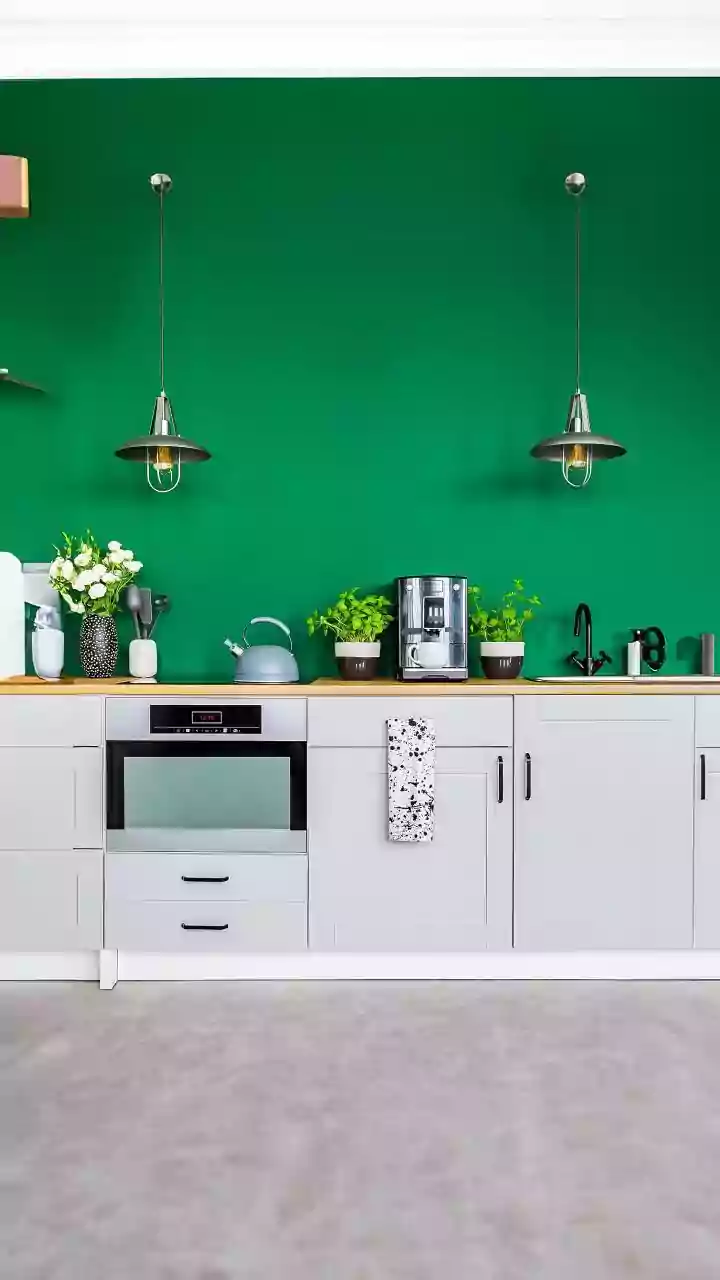
Colour is the thread that ties everything together. To make different patterns from different eras feel harmonious, ensure they share a common colour story. You can pull two or three key colours from your main vintage pattern and repeat them throughout the room in solid-coloured contemporary pieces, accessories, and even smaller accent patterns. Sticking to a controlled palette allows you to play with more complex or varied patterns without the room feeling visually overwhelming. Using neutral colours for larger elements like walls or a sofa can also provide a calm backdrop that lets your chosen patterns shine.
Play with Pattern Scale
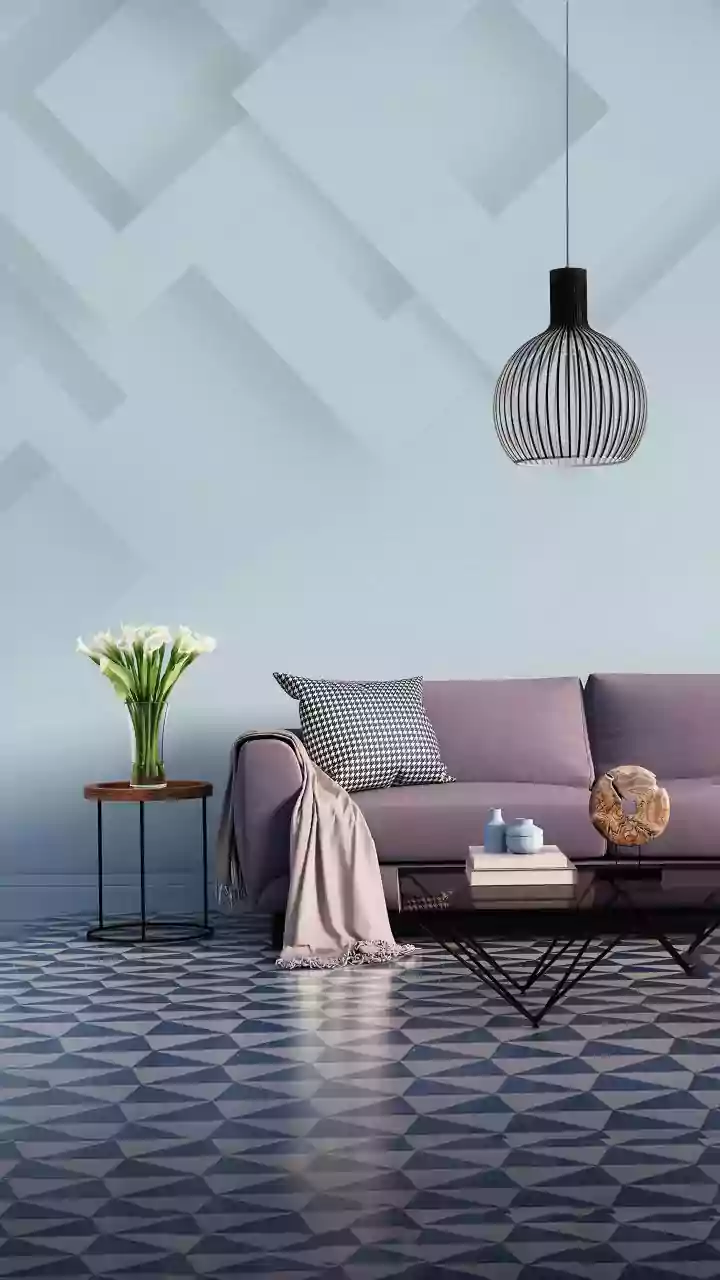
One of the most important rules in pattern mixing is to vary the scale. Combining large, medium, and small-scale patterns creates visual balance and allows each design to be appreciated. Patterns of a similar size tend to compete, making a room feel busy. A good rule of thumb is to follow the '60/30/10' principle, where you might use a large-scale pattern for 10% of the room (like a statement piece), a smaller-scale pattern for 30% (cushions or curtains), and solids or textures for the remaining 60% (walls, sofa). This creates a hierarchy that guides the eye and feels rhythmically pleasing.
Balance Pattern Types and Textures
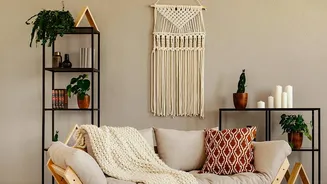
Beyond scale, it's also effective to mix different types of patterns. For instance, pair an organic, flowing floral print with a crisp, structured geometric like a stripe or a chevron. This contrast between pattern themes adds another layer of interest. Texture is also a powerful tool for bridging the gap between old and new. The rich feel of a vintage velvet or a hand-loomed Kantha throw can soften the hard edges of a modern metal lamp or a sleek leather sofa. Mixing materials like wood, metal, linen, and wool helps to build a space that feels warm, inviting, and multi-dimensional.