






The High Cost of Throwing Away
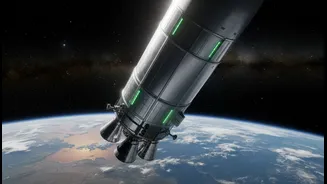
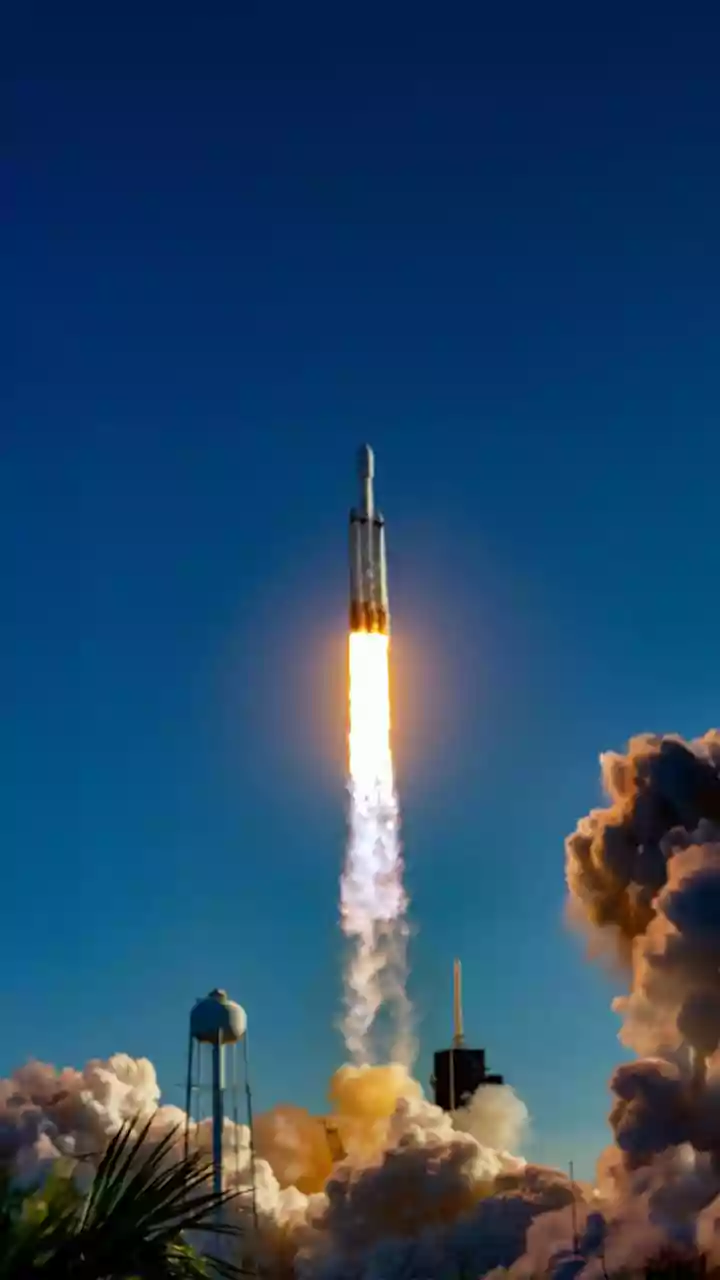
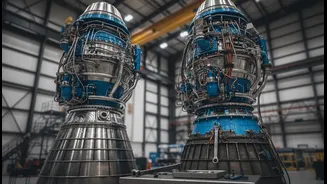
Every time a satellite is delivered to a high orbit, the powerful upper stage of the rocket that gets it there is often left behind. These massive, multi-tonne metal structures, having done their job, become high-speed debris. They join the ever-growing
junkyard of over 6,000 tonnes of material in Low Earth Orbit. This not only creates a hazard for current and future missions but represents a colossal waste. We spend billions to launch these high-tech structures, only to abandon them moments after they reach space. This traditional, disposable model is incredibly expensive, with launch costs running into thousands of dollars per kilogram. It's like building a brand-new cargo ship for a single journey and then scuttling it at the destination port.
A Mission to Upcycle
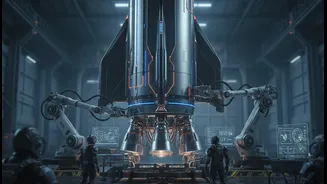
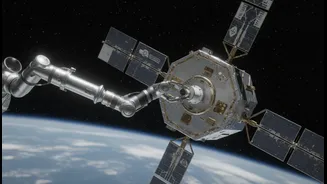
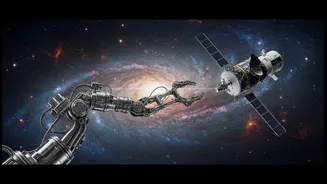
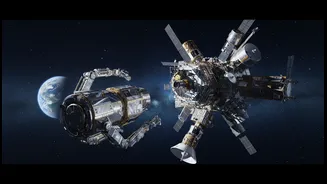
Enter the concept behind missions like Mission-02. Pioneering companies like Nanoracks, through its Outpost program, and ThinkOrbital are developing the technologies to change this paradigm. The idea is revolutionary in its simplicity: instead of discarding a spent upper stage, capture it. Once secured, robotic systems can get to work. These concepts involve outfitting the rocket stage before launch with a kit that allows it to be controlled after its primary mission is complete. Then, using advanced robotic arms equipped with tools for cutting, welding, and assembly, the empty fuel tank can be transformed. Initial demonstration missions have already proven that technologies like debris-free friction milling, which uses a high-speed tool to melt metal for a clean cut, can work in the vacuum of space.
From Fuel Tank to Space Station
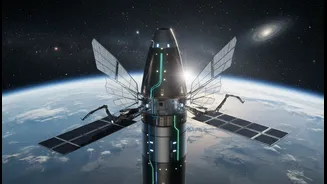
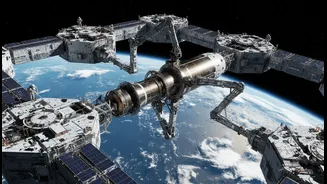
The potential of this approach is staggering. A single spent upper stage, which is essentially a giant, structurally sound metal cylinder, offers an immense internal volume. Once converted, it could become a commercial space station, a research laboratory, a greenhouse for growing food, or a manufacturing hub. Other potential uses include fuel depots for refueling satellites and other spacecraft, or even pressurized habitats for astronauts. ThinkOrbital, for instance, envisions its platforms being used for satellite servicing and processing space debris. By 'upcycling' this hardware, we get a ready-made, spacious orbital platform for a fraction of the cost of launching a dedicated module from Earth. The idea itself has been around since the 1960s, but only now is the robotic technology mature enough to make it a reality.
Fueling a Circular Economy in Orbit
This isn't just about saving money on one-off projects; it's about building a sustainable, circular economy in space. Turning space junk into infrastructure is the ultimate form of recycling. It drastically lowers the barrier to entry for building large-scale structures needed for future exploration. This approach could unlock a new wave of commercial activity, from in-space manufacturing of materials that are difficult to make in Earth's gravity to space tourism. The economic value comes primarily from the massive reduction in transportation costs—it's far cheaper to reuse the thousands of kilograms of aluminum already in orbit than to launch new material from the ground. This shift could be as fundamental to space as the move toward reusable rockets has been for the launch industry.
The Challenges Ahead
The path to a future of recycled space stations is not without its hurdles. The technical challenges are immense. Developing robots that can autonomously capture a large, potentially tumbling rocket body, and then reliably perform complex tasks like cutting and welding in the harsh environment of space, is a huge undertaking. These rocket stages were not designed to be captured, lacking docking points, and can be in an uncontrolled tumble. Beyond the engineering, there are legal and policy frameworks to consider. As of now, international treaties stipulate that a launched object remains the property of the launching nation, meaning you can't simply salvage a piece of foreign debris without permission. However, as demonstration missions continue to prove the viability of the technology, the incentive to solve these challenges will only grow stronger, paving the way for a truly sustainable presence in the cosmos.