



Choose a Dark Sky Destination
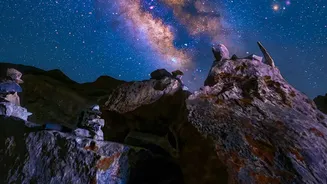
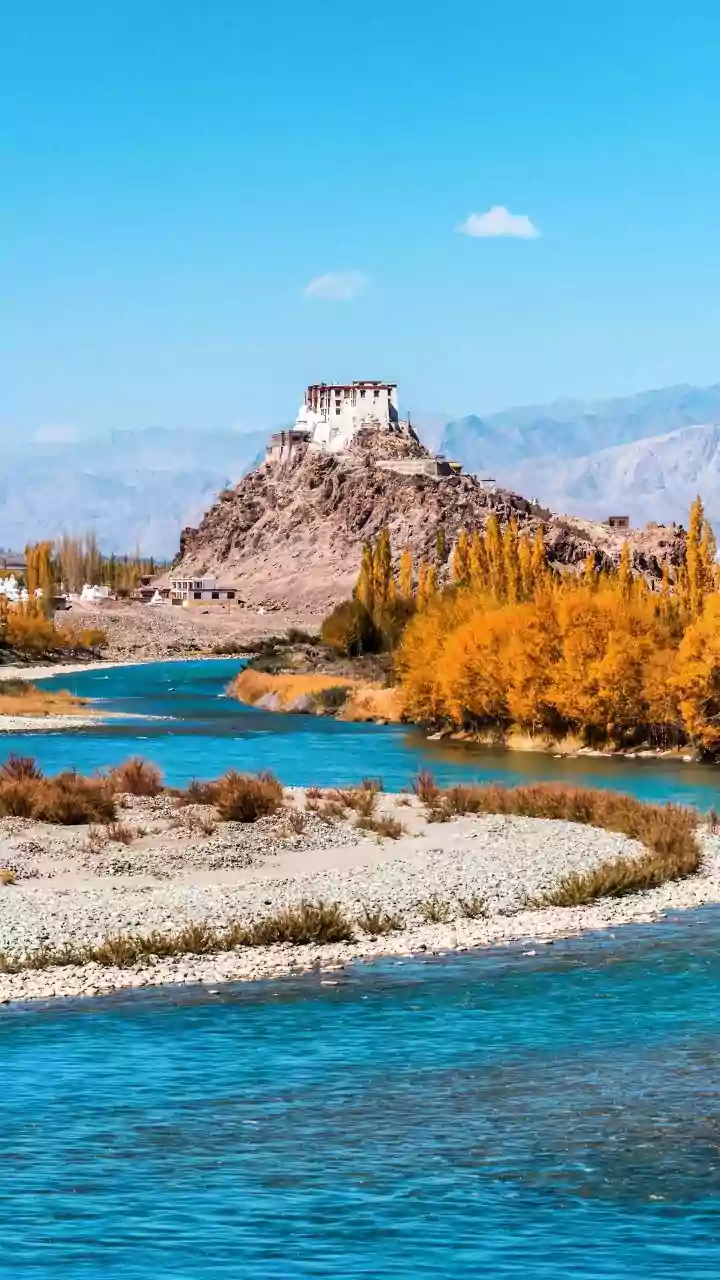
The first step is getting away from the light pollution that washes out the night sky in cities. India is blessed with several regions offering pristine dark skies. High-altitude cold deserts like Spiti Valley in Himachal Pradesh and Hanle in Ladakh are
considered the crown jewels of Indian stargazing. Hanle is home to India's first official Dark Sky Reserve, offering some of the clearest skies in Asia. For those who prefer avoiding extreme altitudes, the Rann of Kutch in Gujarat offers a surreal experience, with the vast salt desert reflecting starlight on moonless nights. Other excellent options include Coorg in Karnataka, Jaisalmer in Rajasthan, and hill stations like Kausani in Uttarakhand. Using a light pollution map online can help you find dark spots closer to home.
Time Your Trip with the Cosmos
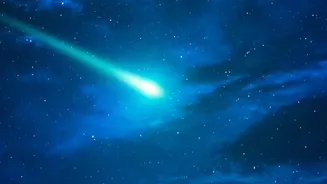
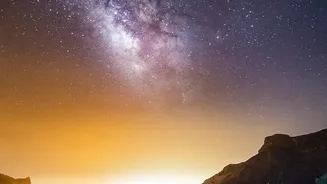
The success of a stargazing trip depends heavily on timing. The most crucial factor is the lunar cycle. Plan your holiday around the new moon, when the sky is at its darkest, making faint objects like the Milky Way visible. A full moon, while beautiful, acts like a giant floodlight, obscuring thousands of stars. The best seasons for stargazing in many parts of India, particularly the Himalayas and deserts, are typically between October and May, when skies are clearer and drier. Consider planning your trip to coincide with annual celestial events like the Perseids meteor shower in August or the Geminids in December for an even more spectacular show.
Plan for the Weather
Clear skies are non-negotiable for stargazing. While long-range weather forecasting is unreliable, you can increase your chances of clear nights by choosing destinations known for dry weather and a high number of clear days, like Ladakh or the deserts of Rajasthan. A few days before your trip, start checking detailed weather forecasts that include cloud cover predictions. High humidity and atmospheric haze can also reduce visibility, which is why high-altitude and desert locations are often superior. Always have a backup plan or activity in case the weather doesn't cooperate.
Solve the Transport and Accommodation Puzzle
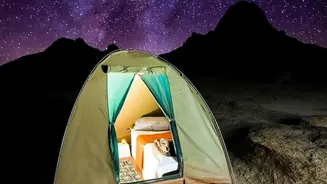
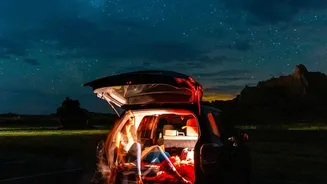
The best stargazing spots are, by definition, remote. Reaching them requires careful planning. For destinations like Ladakh and Spiti, this can involve flights to the nearest major airport (Leh or Kullu) followed by long road journeys. In these high-altitude regions, it's essential to schedule a couple of days to acclimatise. When it comes to accommodation, look for options situated away from town centres. Many regions now have homestays, eco-camps, and dedicated 'astro-resorts' that cater to stargazers. In places like the Rann of Kutch or Jaisalmer, desert camps offer an immersive experience under the stars. In Coorg, remote coffee estate homestays provide dark, quiet environments perfect for night-sky viewing. Some operators also offer guided stargazing sessions with telescopes provided.
Pack the Stargazing Essentials
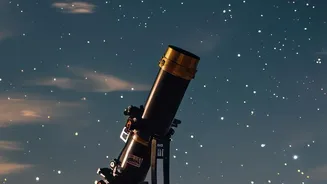
You don't need expensive equipment to enjoy the night sky, but a few key items will significantly enhance your experience. Binoculars are a fantastic starting point, often more useful for beginners than a telescope. A red-light torch or headlamp is essential, as it preserves your night vision—a regular white light can ruin it in seconds. Download a stargazing app on your phone to help identify constellations and planets. Remember that nights can get cold even in summer, so dress in warm layers. A comfortable reclining chair or a blanket will make craning your neck to look up for hours much more enjoyable. Finally, pack snacks and a thermos with a hot drink to stay warm and energised through the night.