

The Urban Marvel: Historic Centre of Kraków, Poland
Kraków’s historic heart was one of the very first sites inscribed on the inaugural UNESCO list in 1978, and it’s easy to see why. The entire Old Town (Stare Miasto) is a living museum of European history. Centered on Rynek Główny, Europe's largest medieval
market square, the district is a stunning ensemble of Gothic, Renaissance, and Baroque architecture. Wander through the grand Cloth Hall, marvel at the twin-towered St. Mary's Basilica, and explore the Wawel Royal Castle, the historical seat of Polish kings which overlooks the Vistula River. The site also includes the former Jewish district of Kazimierz, a vibrant area filled with synagogues and unique character. It’s an urban experience that feels both grand and intimately historic.
The Untamed Wonder: Plitvice Lakes National Park, Croatia
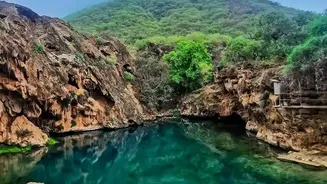
A world away from any city, Plitvice Lakes National Park is nature’s masterpiece. This stunning park, a UNESCO site since 1979, is a network of 16 terraced lakes connected by a series of spectacular waterfalls. The water’s color constantly shifts from turquoise to deep blue and green, depending on the light and mineral content. Wooden boardwalks snake across the crystal-clear water, allowing you to walk right alongside the cascades and through the lush surrounding forest of beech and fir trees. The constant sound of rushing water and the incredible beauty of the landscape make it one of Europe's most magical natural wonders. The lakes are the result of a continuous process of tufa formation, a unique type of limestone deposit, which makes the landscape an ever-evolving natural phenomenon.
The Fairy-Tale Capital: Historic Centre of Prague, Czech Republic
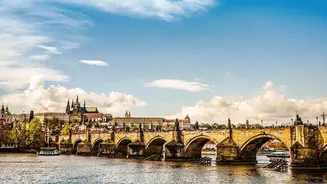
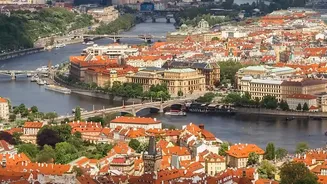
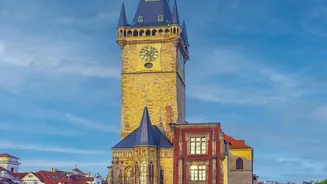
Often called the "City of a Hundred Spires," Prague’s historic center is an architectural dreamscape that has remained remarkably preserved for centuries. A UNESCO site since 1992, it spans the Old Town, the Lesser Town, and the New Town, showcasing an incredible collection of Gothic and Baroque buildings. Strolling across the iconic Charles Bridge at sunrise, watching the Astronomical Clock’s hourly show in the Old Town Square, and exploring the vast Prague Castle complex are quintessential experiences. The city's winding cobblestone streets and magnificent monuments create an atmosphere that feels straight out of a fairy tale, representing one of the most supreme examples of medieval urbanism in Europe.
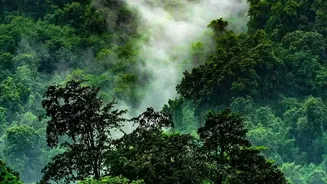
The Primeval Forest: Białowieża Forest, Poland & Belarus
Step into Europe’s last remaining primeval lowland forest. Białowieża Forest, a trans-boundary UNESCO site, is a vast, ancient woodland that has remained largely untouched for centuries. This is a genuinely wild place, characterized by ancient oaks, towering spruce trees, and an enormous amount of decaying wood that supports thousands of species of fungi and insects. The forest is most famous as the home of the European bison, the continent's heaviest land animal, which was successfully reintroduced here after being hunted to extinction in the wild. Exploring its protected trails offers a rare glimpse into what much of the European Plain looked like thousands of years ago.
The Pearl of the Danube: Budapest, Hungary
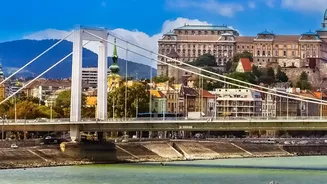
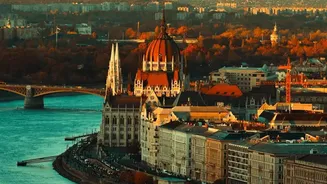
Budapest’s UNESCO site encompasses the stunning banks of the Danube River, the historic Buda Castle Quarter, and the elegant Andrássy Avenue. The city's panorama is a testament to its rich history, from Roman ruins to the grand architecture of the Austro-Hungarian Empire. On the Buda side, the Castle Hill offers panoramic views and is home to the Royal Palace and Matthias Church. Across the river in Pest, the magnificent Neo-Gothic Parliament building dominates the waterfront. The site also includes the Millennium Underground Railway, the first of its kind in continental Europe, showcasing the city's blend of ancient history and 19th-century innovation.
The Wild Delta: Danube Delta, Romania
Where the mighty Danube River meets the Black Sea, it forms Europe’s largest and best-preserved wetland, the Danube Delta. A UNESCO Biosphere Reserve, this labyrinth of water, reed beds, and islands is a paradise for wildlife. It’s one of the most important birdwatching destinations in the world, with over 300 species recorded, including massive colonies of pelicans and cormorants. Exploring the delta's channels by boat reveals a serene and wild landscape teeming with life, from rare fish species like sturgeon to mammals such as otters. It is a truly untamed corner of the continent, offering an experience of profound natural tranquility.