



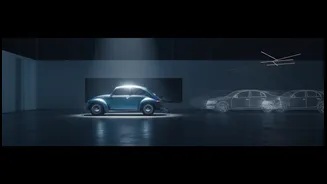


From 'Top of Volume' to 'Value Over Volume'
For decades, Volkswagen's ambition was to be the undisputed leader in sales volume, aiming to sell more cars than any other company on the planet. This new announcement marks a dramatic reversal of that philosophy. The company is now openly shifting its
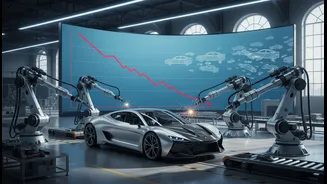
focus from 'volume to value,' a strategy that prioritizes profitability per vehicle over the sheer number of units sold. According to company leadership, the old model of simply growing sales to increase profits is no longer sustainable in an industry being reshaped by the costly transition to electric vehicles (EVs) and intense global competition. The new goal, under what the company calls its 'performance programs', is to achieve a higher return on sales, ensuring the financial muscle needed to invest in future technologies like electrification and software.
Taming the Complexity Beast
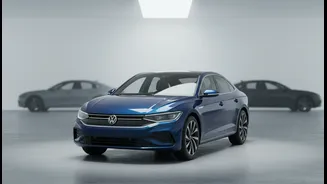
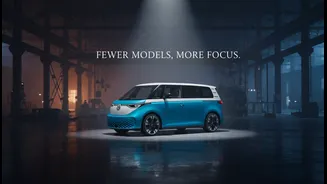
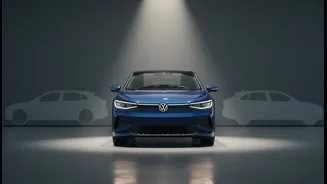
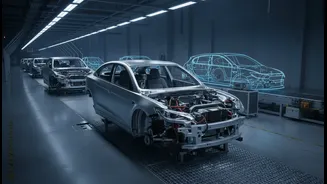
So how does Volkswagen plan to achieve this? The core of the strategy lies in a radical simplification of its operations. The company has announced plans to slash its global model portfolio by as much as 50% by 2030. This means many niche models will likely be discontinued. Furthermore, the complexity of the remaining cars will be drastically reduced, with plans to cut the number of available configurations—like different trims, engine options, and equipment packages—by up to 75%. For example, the electric ID.7 sedan already has 99% fewer configuration options than the previous generation of the Golf. This move is designed to dramatically lower manufacturing costs, speed up development times, and streamline the entire production process.
The Realities of a Changing Market
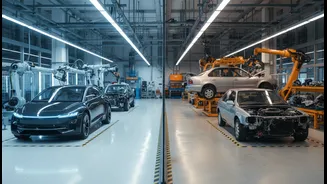
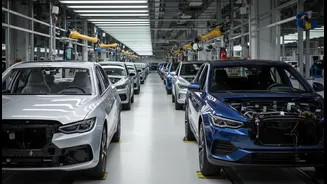
This major scale-back is a direct response to a tougher global market. Volkswagen has been facing significant headwinds, including fierce competition from Chinese automakers, the high costs of developing both combustion engine and electric vehicles simultaneously, and a slower-than-hoped-for adoption of EVs in some markets. The company’s annual production capacity, which was once geared for over 12 million vehicles, is being adjusted to a more realistic target of around 9 million. Most of these capacity reductions are slated for Europe, primarily affecting the Volkswagen and Audi brands. This structural reset aims to make the company more resilient and agile in a volatile economic and geopolitical environment.
What This Means for Car Buyers
For consumers, this strategic shift will likely have noticeable effects over the next few years. On one hand, the dizzying array of choices for a single model will disappear, making the car-buying process simpler. Volkswagen intends to focus on its most popular and profitable 'core models' like the Golf and Tiguan. On the other hand, this could lead to less variety in the market overall as niche vehicles are phased out. While the company hasn't specified which models will be cut, the focus will be on the 'most attractive market segments'. This move could also impact vehicle availability and pricing dynamics as the company adjusts its output to better match demand, potentially leading to tighter inventory for certain models. The ultimate goal for Volkswagen is to build more profitable cars, which could influence average vehicle prices in the long run.