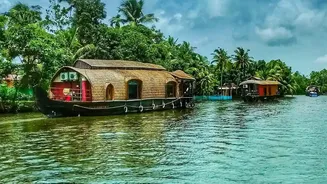




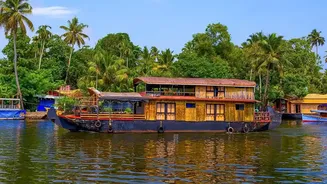
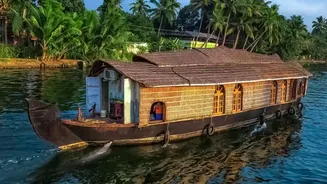
More Than Just Backwaters
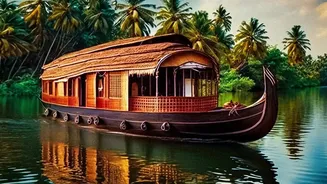
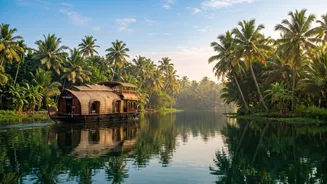
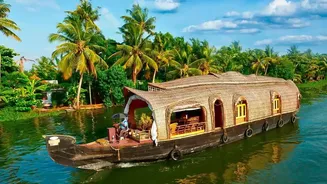
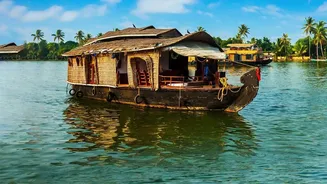
While the serene backwaters remain iconic, Kerala's sustainable vision is expanding across its diverse landscapes. The latest proof comes from major infrastructure approvals under the Swadesh Darshan 2.0 initiative. In Alappuzha, a Rs 93.17 crore project
aims to create a “Global Water Wonderland” focusing on integrated development of water attractions, beach enhancements, and advanced waste management systems. Simultaneously, a Rs 75.87 crore plan will rejuvenate the Malampuzha Garden in Palakkad, upgrading one of north Kerala's key attractions with themed recreational zones and sustainable infrastructure. These projects show a deliberate strategy to spread tourism's benefits beyond traditional hubs, ensuring that development is balanced and environmentally conscious across the state.
Community Empowerment Takes Center Stage
The core of Kerala’s strategy is its Responsible Tourism (RT) Mission, which ensures local communities are not just spectators but active stakeholders. Recent evidence shows this model is delivering tangible results. An initiative by Kudumbashree, the state's poverty alleviation program, is empowering locals to plan, manage, and own tourism projects in their own neighborhoods. Formally rolled out in Kuttanad in January 2025, the project helps communities offer homestays, local food, and cultural performances. The impact is measurable: in its initial phase, the program generated over Rs 17.5 lakh in direct income for local families, demonstrating a successful shift from communities being passive beneficiaries to active owners of the tourism experience.
A String of Global Accolades
The effectiveness of Kerala's approach is consistently validated on the world stage. In 2025, the state received a PATA Gold Award for its innovative and engaging social media campaign, which cleverly used humour to draw global attention to its attractions. This followed the 2023 Global Responsible Tourism Award, which recognized the state's success in linking women-led small and medium-sized enterprises to the tourism sector, particularly in local sourcing of crafts and food. These awards are not just for show; they serve as concrete evidence that Kerala's model of combining cultural authenticity with community benefits and modern marketing is setting a global benchmark.
New Initiatives for a Greener, Safer Experience
Kerala's model is not static; it continues to evolve with new, forward-thinking initiatives. A prime example is the 'Green Marshals' program, scheduled for a statewide rollout on October 9, 2026. This initiative will deploy trained personnel at tourist destinations to assist visitors, monitor safety, ensure cleanliness, and oversee environmental protection. With a focus on enhancing the experience for all visitors, particularly solo and women travellers, the program will create local jobs while ensuring destinations are well-maintained. Another key development is the K-Homes project, designed to increase accommodation by utilizing unoccupied homes near tourist spots, offering travellers a more immersive and authentic cultural stay.
The Challenges of Growth
Despite its many successes, the path of sustainable tourism is not without its challenges. The state's unique ecosystems, particularly in the Western Ghats, face pressure from tourism-related development. Research has highlighted concerns that unregulated construction and poor waste management in ecologically fragile areas can increase environmental risks. This underscores the critical need for a delicate balance between growth and conservation. The government's continued focus on decentralised planning, community participation, and data-driven policies shows an awareness of these challenges. The goal remains to shift from a purely growth-centric model to an ecology-centric one, ensuring that the natural assets that draw tourists are preserved for the future.