






First, What Is El Niño?
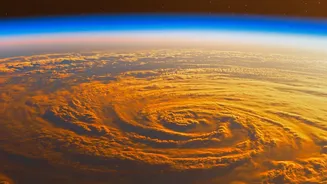
El Niño is a naturally occurring climate pattern characterized by the unusual warming of sea surface temperatures in the central and eastern Pacific Ocean. Though it happens far from India, this oceanic event has a powerful ripple effect on global atmospheric
circulation. This disruption can alter weather patterns worldwide, and one of its most well-known potential impacts is the weakening of India's vital southwest monsoon. Forecasts from global agencies like the World Meteorological Organization have warned of a strengthening El Niño in 2026, putting economies that depend on seasonal rains on high alert.
The Monsoon Connection Isn't Guaranteed
Historically, there is a strong correlation between El Niño years and below-normal monsoon rainfall in India. However, it's a probability, not a certainty. Not every El Niño leads to a drought, and some normal monsoon years have occurred despite its presence. The performance of the monsoon is a complex interplay of various climate factors. Another phenomenon, the Indian Ocean Dipole (IOD), can sometimes counteract El Niño's drying effect. A 'positive' IOD, with warmer waters in the western Indian Ocean, can bring more moisture towards India and potentially balance out a weaker monsoon. So, while an El Niño raises the risk, it doesn't automatically seal the monsoon's fate.
Agriculture Remains on the Frontline
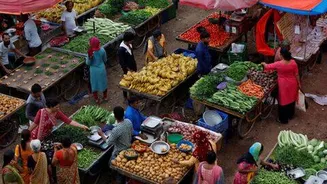
India's agricultural sector is the most direct channel through which a weak monsoon impacts the economy. A significant portion of the country's farmland is rain-fed, especially for the crucial kharif (summer) crops like rice, soybeans, and pulses. Deficient or poorly distributed rainfall can delay sowing, reduce crop yields, and shrink farm incomes. This hits rural households the hardest, where agriculture supports nearly half the workforce. Lower output also puts upward pressure on food prices, stoking inflation that affects every household budget in the country.
The Ripple Effect Across the Economy
The impact of a poor monsoon extends far beyond the farm. When rural incomes fall, so does demand for a host of industrial and consumer goods. Companies selling everything from tractors and two-wheelers to fast-moving consumer goods (FMCG) can see a dip in sales. Furthermore, a weak monsoon affects water reservoir levels, which are critical for drinking water, irrigation, and hydropower generation. Lower water levels can reduce electricity production from dams, forcing a greater reliance on more expensive coal-based power, especially as hotter, drier weather increases demand for cooling.
Why India's Economy Is More Resilient Today
While the monsoon's influence remains significant, India's economy is far less dependent on agriculture than it was a few decades ago. The share of agriculture in the nation's GDP has fallen considerably, from over 50% at independence to under 20% today, with the services and manufacturing sectors now forming the backbone of the economy. These sectors are less directly exposed to rainfall patterns. Moreover, increased irrigation coverage, better water management practices, and substantial government food grain reserves act as important buffers. These reserves can be used to stabilize food supplies and control prices, softening the blow of a poor harvest.