






From Isolation to Opportunity
For centuries, India's millions of artisans have been the custodians of priceless cultural heritage. Yet, many of these craftspeople live in rural and semi-urban areas, often disconnected from major economic centres due to poor infrastructure. Bad roads,
infrequent public transport, and the sheer distance to markets have traditionally isolated these communities, making it difficult for them to sell their goods, source raw materials, and earn a fair price for their labour. This 'last-mile' gap means that while their products—from intricate pottery to handwoven textiles—are in demand, the creators themselves remain locked in a cycle of low income. Improved transport networks act as the first and most fundamental bridge, transforming isolated villages into accessible destinations.
Boosting Tourism and Direct Sales
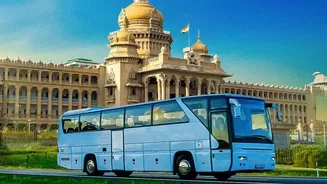
When a village becomes easier to reach, it naturally attracts more visitors. A recent report highlighted that a major build-out in connectivity is bringing more destinations into wider travel circuits across India. For cultural tourists seeking authentic experiences, the journey to an artisan's workshop is part of the appeal. Better all-weather roads mean that travellers, both domestic and international, can venture beyond the usual tourist spots to discover and purchase crafts directly from the source. This direct interaction is invaluable. It not only ensures that artisans retain a much higher portion of the profit, which would otherwise be lost to intermediaries, but it also allows them to tell the story behind their craft, adding value and fostering a deeper appreciation in the buyer. More footfall directly translates to more sales and a more stable income for artisan families.
Strengthening Urban and Global Supply Chains
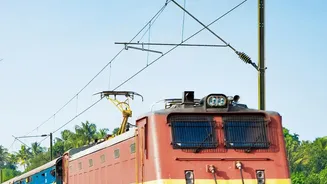
Better transport doesn't just bring customers to the village; it brings the artisans' products to the world. For those who supply to urban retailers or export their goods, efficient logistics are non-negotiable. Improved road and rail networks reduce transit times and lower transportation costs, making their products more competitive in city markets and abroad. This allows them to transport goods faster and more safely, reducing the risk of damage to delicate handmade items. Government initiatives that support marketing and provide transport subsidies further help bridge the gap between rural producers and urban consumers. This connection enables artisans to participate in national and international exhibitions and trade fairs, which are critical for visibility and securing bulk orders.
The Lifeline for E-commerce
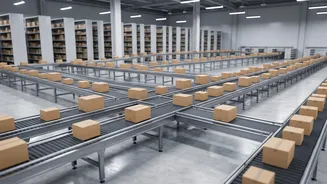
In the digital age, e-commerce platforms have emerged as a powerful tool for artisans to reach a global audience. However, the success of an online business hinges entirely on the ability to physically deliver the product. Without reliable transport infrastructure, a sale made online is just a promise. Smooth logistics are the backbone of e-commerce, enabling artisans to ship their products from a remote workshop to a customer's doorstep, whether in Mumbai or Milan. While digital literacy remains a challenge, a combination of government programmes and private platforms are helping artisans navigate online selling. As India's digital transformation continues, the fusion of better roads and digital access will be key to unlocking the full potential of the country's vast artisan economy.
More Than Just Roads
The impact of improved transport is part of a larger ecosystem of empowerment. Government schemes like the National Handicraft Development Programme (NHDP) and PM Vishwakarma provide artisans with not only market access but also skill training, toolkit incentives, and subsidised credit. These initiatives aim to integrate artisans into the formal economy, helping them form clusters and producer companies to increase their collective bargaining power. By creating common facility centres and raw material banks, these programmes address systemic challenges. When combined with better roads, this holistic support system creates a powerful engine for inclusive growth, ensuring that artisans are not just surviving but thriving, and that their precious skills are preserved for generations to come.