





A Leap in AI and Interaction
The most significant recent upgrade isn't just about movement; it's about understanding. Companies are integrating sophisticated AI models, sometimes called vision-language-action (VLA) models, into their humanoid robots. These systems allow robots to perceive
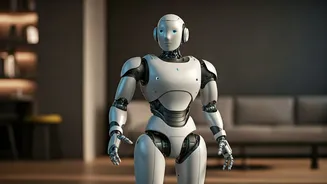
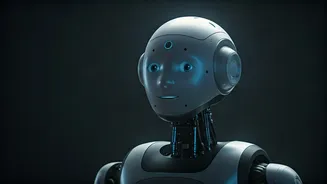
their environment, comprehend complex spoken commands, and reason through multi-step tasks. For a companion robot, this means moving beyond scripted responses. New models from companies like Google and various startups enable robots to analyze a user's tone of voice and facial expressions to gauge their mood and respond with what appears to be genuine empathy. This shift from task-based operation to context-aware interaction is what makes these new robots feel so fundamentally different and more human-like.
The Race to Build a Better Friend
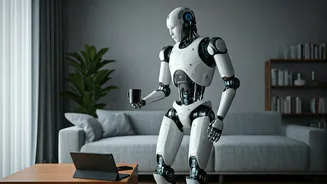
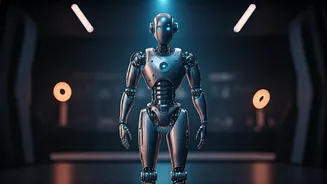
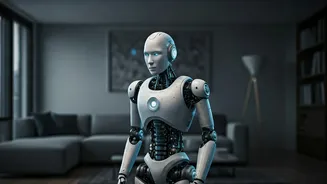
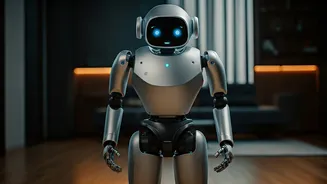
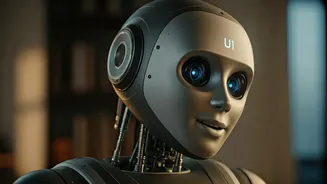
Several key players are pushing the boundaries of what's possible. Figure AI, which has partnered with BMW for industrial applications, is also developing its Figure 03 humanoid for life inside the home, envisioning it taking care of chores like laundry and dishes. The robot features improved hands with tactile sensors and audio functions for speech-to-speech communication. Similarly, China's UBTech recently launched its U1 series, a hyper-realistic robot designed specifically for emotional companionship. Marketed as an antidote to loneliness, the U1 is designed to be a loyal companion that remembers personal details and adapts its personality over time, with all data processed on the device to ensure privacy. Meanwhile, companies like Sanctuary AI are focused on creating human-like intelligence, with its Phoenix robots getting continuous upgrades to improve data capture and person-robot interaction.
More Than Metal and Wires
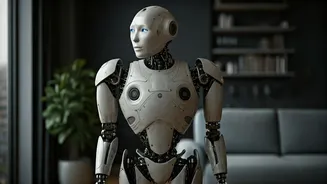
The pursuit of a human-like robot isn't just a technical challenge; it's a deeply psychological one. The goal for many is to create machines that can seamlessly integrate into our lives and combat a growing loneliness epidemic. Proponents argue that for an elderly person living alone or someone experiencing social isolation, a non-judgmental AI companion with infinite patience could provide real emotional and psychological benefits. These robots are being designed to offer companionship and support, reminding users to take medication or simply engaging in conversation. However, this raises complex ethical questions. Developers must navigate the "uncanny valley," where a robot that is almost—but not quite—human-like can cause feelings of unease or revulsion.
The Unsettling Questions of AI Friendship
As these robots become more sophisticated, the line between a helpful tool and a deceptive friend begins to blur. Critics raise valid concerns about the potential for harmful emotional attachment to a machine that cannot truly feel. There are also significant worries about data privacy and the potential for a robot companion to become a surveillance device in the home. While companies like UBTech emphasize on-device processing to protect user privacy, the risk of data breaches or misuse remains a core ethical hurdle for the industry. Furthermore, there is the debate over whether relying on robots for companionship could lead to a decline in genuine human-to-human interaction, further isolating the very people these machines are intended to help.