



Meet Your Unwanted Pantry Guests
Finding insects in your food is unsettling, but it's not a sign of a dirty home. Most pantry pests are brought in from the outside, often as stowaways in packaged goods from the store. The most common culprits include Indian meal moths and various types
of beetles, such as flour beetles and rice weevils. The moths are often noticed as small adults flying around the kitchen, but the real damage is done by their larvae, which spin webs in grains, nuts, and cereals. Beetles, on the other hand, are tiny, dark insects that can live and reproduce inside whole grains, often going unnoticed until they’ve multiplied. These pests are attracted to all sorts of dry goods, including flour, pasta, spices, pet food, and even chocolate.
The Truth About Viral 'Hacks'
When faced with a pest problem, it’s tempting to try a simple trick you saw online. One of the most popular is using bay leaves as a repellent. While bay leaves do contain a compound that many insects find unpleasant, they act as a mild deterrent at best, not a solution to an active infestation. You might place them in containers of flour or rice, and they could make those specific spots less appealing, but this won't eliminate a problem that has already started. Other 'hacks,' like using vinegar solutions, are more effective for cleaning shelves after pests have been removed than for killing the bugs themselves. These quick fixes fail because they don't address the root causes: how pests get to the food and where they breed. Relying on them is like trying to fix a leaky pipe with a small bandage.
The Ultimate Defence: Airtight Containers
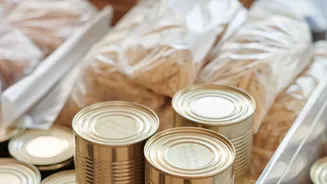
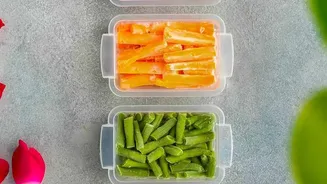
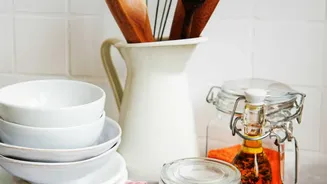
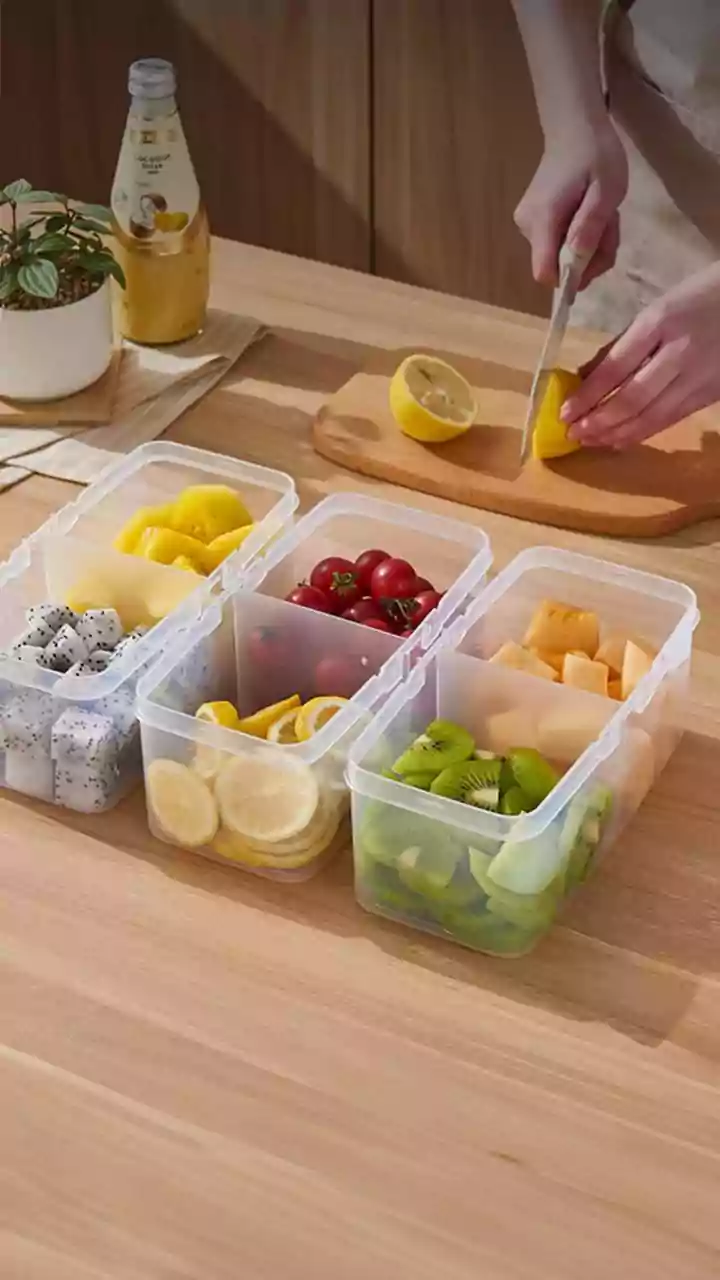
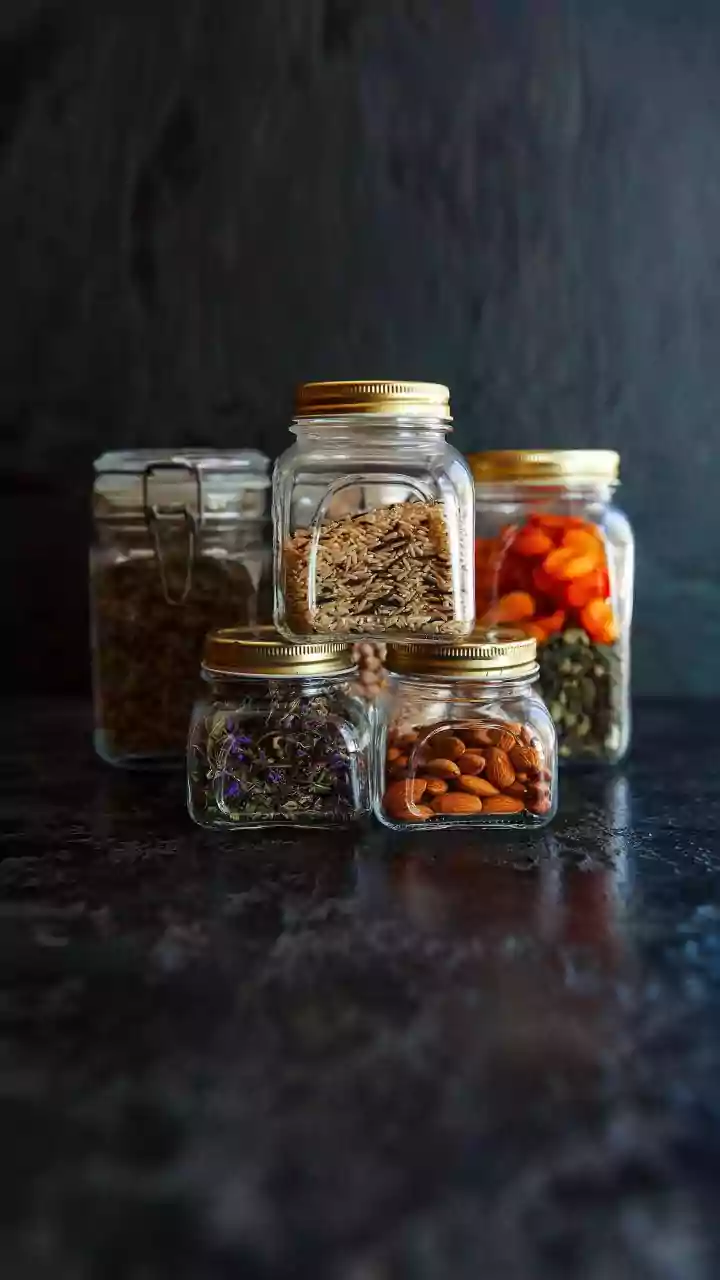
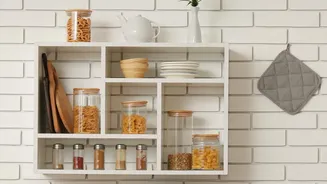
The single most effective strategy against pantry pests is creating an impenetrable barrier. This is where airtight containers come in. Pests often chew through original packaging like paper, cardboard, and thin plastic. Decanting your dry goods into containers made of glass, metal, or thick, high-quality plastic with secure, sealing lids is the best defence. This practice achieves two critical goals. First, it prevents pests from accessing your food in the first place. Second, if you accidentally bring home a product that is already contaminated, the infestation will be confined to that single container, preventing it from spreading throughout your entire pantry. It’s a simple change that transforms your pantry from a vulnerable buffet into a secure fortress.
The Power of a Clean, Dry Space
Pests thrive on opportunity, and a clean pantry offers very few. Crumbs, spilled flour, or sticky residues are open invitations for insects looking for a meal. Regular cleaning is a non-negotiable part of good storage hygiene. This means more than just a quick wipe-down. Periodically, empty your shelves completely and vacuum up any debris, paying special attention to corners, cracks, and shelf-pin holes where eggs and larvae can hide. After vacuuming, wipe the surfaces with soap and water. Keeping the pantry dry is also crucial, as many pests are attracted to humidity. A clean, dry, and organised space is not only visually appealing but is also far less hospitable to unwanted critters.
Your Simple System for Success
Preventing pantry pests doesn't require complicated routines, just consistency. Adopt a 'first in, first out' system: rotate older items to the front so they get used first, reducing the time products sit on your shelves. Before putting new groceries away, inspect the packaging for any signs of damage like tiny holes. Make it a habit to decant susceptible items like flour, grains, and cereals into your airtight containers immediately. Finally, schedule a quick pantry clean-out every few months to catch spills and check for expired goods. This simple cycle of inspecting, decanting, rotating, and cleaning is far more powerful than any viral hack and provides lasting peace of mind.