

The Deception of Dry Topsoil
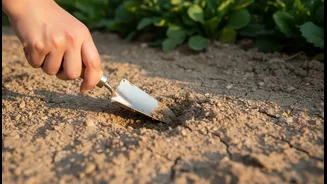
The surface layer of soil is the first to be exposed to air and sun, causing it to dry out much faster than the soil just a few inches below. This can create a deceptive crust that looks thirsty, while the root zone underneath remains perfectly moist
or even waterlogged. Relying on the appearance of the topsoil alone is one of the quickest routes to overwatering your plants, a condition that is often more dangerous than underwatering.
The Hidden Dangers of Overwatering
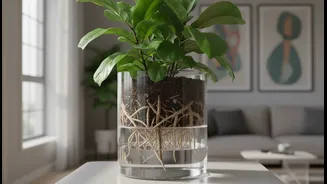
Overwatering is arguably the most common cause of houseplant demise. When soil is consistently saturated, the air pockets that roots need to breathe are filled with water. This oxygen deprivation leads to a condition called root rot, where roots become mushy, brown, and unable to absorb water or nutrients. Ironically, a plant suffering from root rot will often look wilted, prompting an owner to water it even more, which accelerates its decline. Excess moisture also creates a breeding ground for fungal diseases and pests like fungus gnats.
How to Properly Check If a Plant Is Thirsty
Instead of looking, you need to feel. The most reliable method is the finger test: insert your finger into the soil up to your first or second knuckle. If the soil feels dry at that depth, it's time to water. If you feel moisture, it's best to wait and check again in a day or two. For larger pots, a simple wooden skewer or chopstick can be used like a dipstick; insert it deep into the pot, pull it out, and examine it. If it comes out clean and dry, it's watering time. If it has moist soil clinging to it, hold off. Another method is the “lift test.” Get a feel for how heavy the pot is right after a thorough watering and how light it is when completely dry. Over time, you'll be able to tell if it needs water just by its weight.
Not All Plants Are Created Equal
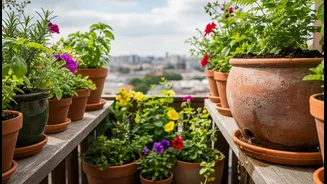
It's crucial to remember that different plants have vastly different watering needs. A succulent or cactus, for instance, prefers its soil to dry out completely between waterings, while a tropical fern enjoys consistently moist (but not soggy) conditions. Factors like pot material—terracotta dries out faster than plastic—and environmental conditions like sunlight, temperature, and humidity also play a significant role. Watering every plant on a fixed schedule is a recipe for failure; instead, get into the habit of checking each plant individually.
The Right Way to Water
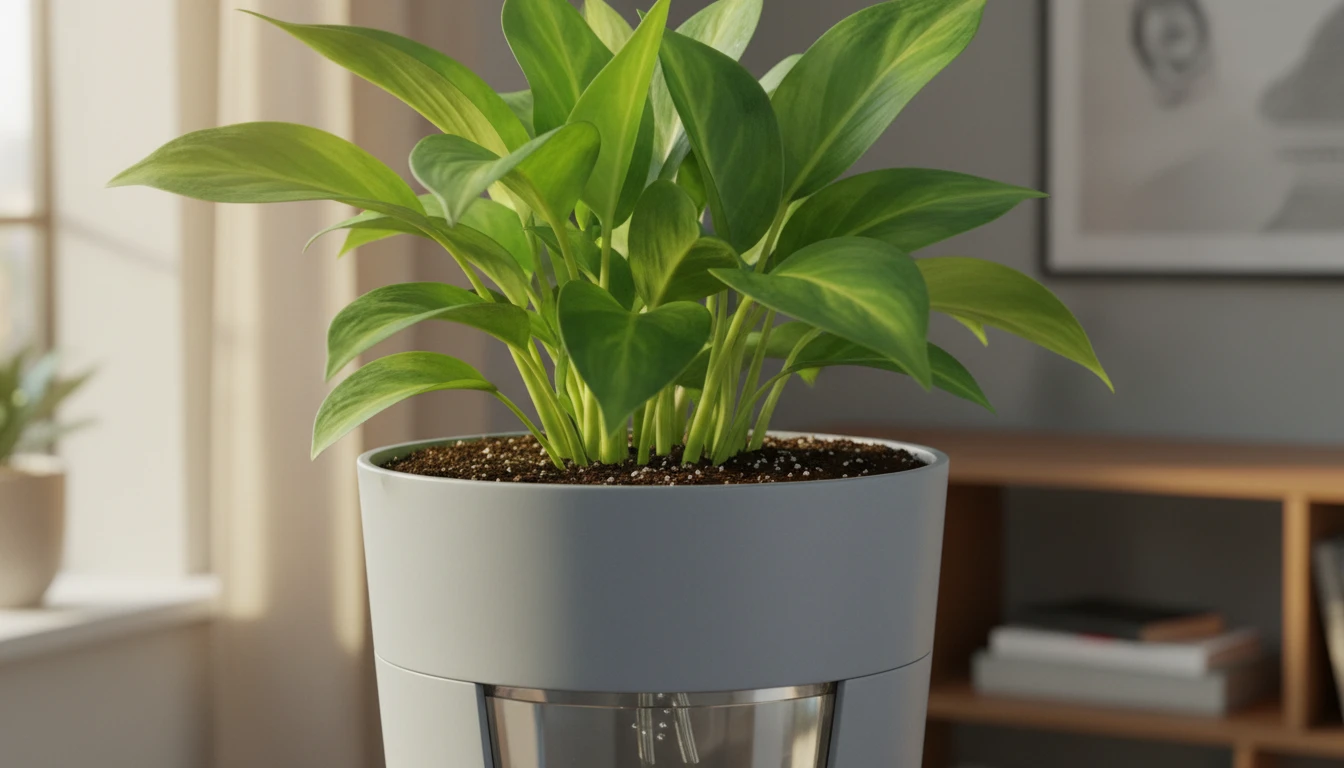
When you have determined that your plant is indeed thirsty, water it thoroughly, not sparingly. The goal is to moisten the entire root ball. Pour water slowly and evenly over the soil surface until it begins to drain freely from the bottom of the pot. This deep watering encourages strong, deep root growth. After watering, be sure to empty any excess water from the saucer or cachepot. Allowing a plant to sit in standing water is a direct invitation for root rot to set in.