






The Allure of the Low-Cost Ticket
For years, the dream of affordable air travel for every Indian has driven national aviation policy. Schemes like UDAN (Ude Desh ka Aam Nagrik) were launched with the noble goal of connecting India’s tier-2 and tier-3 cities, making it possible to fly
between towns that were previously hours apart by road or rail. For travellers, the promise of a fare capped at a few thousand rupees is incredibly attractive. For regional businesses, it represents a gateway to new markets, and for the towns themselves, it’s a symbol of economic progress and inclusion. This focus on affordability has successfully expanded India's aviation map, adding dozens of new airports and routes. However, this single-minded pursuit of low fares often obscures a more complex and precarious reality.
The Hard Math of Keeping Planes in the Air
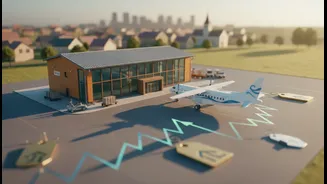
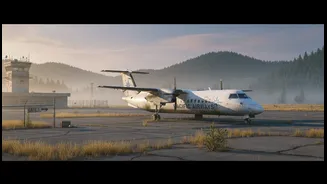
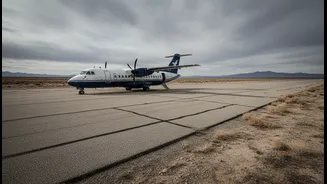
An airline's decision to operate a route is not just about filling seats; it's about route viability. A flight is a high-cost operation, involving fuel, crew salaries, maintenance, airport fees, and navigation charges. A plane can be full, but if the revenue from tickets doesn't cover these substantial costs, the route is losing money. Smaller aircraft used on regional routes, like turboprops, have higher per-seat costs and are less forgiving of low passenger numbers. Government subsidies, or Viability Gap Funding (VGF), are designed to bridge this gap for an initial period, typically three years. The hope is that by the end of this period, the route will have generated enough consistent demand to become self-sustaining. Unfortunately, that often doesn't happen.
When Routes Fail: The Domino Effect
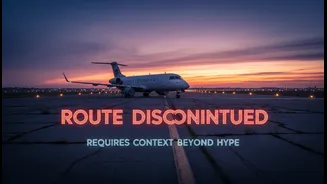
The real problem emerges when the subsidies run out. Recent data shows a troubling trend: nearly half of all routes launched under the UDAN scheme have been discontinued. Airlines, facing the harsh economic reality, are forced to pull out from commercially unviable sectors. The consequences are felt by everyone. Travellers who had come to rely on the service are left stranded. Local businesses that may have invested in expansion, encouraged by the new connectivity, face a sudden disruption. Hotels see fewer tourists, and the seamless movement of goods is halted. This cycle of launching and then shuttering routes creates uncertainty and erodes confidence in regional aviation, ultimately harming the very economies the scheme was meant to uplift.
Beyond the Fare: A New Definition of Success
It is time for a crucial mindset shift for all stakeholders. Success in regional aviation cannot be measured solely by the number of low-cost tickets sold. The true measure of success is reliability and sustainability. Aviation planners must move beyond a purely route-based subsidy model and focus on creating a supportive ecosystem. This includes ensuring airports are fully equipped with essentials like night landing facilities and modern navigation systems to reduce cancellations and improve operational efficiency. For travellers and businesses, it means understanding that a slightly higher, but stable, fare on a reliable airline is far more valuable than a rock-bottom price on a service that might not exist in six months. Intelligent pricing that balances profitability with stimulating demand is key.
A Shared Responsibility for Sustainable Skies
Building a robust regional air network is a shared responsibility. Aviation planners need to conduct better due diligence on demand before awarding routes and consider longer, more flexible subsidy periods for routes that show promise. Regional businesses can play a part by providing airlines with data on potential passenger and cargo volumes, helping them make more informed decisions. Finally, travellers must recalibrate their expectations. While everyone loves a bargain, the frantic chase for the absolute cheapest fare can inadvertently support an unsustainable model. Supporting airlines that commit to a region for the long haul, even if their fares are not the absolute lowest, is an investment in the consistent connectivity that benefits the entire community. True progress is not a temporary cheap flight; it's a permanent and reliable bridge to opportunity.