






What the Inspections Uncovered
As India gears up for the festive season, food safety authorities have ramped up their surveillance. Provisional data for the 2025-26 fiscal year paints a concerning picture. According to the Health Ministry, authorities conducted a record 5,20,566 inspections
and analysed over 2,23,808 food samples. Of these, a staggering 40,023 samples were found to be non-conforming, meaning they failed to meet prescribed safety standards. This represents nearly one in every five food samples tested. In response to these findings and the approaching festival rush for Navratri and Diwali, the Food Safety and Standards Authority of India (FSSAI) has directed all states to intensify inspections, particularly targeting milk products, sweets, edible oils, and snacks. The enforcement drives have already resulted in the seizure of thousands of kilograms of suspected adulterated goods, especially in and around the national capital region.
The Problem with Misleading Labels
One of the key failures identified in the nationwide crackdown is improper and misleading labelling. This is not just about small print; it's a significant consumer safety issue. Violations range from missing 'best before' dates and incomplete ingredient lists to outright fraudulent branding. This problem is part of a wider debate in India about food information transparency. For years, there has been a push for clearer front-of-pack warning labels to indicate high levels of sugar, salt, and fat, a measure that has faced resistance from industry. For consumers, poor labelling makes it difficult to assess the quality and safety of a product. Without accurate information, it's impossible to know if a product contains potential allergens, has expired, or is what it claims to be, putting public health at risk.
Adulteration and Unsafe Products
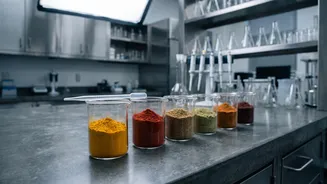
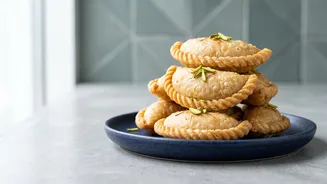
Beyond labelling, a more direct threat is the sale of adulterated and unsafe food products. The festive season sees a surge in demand for ingredients like khoya (milk solids), paneer, and ghee, making them prime targets for adulteration. Common adulterants include starch mixed into khoya to increase its weight, non-permitted and often toxic dyes used to make sweets look more vibrant, and cheaper oils mixed into ghee. Recent raids have uncovered and destroyed thousands of kilograms of adulterated khoya and paneer. These adulterants are not harmless fillers; they can cause a range of health issues, from digestive problems to more severe long-term effects. The use of synthetic colours and contaminated raw materials poses a serious risk that turns festive treats into a gamble with one's health.
How to Protect Yourself This Festive Season
While regulators are increasing their vigilance, consumers remain the last line of defence. Being an informed buyer is crucial to ensuring your family's safety. First, always try to purchase food items from reputable and licensed vendors; look for the FSSAI registration number on the premises or packaging. Be wary of sweets that appear unnaturally bright, as this can be a sign of non-permitted chemical dyes. Whenever possible, opt for packaged goods over loose items, as they are less susceptible to contamination and should have clear labelling with manufacturing and expiry dates. Trust your senses—if a product smells off, has an unusual texture, or tastes strange, it is best to avoid it. Simple home tests can also help detect common adulterants; for example, a few drops of iodine solution will turn khoya or milk blue if it contains starch.