




The Paradise Full Sign
From the fragile ecosystems of the Great Barrier Reef to the sacred stones of Uluru, Australia is home to wonders that attract millions. International tourism is roaring back, with visitor numbers in 2026 approaching and, in some cases, exceeding pre-pandemic
levels. This boom, while great for the economy, is putting immense pressure on the very attractions people fly across the world to see. The result is a phenomenon travelers know all too well: overtourism. In response, authorities are increasingly turning to 'automatic rejection' methods. This includes hard-to-get permits, lotteries for hiking trails, seasonal closures, and capped visitor numbers that turn trip planning into a high-stakes gamble. While these measures protect the sites, they can leave tourists feeling disappointed and locked out of experiences they've dreamt of for years.
The Problem with 'No'
Simply saying 'no' to visitors is a blunt instrument. It creates a system where only the quickest, most tech-savvy, or those with the flexibility to plan months in advance succeed. A recent US study on national park booking systems found that these first-come, first-served online races often favour higher-income households who can plan further ahead. This approach risks turning our shared national treasures into exclusive clubs. It can also harm local economies that depend on a steady stream of visitors. Rather than a hard barrier, what if we managed the flow? The core issue is often not the total number of visitors in a year, but the concentration of everyone at the same place at the same time. The answer isn't necessarily fewer people, but smarter timing.
What Better Timing Looks Like
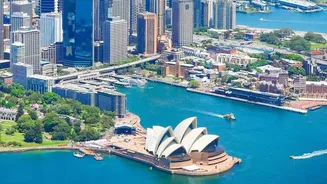
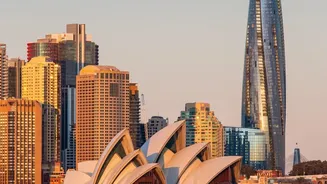
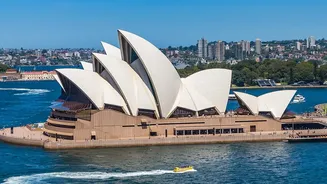
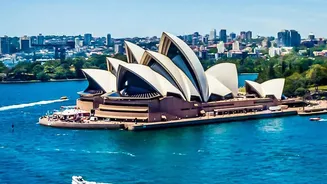
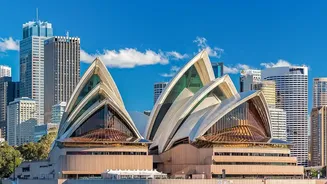
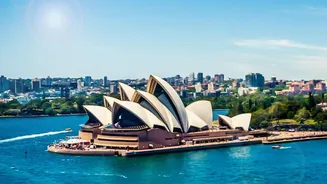
A more sophisticated approach is already being explored. Timed-entry systems, like those used in some NSW National Parks, are a prime example. Instead of a blanket 'no', they say 'yes, at this specific time'. This smooths out visitor numbers throughout the day, reducing congestion at key lookout points and on popular trails. For example, booking a tour of the Sydney Opera House is best done in the morning to avoid peak times and see more of the venue before rehearsals begin. Similarly, shuttle bus services at Uluru allow visitors to explore the site at their own pace without contributing to car park congestion. These systems turn a crowd into a manageable queue, improving the experience for everyone. This strategy also includes encouraging off-peak travel, shifting demand from school holidays to quieter, and often more pleasant, times of the year.
A Win-Win for Tourists and Treasures
Adopting better timing isn't just about crowd control; it’s about enhancing the travel experience and ensuring sustainability. When visitors aren't jostling for a photo, they can connect more deeply with a place. A calmer, more organised visit to the Great Barrier Reef with a high-standard tour operator not only provides a better experience but also reinforces the importance of conservation. Spreading visitors out across the day and year reduces environmental wear and tear. It eases pressure on infrastructure and creates a more pleasant environment for staff and local residents. Furthermore, it creates a more resilient tourism model that can handle the growing interest in Australia as a top-tier destination without sacrificing the quality of the experience or the health of the sites themselves.