
A Critical Arctic Anchor
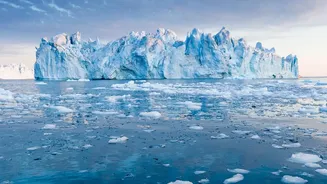
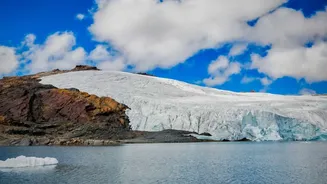
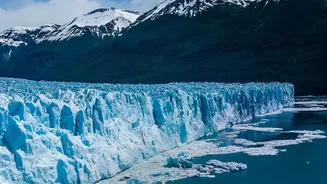
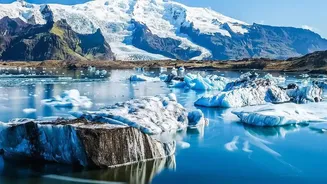
Tucked away in the far northwest of Greenland, the Petermann Glacier is one of the largest and most significant glaciers in the Northern Hemisphere. It serves as a massive river of ice, connecting the vast Greenlandic ice sheet directly to the Arctic
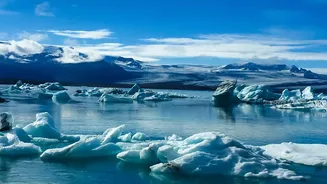
Ocean. What makes Petermann particularly important is its enormous floating ice tongue—a thick platform of ice that juts out from the land and floats on the ocean, historically measuring over 70 kilometers long. This ice tongue acts like a cork in a bottle, providing a natural buttress that slows the flow of the glacier behind it from sliding into the sea. The stability of this tongue is a crucial barometer for the health of the Arctic and the global climate system.
What the Satellites Revealed
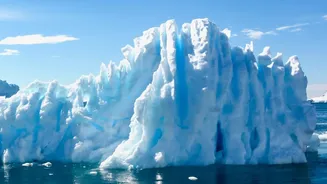
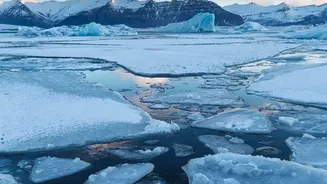
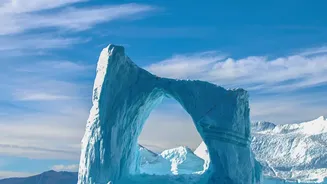
On August 4, 2026, satellite data confirmed what scientists had been anticipating for years. A colossal chunk of ice, covering approximately 76.4 square kilometers—an area often compared to the size of Manhattan—broke away from the glacier's ice tongue. This 'calving' event was the largest loss of floating ice from Petermann since 2012 and the most significant such event in the entire Arctic since 2020. The newly formed iceberg, or 'ice island', is estimated to be up to 150 meters thick. Data from the European Space Agency's Copernicus Sentinel-1 mission was instrumental, allowing researchers to monitor the growing fractures and signs of instability that preceded the break.
The Warm Ocean's Assault
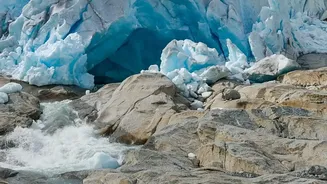
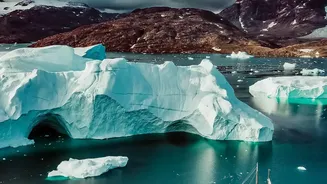
This dramatic retreat isn't happening in a vacuum. It is a stark symptom of a warming planet. One of the primary culprits is the rising temperature of the ocean water that flows beneath the ice tongue. Earlier studies have shown that warmer ocean tides are melting the glacier from below, carving out massive cavities at the grounding line—the critical point where the glacier lifts off the land and begins to float. This underwater melting destabilizes the entire structure, making it far more susceptible to breaking apart. The process creates a dangerous feedback loop: as the ocean warms, it melts more ice, which can contribute to sea-level rise, allowing even more warm water to reach the base of the glaciers.
From Greenland to Global Shorelines
While the immediate calving of a floating iceberg does not instantly raise global sea levels—much like an ice cube melting in a full glass of water—the long-term implications are profound. The loss of the ice tongue reduces the buttressing effect that holds back the land-based glacier. This can accelerate the flow of ice from the Greenland Ice Sheet into the ocean, which does contribute directly to sea-level rise. The Greenland Ice Sheet holds enough frozen water to raise global sea levels by several meters if it were to melt completely. Events like the Petermann calving are a clear and present sign that this massive ice reservoir is becoming less stable. Scientists warn that two more large ice islands are expected to detach from Petermann in the near future.
Why India Should Watch Closely
For India, an event happening thousands of kilometers away in the Arctic may seem abstract, but its consequences are very real. With a coastline stretching over 7,500 kilometers and home to densely populated cities like Mumbai, Kolkata, and Chennai, India is acutely vulnerable to sea-level rise. Even modest increases in the global mean sea level can lead to more frequent and severe coastal flooding, erosion, and saltwater intrusion into freshwater sources, threatening millions of lives and livelihoods. Furthermore, drastic changes in the Arctic can disrupt global weather patterns, potentially affecting the delicate balance of the Indian monsoon, which is the lifeblood of the nation's agriculture and economy. The melting at Petermann is another data point in a global trend that directly impacts India's environmental and economic security.