



A Snack's Official Recognition
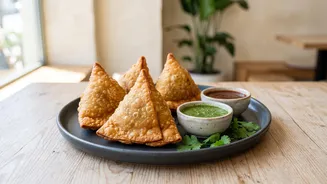
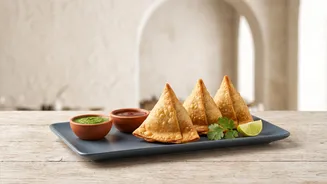
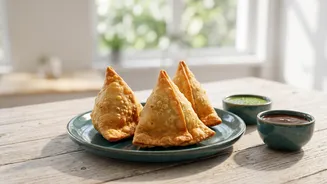
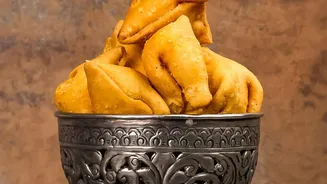
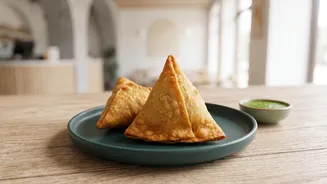
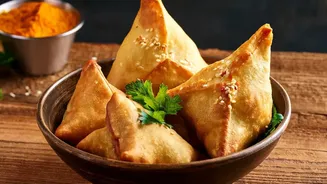
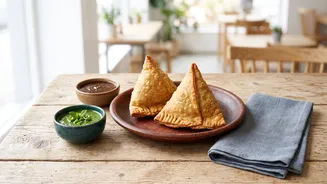
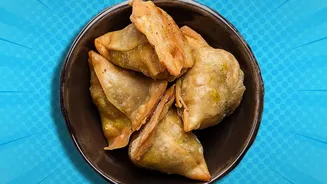
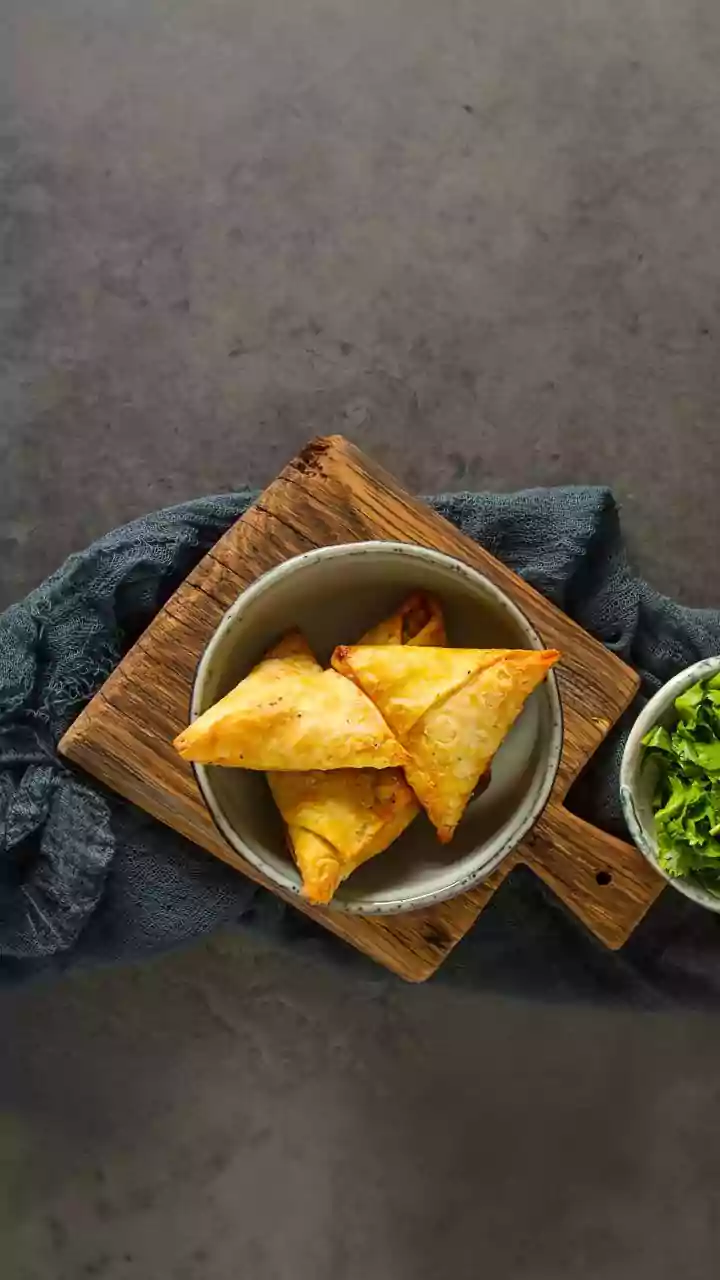
Prayagraj’s deep-fried, triangle-shaped delight has been officially named its signature dish under the Uttar Pradesh government’s ‘One District, One Dish’ (ODOD) initiative. This program, inspired by the success of the broader 'One District, One Product'
(ODOP) scheme, aims to identify and promote a unique culinary specialty from each of the state's 75 districts. The goal is to transform local delicacies into globally recognized brands, thereby encouraging food entrepreneurship and boosting local economies. After extensive consultations with culinary experts, historians, and local stakeholders, the samosa was chosen as the dish that best represents Prayagraj's everyday food culture, beating other local favorites like kachori and imarti. This decision honors a snack that cuts across all social and economic lines, enjoyed by everyone from students to shopkeepers.
What Makes Prayagraj's Samosa Special?
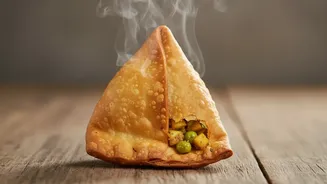
While the potato-filled samosa is a national staple, Prayagraj offers its own unique variations that have cemented its local fame. Beyond the classic aloo version, the city is known for its distinct dry masala samosas. One of the most legendary examples comes from Hari Ram & Sons, an establishment serving the city since 1890. Their iconic samosas are filled not with the typical potato mixture, but with a flavourful dry blend of lentils and hand-ground spices, all fried to a perfect crisp in pure desi ghee. This heritage and variety are central to why the samosa was selected; it’s a snack with a deep-rooted history and a special place in the city's identity, enjoyed with morning chai or as an evening treat.
From Street Food to Branded Enterprise
The ODOD initiative is more than just a title; it provides concrete support to formalize and grow the local industry. The government is rolling out a financial assistance scheme to help entrepreneurs establish new units or expand their existing businesses. This includes subsidies on project costs and easier access to bank loans. For example, projects up to ₹25 lakh are eligible for a 25% subsidy. The support extends to a wide range of businesses, with officials estimating that around 800 manufacturers, 400 street vendors, 300 restaurants, and several self-help groups are associated with the trade in Prayagraj. This push is designed to improve everything from production quality and hygiene standards to packaging and marketing, helping these local businesses reach a wider audience.
The Tangible Impact for Local Vendors
For the thousands of people whose livelihoods depend on making and selling samosas, this scheme offers a pathway to greater stability and growth. The initiative aims to generate over 1,500 new employment opportunities in Prayagraj alone. To make the scheme accessible, there is no minimum educational qualification required to apply, and the minimum age is 18. Furthermore, the mandatory financial contribution from the beneficiary is kept low—10% for the general category and just 5% for applicants from SC/ST, OBC, minority communities, women, and persons with disabilities. This structured support is aimed at empowering small, traditional vendors to scale their operations, formalize their business, and ultimately increase their income by strengthening their position in the market.
A Blueprint for India's Local Treasures
The promotion of Prayagraj's samosa is a perfect case study for a much larger national vision. It reflects the core idea of the 'Aatmanirbhar Bharat' and 'Vocal for Local' movements, which aim to make India self-reliant by strengthening its grassroots industries. The ODOP model, first pioneered by Uttar Pradesh in 2018, has been so successful that it has been adopted by the central government and is being implemented nationwide. By identifying and nurturing a unique product from each district—whether it's a handicraft, an agricultural product, or a beloved food item—the scheme creates a framework for preserving cultural heritage while fostering economic growth and creating jobs far beyond the metropolitan hubs.