






What is V2V Technology?
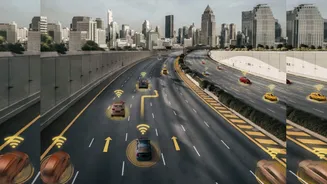
At its core, Vehicle-to-Vehicle (V2V) communication is a wireless technology that allows cars to constantly exchange information with each other in real-time. Think of it as a local social network for vehicles. Cars equipped with a V2V unit broadcast
small packets of data—like their speed, location, direction, and whether they are braking or accelerating. Other V2V-enabled cars nearby receive these messages almost instantly. This continuous data sharing allows a vehicle's safety system to detect potential dangers long before a human driver could see them. It operates without needing a mobile network, using a dedicated radio frequency to ensure the signals are reliable and fast.
India's Plan for 'Talking Cars'
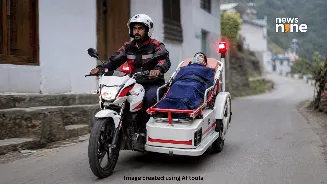
The Ministry of Road Transport and Highways (MoRTH) has released a draft notification proposing a significant shift in automotive safety. The plan is to make V2V communication systems mandatory for all new vehicles—including two-wheelers, cars, and commercial trucks—from October 1, 2028. The rollout will be phased, with compliance for vehicles already equipped with the tech starting from October 2027, giving manufacturers time to adapt. This move is a direct response to India's high rate of road accidents and fatalities, aiming to reduce human error by giving drivers crucial extra seconds to react. The initiative goes beyond just cars, including two-wheelers in its scope, a critical factor for India's mixed traffic conditions.
Beyond What a Driver Can See
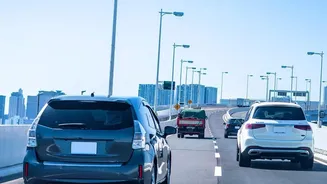
The primary advantage of V2V technology is its ability to 'see' around corners and through traffic. Unlike current Advanced Driver Assistance Systems (ADAS) that rely on cameras and radars, V2V is not limited by a direct line of sight. For instance, if a car several vehicles ahead brakes suddenly, its V2V system can send out an 'Emergency Brake Alert'. Your car would receive this warning instantly, long before you see the brake lights. The system is specifically designed to address common and dangerous scenarios on Indian roads, such as a vehicle approaching from a blind intersection, a car driving the wrong way on a highway, or sudden congestion forming after a sharp turn. It can also alert drivers to approaching emergency vehicles, allowing them to clear a path sooner.
How Hazard Warnings Will Work
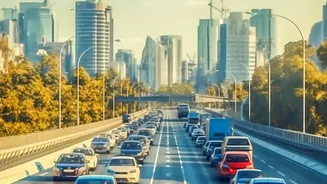
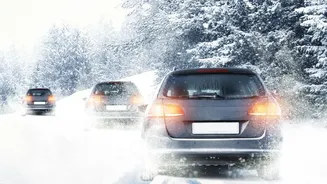
When a V2V system detects a potential risk, it will alert the driver through visual or audio warnings on the dashboard. The system doesn't take control of the car; it simply provides an early warning to the driver. The core applications detailed in the government's proposal focus on critical safety alerts. These include Forward Collision Warnings, which trigger if you're approaching a slower vehicle too quickly, and Wrong-way Driving Alerts, which can prevent head-on collisions. For highway driving, this means getting a heads-up about a stalled truck in foggy conditions or a chain-braking event in heavy traffic, situations where human reaction time alone is often not enough.
The Roadblocks Ahead
While the technology holds immense promise, its implementation in India faces several hurdles. The biggest challenge is achieving mass adoption. For V2V to be effective, a significant percentage of vehicles on the road must be equipped with it. Another major concern is cost, as adding the necessary hardware will increase vehicle prices, though early estimates suggest it could be a few thousand rupees per vehicle. Furthermore, ensuring the standardization of communication protocols across all manufacturers is crucial for seamless interaction. Finally, data privacy and cybersecurity are paramount; the system must be secure to prevent fake alerts or malicious attacks that could create new dangers on the road.