




What is Stone Balancing?
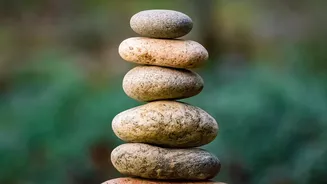
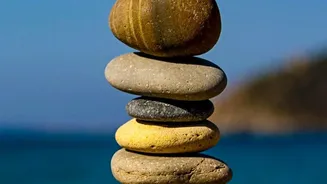
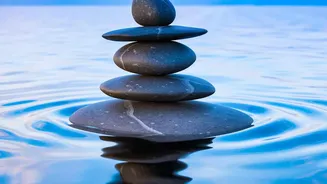
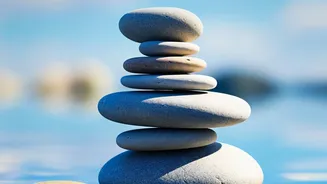
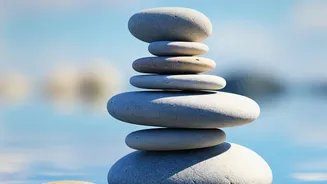
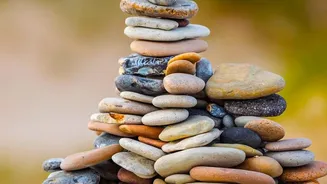
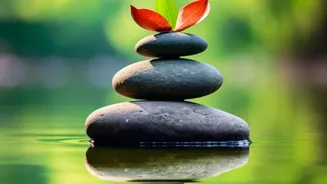
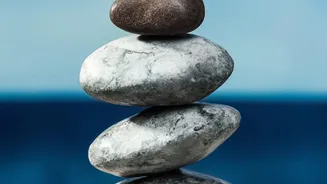
At its core, stone balancing is the art of stacking rocks on top of one another without any adhesives or supports. It might sound simple, but the practice requires finding the natural points of equilibrium in each stone, creating structures that can seem
to defy gravity. Practitioners range from casual hobbyists on a beach to dedicated artists who create complex, breathtaking sculptures. For many, it's a form of active meditation, a creative outlet, and a way to connect deeply with the natural environment. The process is slow and deliberate, turning a simple act into a profound experience of patience and presence.
An Exercise for Mental Clarity
The primary benefit many seek from stone balancing is mental. To succeed, you must silence the external world and internal chatter, giving the task your complete attention. This intense concentration acts as a form of mindfulness, grounding you firmly in the present moment. As you feel for the minute shifts in weight and friction, your mind enters a focused, meditative state. Practitioners often report a significant reduction in stress and anxiety, as the repetitive, gentle motion of testing and placing stones helps to calm the nervous system. Over time, this practice can enhance your ability to concentrate in other areas of your life, building mental resilience and clarity.
Training for Physical Precision
Beyond the mental benefits, stone balancing is a remarkable activity for honing physical skills. The delicate act of picking up, rotating, and placing each stone requires precise hand-eye coordination. You learn to make tiny, controlled movements, developing fine motor skills that are crucial for dexterity in everyday tasks. Feeling for the tripod of balance—the three points of contact that create stability—trains your tactile sensitivity. Your body awareness and postural control improve as you hold a steady position, often for long periods, to place a rock perfectly. Each successful placement is a lesson in physics and a testament to the body’s ability to achieve delicate harmony.
The Power of the Outdoors
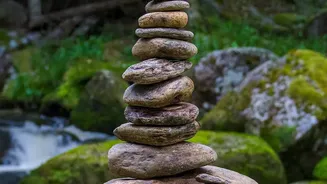
While stone balancing can be practiced anywhere, doing it outdoors adds a crucial dimension. Being in nature is inherently restorative, and combining it with a mindful activity amplifies the benefits. The fresh air and natural sounds provide a calming backdrop that is difficult to replicate indoors. The environment also provides the raw materials, turning a simple riverbed or rocky shoreline into a playground for creativity and focus. This direct connection with the earth fosters a deeper appreciation for the natural world. The impermanent nature of the art—knowing a gust of wind or a rising tide will eventually return the stones to their place—also teaches a powerful lesson in letting go of attachment.
Practice with Responsibility
The growing popularity of stone balancing has raised important environmental concerns. While the practice itself is ancient, its modern surge, often fueled by social media, can lead to negative impacts. Moving large numbers of rocks can disrupt fragile ecosystems, displacing insects, small animals, and aquatic life that use them for shelter. It can also contribute to soil erosion and destabilize shorelines. Furthermore, unofficial rock stacks can confuse hikers who rely on officially placed stone markers, known as cairns, for navigation. To practice responsibly, follow Leave No Trace principles. Use loose rocks, avoid disturbing sensitive areas, and consider dismantling your creation and returning the rocks to where you found them, preserving the natural landscape for others to enjoy.