






The Green Wave Sweeping Urban India
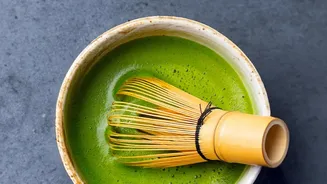
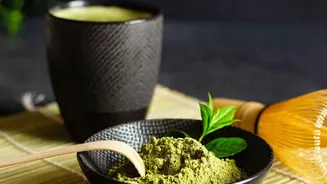
Once a niche item found only in specialty health stores, matcha has officially entered India’s mainstream. In cities like Mumbai, Delhi, Bengaluru, and Pune, third-wave coffee shops and trendy cafes have made matcha lattes, smoothies, and desserts a menu
staple. This boom is driven by a young, urban, health-conscious demographic that sees the powdered green tea as a sophisticated and beneficial alternative to coffee. Market data confirms this isn't just a fleeting trend. The Indian matcha market was valued at over USD 45 million in 2025 and is projected to grow at a compound annual growth rate of nearly 10% through 2033. This rapid expansion is visible not just in cafes but also online, with Google searches for 'how to make matcha' surging by 1300% in the past year, indicating a shift towards home consumption as well.
More Than a Drink: A Wellness Statement
What's behind the craze? It's a blend of health, aesthetics, and aspiration. Matcha is rich in antioxidants like EGCG and an amino acid called L-theanine, which is said to provide a state of 'calm alertness' without the jitters of coffee. This has positioned it perfectly as a 'wellness drink' for an increasingly health-aware Indian consumer base. Furthermore, its vibrant green colour is highly 'Instagrammable', making it a social media star. Influencers and even celebrities have amplified its status as a stylish and healthy choice, creating a powerful aspirational pull. The demand is so strong that consumers are exploring variations like mango and strawberry matcha, while searches for 'matcha protein' have skyrocketed.
A Crisis Brewing in Japan
While India embraces matcha, Japan's domestic tea industry faces an existential threat. For decades, the consumption of traditional loose-leaf green tea has been declining. Younger generations in Japan are increasingly opting for coffee or convenient bottled teas over the ritual of brewing loose leaves. This has led to a steep drop in demand, with per capita consumption falling significantly since its peak. Compounding the problem is a severe demographic crisis among tea farmers. The workforce is rapidly aging, with a majority of farmers over 65. In the last two decades, four out of five tea-farming households have ceased production, as younger generations are reluctant to take on the physically demanding and less profitable work.
From Domestic Decline to Export Boom
Faced with a shrinking market at home and an aging workforce, Japanese tea producers have been forced to look outward. The Japanese government and agricultural bodies have actively promoted exports as a lifeline for the industry, targeting health-conscious consumers in markets like the US, Europe, and increasingly, Asia. Matcha, being a high-value, premium product, has been the star of this export strategy. Its use in beverages and confectionery abroad has fueled unprecedented demand. As a result, Japanese green tea exports have set new records, growing over 250% in the decade leading up to 2024 and helping to offset the steep decline in domestic consumption.
A Perfect Match(a)
This is where the two stories converge. Japan’s need for new markets aligns perfectly with India's burgeoning demand for premium, healthy, and trendy products. India is now one of the fastest-growing markets for matcha, creating a vital new revenue stream for Japanese producers. Japan has become a top exporter of matcha to India, fueling the café culture and direct-to-consumer brands that have popularized the drink. While high import costs mean authentic Japanese matcha remains a premium product in India, it has established a strong foothold. This symbiotic relationship is a clear example of modern global trade: a crisis in one nation's traditional market creates a cultural and economic boom in another.