





What Exactly is Tai Chi?
Often described as “meditation in motion,” Tai Chi is a traditional Chinese practice that combines slow, graceful movements with deep breathing and mental focus. Though its roots are in the martial arts, it is now practised worldwide primarily for its profound
health benefits. Unlike high-intensity workouts, Tai Chi involves a series of flowing, continuous postures that transition seamlessly from one to the next. The goal is to harmonise the body's energy, or 'qi,' promoting a state of relaxed awareness. This makes it an incredibly approachable activity for people of all ages and fitness levels, requiring no special equipment to get started.
The Science Behind Better Balance
One of Tai Chi's most celebrated benefits is its scientifically-backed ability to improve balance and reduce the risk of falls, particularly in older adults. The practice enhances proprioception—your body’s innate sense of its position in space—which can decline with age. The slow, deliberate weight shifts from one leg to another strengthen the muscles in the legs and core, which are essential for stability. Furthermore, the focused movements train your reflexes and improve coordination, making it easier to recover from a stumble or a trip. Studies have shown that regular Tai Chi practice can significantly reduce falls by improving both static (still) and dynamic (in motion) balance.
A Gentle Approach to Joint Health
For individuals dealing with joint pain, arthritis, or recovering from an injury, finding a suitable exercise can be a challenge. Tai Chi provides an ideal solution because it is fundamentally low-impact. The slow, controlled motions build muscle strength without putting stress on the joints in the way that running or jumping does. Regular practice can lead to increased flexibility and a greater range of motion in the upper and lower body. This gentle strengthening helps to support the joints, which can alleviate pain and improve overall function. Many movements can even be adapted to be performed while sitting, making it accessible for nearly everyone.
More Than Just a Physical Workout
While the physical rewards are significant, the benefits of Tai Chi extend deeply into mental and emotional well-being. The practice’s emphasis on deep breathing and mindfulness helps activate the body’s relaxation response, which can lower stress and anxiety. The focused concentration required to perform the movements acts as a form of meditation, quieting a busy mind and improving mental clarity. Practitioners often report improved mood, better sleep, and a greater sense of overall well-being. This integration of mind and body is what makes Tai Chi a holistic practice, addressing health from the inside out.
How to Get Started on Your Journey
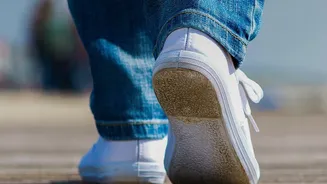
Starting Tai Chi is simple and doesn't require a significant investment. Many community centres and gyms now offer beginner classes, both in-person and online. Look for instructors certified in programs designed for beginners to ensure you learn the foundational principles correctly. Wear comfortable, loose-fitting clothing that allows you to move freely, and either practice barefoot or with flat, flexible shoes that provide good grip. Don't worry about perfecting the movements right away. The key is to relax, breathe deeply, and focus on the gentle flow of the practice. The journey is one of gradual progress, and consistency is more important than perfection.