



The Myth's Green Roots
The belief that houseplants scrub the air clean can be traced back to a single, high-profile experiment: the 1989 NASA Clean Air Study. Facing the challenge of purifying air in sealed space stations, NASA researchers placed common houseplants in small,
sealed chambers and introduced volatile organic compounds (VOCs) like benzene and formaldehyde. The results were exciting. Some plants were able to remove a significant percentage of these chemicals from the sealed chambers over a 24-hour period. This study, while scientifically sound for its specific context, was the seed that grew into a widespread and widely misinterpreted belief about houseplants in our homes.
Why The Science Wilted
The problem is that your living room is not a sealed NASA chamber. The key difference is ventilation. Homes and offices have what building scientists call air exchange rates—air is constantly flowing in and out through windows, doors, vents, and tiny cracks. This natural ventilation dilutes and removes pollutants far more effectively and quickly than a few potted plants can. A 2019 review by researchers at Drexel University analyzed 30 years of studies and concluded that, in a real-world environment, the air-cleaning effect of plants is 'vastly overstated'. While the plants do absorb pollutants, they do so too slowly to compete with the building's natural air exchange.
The Numbers Just Don't Add Up
To truly appreciate the scale of the issue, consider the numbers. Multiple analyses have concluded that to achieve the same air-cleaning effect as a building's standard ventilation system or a decent mechanical air purifier, you would need an impossibly large number of plants. Estimates suggest you would require anywhere from 10 to 1,000 plants per square meter of floor space to make a meaningful dent in indoor air pollution. For an average-sized room, this would mean turning your living space into a dense jungle, making it impractical for most people. The original NASA study even recommended at least one plant per 100 square feet, but modern analysis suggests even this is far from enough for significant purification.
The Real, Proven Benefits Are Better
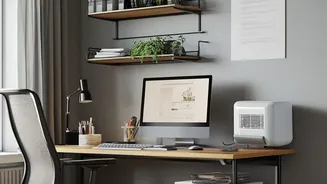
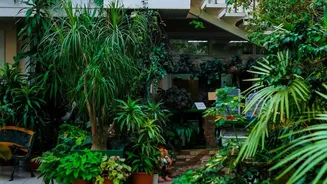
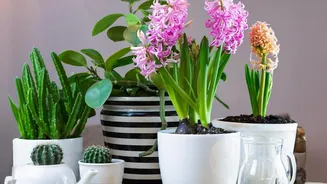
This doesn't mean you should give up on your green friends. The true benefits of houseplants are psychological and well-documented. The concept of 'biophilia' suggests humans have an innate need to connect with nature, and indoor plants help satisfy that need. Studies have consistently shown that the presence of plants can reduce stress and anxiety by lowering cortisol levels, our primary stress hormone. They can also improve mood, increase focus and concentration, and even boost memory retention by up to 20%, making them great companions for a home office or study area.
More Than Just A Pretty Leaf
Beyond the significant mental health boost, interacting with plants offers more tangible rewards. The act of nurturing a living thing can foster a sense of purpose and mindfulness. In rooms with dry air, especially during winter, plants release water vapor through transpiration, which can modestly increase ambient humidity and help with respiratory comfort. And let's not forget the simple, aesthetic joy they bring. Plants add color, texture, and life to our indoor spaces, making them more calming, beautiful, and pleasant places to be. Even if they aren't scrubbing the air, they are profoundly enhancing our environment.