



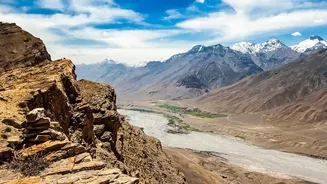
A New Gateway to the Valley
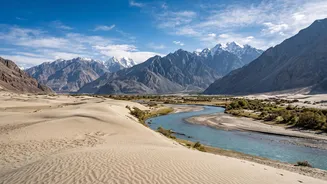
For years, reaching the sand dunes and monasteries of Nubra Valley involved a long, arduous road trip from Leh over the mighty Khardung La pass. The plan to introduce commercial flights to Thoise Airport, located right in Nubra Valley, is set to be a game-changer.
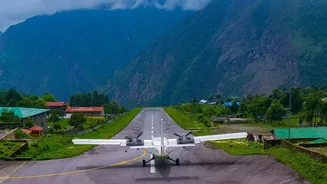
Currently a critical military airbase for the Indian Air Force, Thoise is instrumental in supporting troops in the Siachen sector. Opening it to civilians would not only slash travel time but also provide a massive boost to tourism and the local economy, making destinations like Hunder, Diskit, Turtuk, and even the Siachen Base Camp more accessible. At present, Leh is the only commercial airport in Ladakh.
The Flight Plan: What to Expect
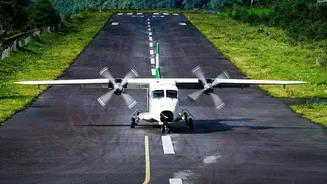
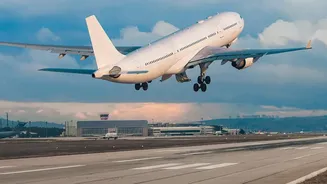
Authorities are targeting December 2026 to begin operations, though this is a goal and not yet a confirmed launch date. The plan involves refurbishing the existing chartered-flight terminal to handle the first wave of commercial passengers while a new, permanent civil terminal is built on five acres of land approved by the Indian Air Force. Runway recarpeting work is already underway and expected to be finished by November 2026. However, travellers should note that no airline has officially announced routes, flight schedules, or ticket prices yet. These details will likely be confirmed closer to the operational launch, once all infrastructure and regulatory approvals are in place.
High Altitude, High Alert: Health First
Flying directly into Thoise, which sits at an elevation of over 10,000 feet, presents a significant health consideration: Acute Mountain Sickness (AMS). Unlike the road journey which allows for gradual acclimatisation, a flight rapidly transports you from sea level to high altitude, giving your body little time to adjust. Symptoms of AMS range from headaches and dizziness to more severe, life-threatening conditions. Upon arrival, it is crucial for travellers to plan for at least one full day of complete rest before engaging in any sightseeing. Drink plenty of water, avoid alcohol and strenuous activity, and be prepared to descend if symptoms worsen. This is not a part of the trip to rush; proper acclimatisation is essential for a safe and enjoyable experience.
Navigating the Paperwork: Permits Required
While flying into the region may become easier, the requirement for permits to explore it remains. Nubra Valley is a protected area, and all tourists need to have the necessary permissions. For Indian nationals, this means ensuring you have valid government-issued photo ID to show at checkpoints like South Pullu. While the formal Inner Line Permit (ILP) is no longer required for most tourist spots in the valley, you will need to register at various checkposts. Foreign nationals, including OCI/PIO cardholders and NRIs, must obtain a Protected Area Permit (PAP) through a registered travel agent. These permits are checked strictly, so it is wise to carry multiple photocopies of your permit and ID to avoid any travel disruptions.
Beyond the Airstrip: Exploring the Region
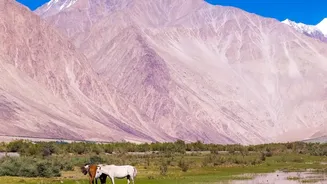
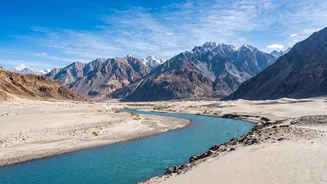
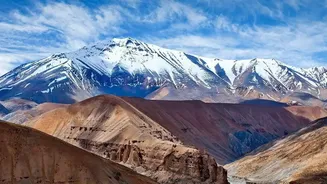
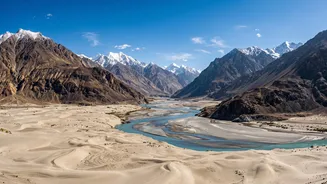
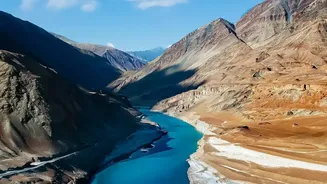
Once you've landed and acclimatised, Nubra Valley offers a world of stark, dramatic beauty. The region is famous for its cold desert landscape, particularly the Hunder sand dunes where you can ride double-humped Bactrian camels. A visit to the Diskit Monastery, with its towering statue of Maitreya Buddha overlooking the Shyok River, is a must. The new flight access will also make it easier to travel to the remote and historically significant village of Turtuk, one of the northernmost villages in India, which was opened to tourists only a few years ago. These flights will unlock a deeper, more accessible experience of a region that was once considered one of the most remote corners of the Himalayas.