






A State Takes Flight
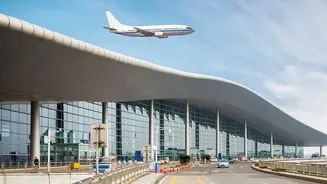
Madhya Pradesh is in the midst of a significant aviation infrastructure overhaul. The state, which currently has eight operational airports, is planning to expand its network to ten within the next two years with new airports in Ujjain and Shivpuri. The strategy
doesn't stop there; plans are afoot to convert ten existing airstrips in locations like Singrauli, Sagar, and Neemuch into fully functional airports. This multi-pronged approach involves building new greenfield airports, such as the one planned for Ujjain, and substantially upgrading existing ones. For instance, the recently inaugurated new terminal at Gwalior’s Rajmata Vijayaraje Scindia Airport increased its peak-hour passenger capacity from around 200 to 1,400. Similarly, Jabalpur's airport has also seen a major expansion, including a new terminal building and a runway extension, to accommodate larger aircraft and handle up to 800 passengers during peak hours. This push also includes smaller airports like Rewa, which recently became the state's sixth operational airport, linking the underserved Vindhya region to major state and national hubs.
The Economic Multiplier Effect
This large-scale investment is about more than just convenience; it's a calculated move to unlock economic potential. Improved air connectivity is a proven catalyst for growth, impacting everything from tourism to trade. For a state rich in cultural heritage and natural beauty, like Madhya Pradesh, accessible airports are gateways for tourists. Destinations such as the national parks near Jabalpur or the religious sites in Ujjain become far more accessible to domestic and international visitors. The development of Ujjain's new airport is strategically timed ahead of the Simhastha festival in 2028, a massive religious gathering that draws millions. Beyond tourism, better flight connections empower local businesses by enabling faster travel and improving logistics for high-value goods. Studies by international bodies have shown that every job created directly in aviation can support several more in the wider economy, creating a ripple effect that boosts local prosperity and development.
The National Blueprint: UDAN
Madhya Pradesh's efforts are a powerful reflection of a national strategy: the UDAN (Ude Desh ka Aam Naagrik) scheme. Launched in 2016, this Regional Connectivity Scheme aims to make air travel affordable and widespread, connecting India's vast Tier-2 and Tier-3 cities. The core idea is to operationalise unserved and underserved airstrips across the country, turning them into viable airports. The government supports airlines to operate on these routes, often with viability gap funding, to ensure that flying is not a luxury reserved for those in major metropolitan areas. Since its inception, UDAN has successfully operationalised hundreds of routes, linking nearly 100 airports, heliports, and water aerodromes that previously had little to no air service. The transformation of airstrips in places like Rewa and the planned upgrades for Singrauli and Chhindwara in Madhya Pradesh are direct outcomes of this policy in action.
Connecting the Last Mile
Building an airport is only the first step. The true success of regional connectivity hinges on creating a seamless travel ecosystem. This means ensuring there is reliable and affordable ground transportation to and from the new airports. It also requires airlines to see long-term commercial viability in these regional routes. While the UDAN scheme provides initial support, sustainable operations depend on consistent passenger demand. Challenges remain, including the high operational costs for airlines on shorter routes and the need for constant infrastructure maintenance. However, the benefits often outweigh the difficulties. For travellers, a journey that once took over eight hours by road can be completed in an hour by flight, a practical impact that transforms business and personal travel. The plan in Madhya Pradesh to build an airstrip every 145 kilometres is a testament to this granular approach, aiming to knit the entire state into a cohesive economic and social fabric.