






The Inward Turn: Stillness and Self-Awareness
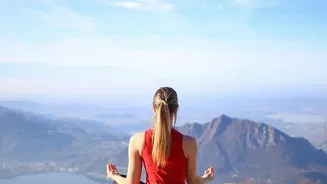
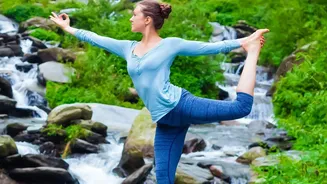
Quiet yoga and meditation are practices of turning inward. The goal is to still the endless chatter of the mind by focusing on the breath, physical sensations, or a single point of concentration. This approach cultivates a profound sense of self-awareness,
allowing you to observe your thoughts and feelings without judgment. The practice is deeply internal; it is about building a sanctuary within yourself, independent of your external environment. Regular practice can enhance emotional regulation by increasing activity in the prefrontal cortex, the part of the brain responsible for control and focus. It’s a discipline of quiet observation, strengthening your mental and emotional resilience from the inside out.
The Outward Path: Movement and Sensory Engagement
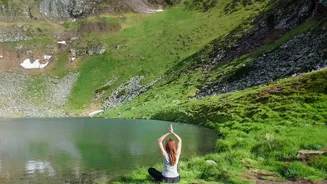
In contrast, a green nature trek is an outward journey that uses the environment as a healing agent. The focus shifts from internal observation to external engagement with the sights, sounds, and smells of the natural world. This form of “green exercise” has been shown to be highly effective at reducing stress. The physical activity of trekking releases endorphins, which have mood-boosting effects, while the natural setting itself works to calm the nervous system. Studies show that time in nature can significantly lower levels of the stress hormone cortisol and reduce activity in the parts of the brain associated with negative, repetitive thinking.
Focus and Direction of Attention
The core difference between the two lies in the direction of your focus. Meditation often involves directing attention inward to observe thoughts and sensations, a practice that builds mental clarity. However, for those struggling with low moods or anxiety, this inward focus can sometimes be challenging. A nature trek, on the other hand, pulls your attention outward. It provides what environmental psychologists call “soft fascination,” where the gentle stimuli of nature capture your attention effortlessly, allowing your mind to recover from mental fatigue without demanding intense focus. This can make it a more accessible starting point for people feeling overwhelmed.
Mind and Body Connection
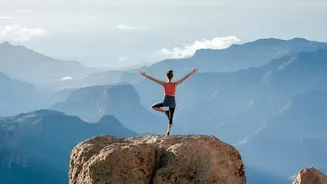
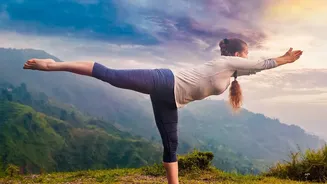
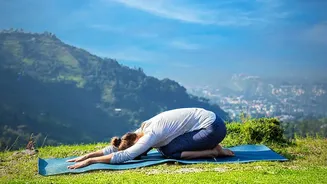
Both practices deeply connect the mind and body, but in different ways. Quiet yoga, such as Yin or restorative styles, involves holding gentle poses for extended periods. This not only increases flexibility but teaches you to sit with discomfort and breathe through it, forging a powerful link between physical sensation and mental calm. A nature trek connects mind and body through rhythmic movement and sensory input. The physical exertion of hiking builds stronger muscles and bones and improves balance, while the fresh air and natural light boost serotonin, improving mood and sleep cycles.
Which Path Is Right for You?
Choosing between a yoga mat and a hiking trail depends on your personal needs and disposition. If you are seeking to build discipline, improve your ability to focus, and understand the inner workings of your own mind, the structured introspection of yoga meditation is an excellent path. If you feel overwhelmed, mentally fatigued, or disconnected, the restorative and stimulating environment of a nature trek might be more immediately beneficial. It provides an escape and a sensory reset that can quiet a restless mind by giving it something beautiful to focus on.