




Understanding Rough Hair
Before diving into the solution, it helps to understand the problem. Hair feels rough when its outermost layer, the cuticle, becomes raised and damaged. Think of the cuticle as a layer of overlapping shingles on a roof. When healthy, these shingles lie
flat, creating a smooth surface that reflects light and feels soft. When damaged by heat, chemical treatments, or dryness, these shingles lift and break. This creates a rough, uneven texture that's prone to tangling, frizz, and a dull appearance. The hair shaft loses its ability to retain moisture, leading to a cycle of brittleness and breakage.
Conditioner vs. Mask: What’s the Difference?
You might wonder if your daily conditioner is enough. While regular conditioners are great for everyday maintenance, hair masks are in a league of their own. Think of a conditioner as a daily moisturiser for your face, providing surface-level hydration and detangling. A hair mask, on the other hand, is like a concentrated serum or an intensive weekly treatment. Masks are formulated with a higher concentration of potent ingredients like oils, butters, proteins, and humectants. They are also thicker in texture and designed to be left on the hair for a longer period—typically anywhere from 5 to 20 minutes—allowing these powerful ingredients to penetrate deeper into the hair shaft, rather than just coating the surface.
The Science of Smoothness
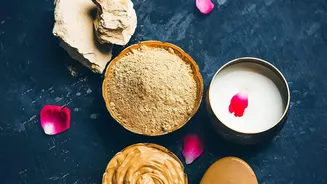
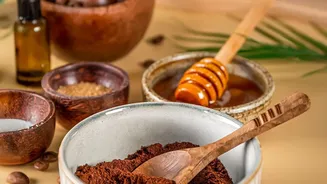
The magic of a conditioning mask lies in its rich blend of ingredients that work to restore hair health from the inside out. These ingredients typically fall into a few key categories. Emollients, such as natural oils like coconut, argan, and avocado, along with butters like shea, help to smooth down the cuticle, fill in gaps, and create a protective barrier that locks in moisture. Humectants, like glycerin, honey, and hyaluronic acid, attract water molecules from the air and bind them to the hair shaft, providing deep and lasting hydration. For hair that is structurally damaged, masks often contain proteins like keratin or amino acids. These ingredients temporarily patch up weak spots in the hair's internal structure, improving its strength and elasticity.
Finding the Right Mask for You
Not all masks are created equal, and the best one for you depends on your hair's specific needs. If your hair is fine, a heavy, butter-rich mask might weigh it down; look for lighter formulas with humectants and avoid heavy silicones. For coarse, thick, or curly hair, richer formulas with plenty of oils and butters can provide the intense moisture and slip needed to keep strands supple and defined. For hair damaged by colour or heat, a repairing mask containing proteins like keratin or amino acids can help rebuild strength, but be careful not to overdo it, as too much protein can lead to stiffness. Always check the ingredient list to see what a mask is truly offering beyond its marketing claims.
How to Get the Best Results
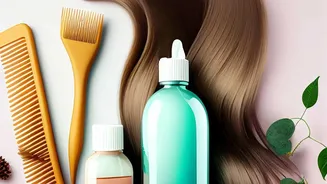
To make the most of your weekly treatment, application is key. Start by washing your hair with shampoo to remove any product buildup. Then, gently squeeze out excess water with a towel; applying a mask to soaking wet hair will only dilute its effects. Apply a generous amount of the mask, focusing on the mid-lengths and ends where hair is typically the most damaged and dry. Use your fingers or a wide-tooth comb to ensure it’s distributed evenly. Let it sit for the recommended time—usually 5 to 20 minutes. For an extra boost, you can wrap your hair in a warm towel to help open the cuticles and allow the ingredients to penetrate more deeply. Finally, rinse thoroughly with lukewarm or cool water until the hair no longer feels slippery.