



Sundarbans National Park, West Bengal
Imagine the world's largest mangrove forest, a dense, mysterious ecosystem where the Royal Bengal Tiger roams. That's the Sundarbans, a national park and biosphere reserve spanning the delta of the Ganges, Brahmaputra, and Meghna rivers. This UNESCO site,
inscribed in 1987, is a critical habitat not just for tigers, but also for saltwater crocodiles, various bird species, and rare aquatic mammals like the Gangetic dolphin. Its labyrinthine network of tidal waterways, mudflats, and small islands creates a unique and dynamic environment. The Sundarbans acts as a natural protective barrier against cyclones for the coastal population, making its conservation a matter of both ecological and human importance. A visit here is an encounter with nature at its most raw and powerful.
Western Ghats, Peninsular India
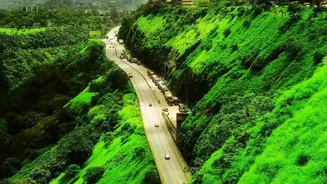
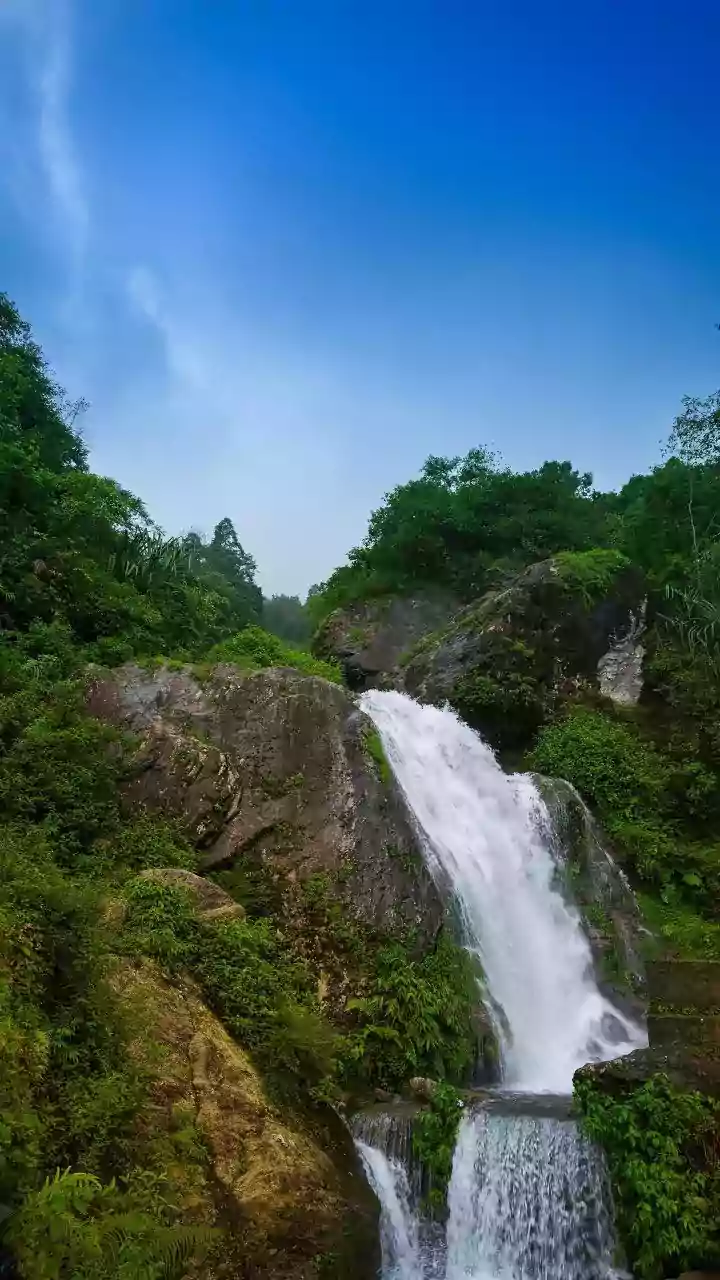
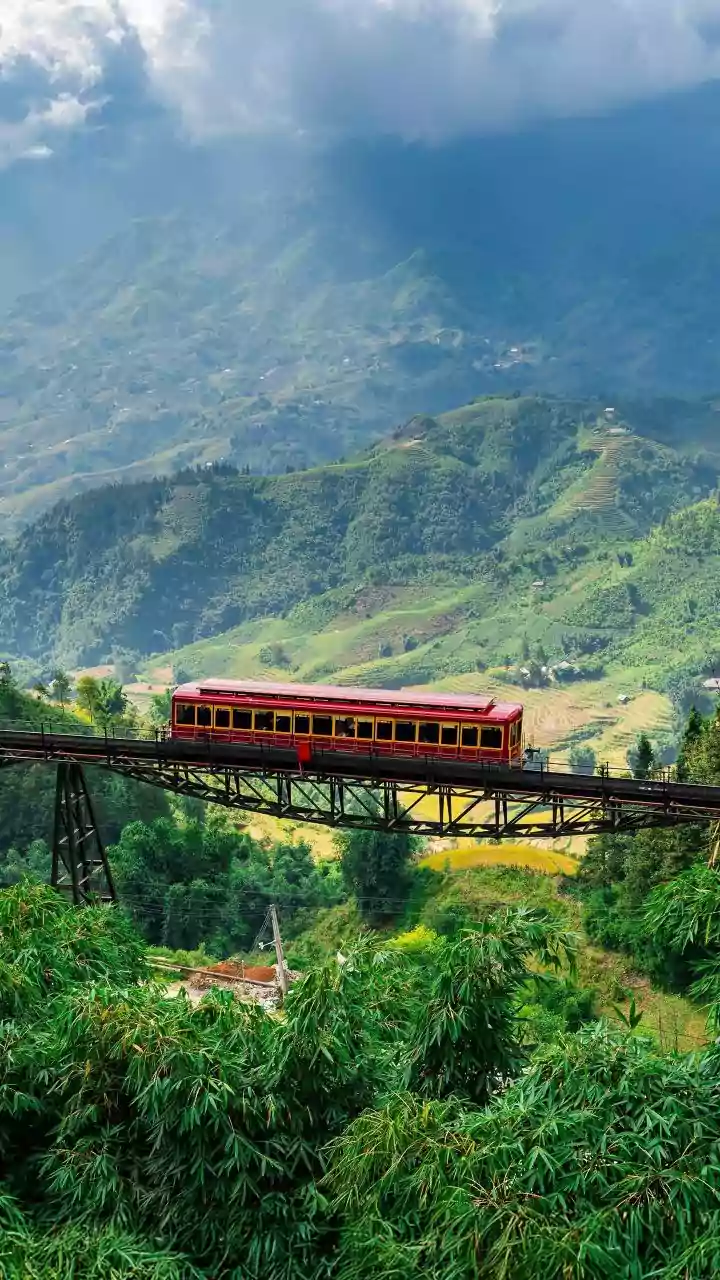
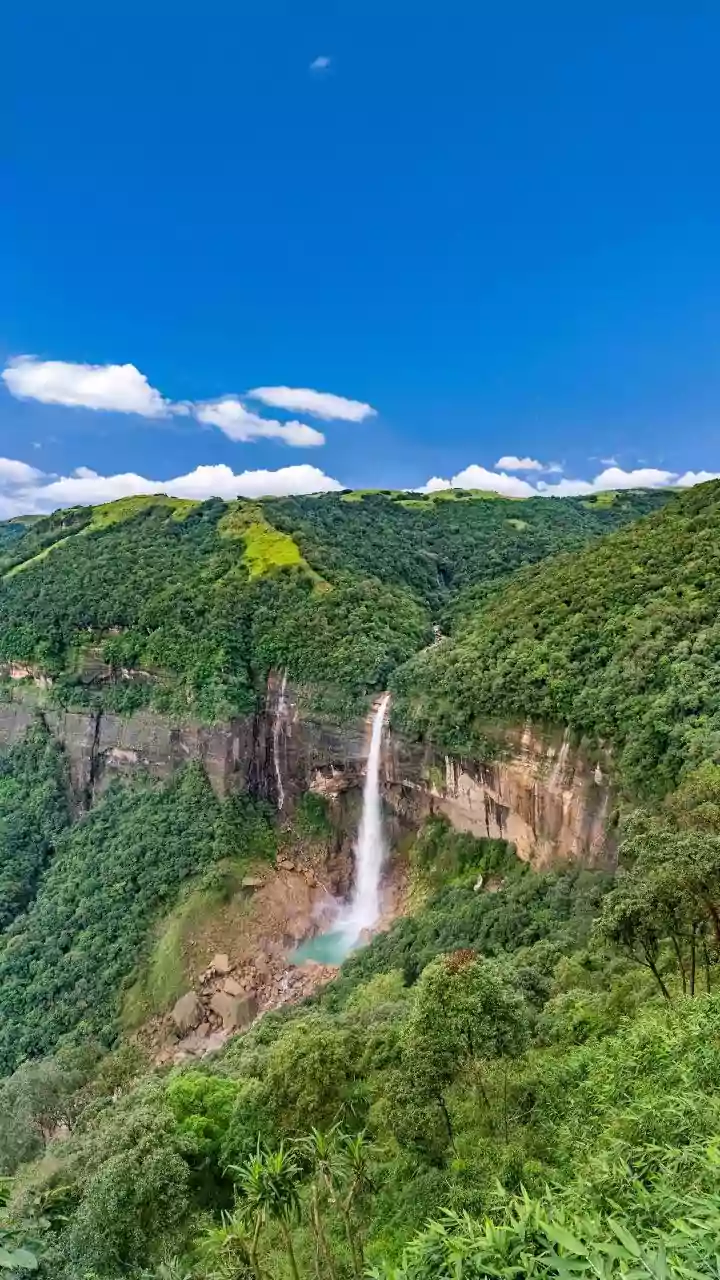
Older than the Himalayas, the Western Ghats are a magnificent mountain chain running parallel to India's western coast for nearly 1,600 kilometres. Recognized by UNESCO in 2012, this is not a single park but a series of 39 protected areas across multiple states, celebrated as one of the world's eight "hottest hotspots" of biological diversity. These mountains influence the Indian monsoon, creating lush forests teeming with life. The area is home to thousands of flowering plant species and provides a sanctuary for globally threatened animals, including Asian elephants, tigers, and the unique lion-tailed macaque. Exploring the Western Ghats means discovering everything from vast tea plantations and coffee estates to dense, pristine forests and thundering waterfalls.
Group of Monuments at Mahabalipuram, Tamil Nadu
On the Coromandel Coast, the monuments of Mahabalipuram stand as a testament to the artistic genius of the Pallava dynasty in the 7th and 8th centuries. This coastal town, a major seaport in its time, is famous for its collection of rock-cut temples and monolithic structures. The site includes the iconic Shore Temple, which bravely faces the Bay of Bengal, and the five 'Rathas' (chariots), each carved from a single giant boulder. Another marvel is the immense open-air bas-relief known as 'Arjuna's Penance' or 'Descent of the Ganges', which depicts a vast tableau of gods, humans, and animals. Declared a UNESCO site in 1984, Mahabalipuram is a stunning open-air museum where stone comes alive with mythological tales.
Sun Temple, Konark, Odisha
Conceived as a colossal chariot for the sun god, Surya, the 13th-century temple at Konark is a masterpiece of Kalinga architecture. Built by King Narasimhadeva I, the temple is designed with 24 intricately carved stone wheels, symbolizing the hours of the day, and is drawn by seven mighty horses. Although the main sanctum has collapsed over the centuries, the surviving audience hall (Jagamohana) and dance hall (Nata Mandir) are covered in exquisite stone carvings depicting everything from divine figures and dancers to scenes of daily life. Once known as the 'Black Pagoda' by European sailors who used it as a navigational landmark on the Odisha coast, the temple was granted UNESCO status in 1984 for its monumental design and artistic brilliance.
Elephanta Caves, Maharashtra
Just a short ferry ride from Mumbai lies Elephanta Island, known locally as Gharapuri or the "city of caves". This UNESCO site, dating back to the mid-5th to 6th centuries, is a collection of cave temples carved directly out of the basalt rock. The main cave is dedicated to the Hindu god Shiva and contains a series of magnificent, larger-than-life sculptures. The most famous of these is the Trimurti, a massive three-headed bust representing Shiva's three aspects: creator, preserver, and destroyer. The caves were an active place of worship for centuries before falling into disuse. Today, they stand as a powerful example of ancient India's rock-cut architectural tradition and spiritual artistry, offering a serene escape from the bustling city nearby.