



Understanding SMOPS-2026
The International Conference on Spacecraft Mission Operations, or SMOPS, is a key forum where global space agencies, private companies, and academics convene. The 2026 conference, held in Bengaluru, India, focused on “Innovative Operations for Smart and Sustainable
Space Mission Management.” This wasn't just a technical meeting; it was a critical summit to address the growing pains of an industry that has become essential infrastructure. Discussions around automation, mission design, large satellite constellations, and cybersecurity dominated the agenda, highlighting a sector at a crossroads.
A Sky Crowded with Risk
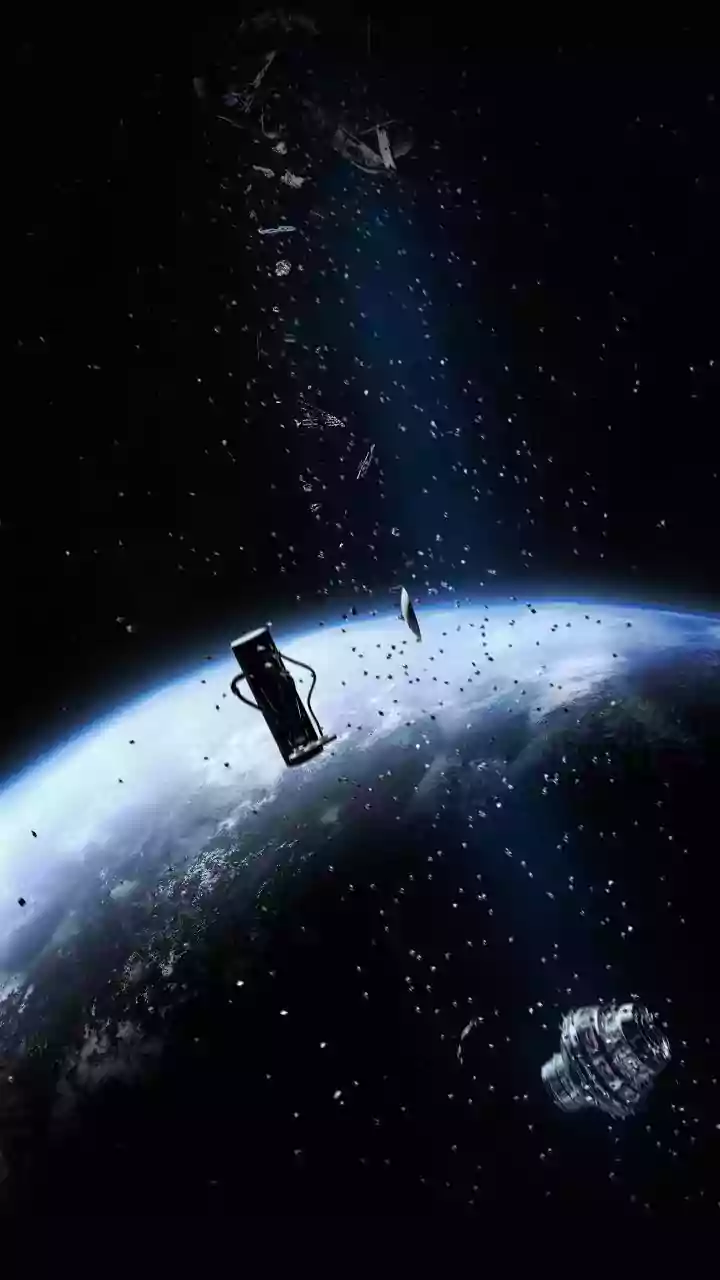
The primary issue is the sheer number of objects in orbit. The population of active satellites surged from around 1,000 in 2014 to nearly 10,000 by 2024. This figure doesn't include the estimated 1.2 million pieces of debris larger than one centimeter, which travel at speeds high enough to cause catastrophic damage to operational satellites. Just a hundred abandoned satellites in a dense region like the 800-km orbit can increase the collision rate by 10%. This growing cloud of space junk not only threatens individual satellites but also raises the risk of a chain reaction, known as the Kessler syndrome, that could render entire orbital paths unusable for generations.
The Sustainability Dilemma
The rapid expansion of mega-constellations from companies like Starlink and Kuiper has put the long-term sustainability of Low Earth Orbit (LEO) into question. While these networks promise to connect the globe, they come with environmental costs, from launch emissions to the light pollution affecting astronomy. A key focus for SMOPS is developing sustainable practices. This includes pushing for a post-mission disposal success rate of 95% or higher and reducing the time defunct satellites remain in orbit from 25 years down to five. Without stricter international rules and coordination, the orbital environment faces a tragedy of the commons.
An Unseen Digital Battlefield
As our reliance on satellites grows, so does their appeal as targets for cyberattacks. Commercial satellites are particularly vulnerable, often using off-the-shelf components and software that can be exploited. Threats range from jamming and spoofing signals to hijacking control via ground station intrusions. Many legacy satellites in orbit were designed for the harsh physical environment of space, not for threats like ransomware or state-sponsored espionage, and they cannot be easily patched or updated. This makes securing satellite networks—which underpin financial systems, communication, and national security—a paramount concern.
The Human Factor on the Ground
Reviewing the work behind satellites also means focusing on the people and processes on Earth. A session at a recent Space Operations Summit explored what makes a good space operator, highlighting that the human element is critical in a domain that is increasingly congested and contested. Every day, operators must make high-stakes decisions about whether to maneuver a satellite to avoid a potential collision, weighing the cost of fuel and service disruption against the risk of losing a multi-million dollar asset. As systems become more complex, the need for advanced training, robust procedures, and better data to build operator confidence is more urgent than ever.