




Why a Gradual Shift Is Crucial
After several days of a restricted diet—often limited to fruits, dairy, and specific 'vrat' flours—your digestive system slows down. It produces fewer enzymes needed to break down complex grains, proteins, and fats. Suddenly reintroducing heavy, spicy,
or fried foods can overwhelm your gut, leading to uncomfortable bloating, acidity, and indigestion. A mindful transition is not about further restriction, but about respectfully reawakening your digestive system, allowing it to adapt without stress. Think of it as a cool-down after a workout; it is an essential part of the process. This gradual approach helps you hold onto the feelings of lightness and clarity that many experience during the fast.
Start with Fluids and Probiotics
Before you reach for a full meal, focus on rehydration and restoring your gut health. Your body has been on a different schedule, and fluids are the gentlest way to start. Begin with water, coconut water, or fresh lime water with a pinch of salt. These help replenish electrolytes and fluids without taxing your stomach. Probiotics are equally important for bringing your gut microbiome back into balance. A bowl of plain curd (dahi), a glass of buttermilk (chaas), or a fruit smoothie with yogurt can introduce beneficial bacteria that aid digestion. These foods are light, nourishing, and prepare your system for more complex meals to come.
Introduce Light, Cooked Foods
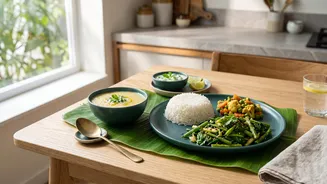
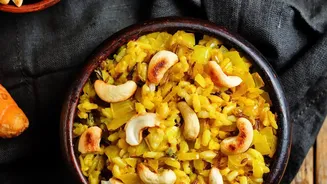
Your first few solid meals should be easy to digest. Steamed or boiled vegetables and simple, low-sodium soups are excellent choices. A light vegetable broth or a soup made from zucchini, carrots, or spinach provides nutrients without being heavy. Another classic post-fasting food is khichdi, made with rice and moong dal. It’s a balanced combination of carbohydrates and protein that is famously gentle on the stomach. Avoid rich, cream-based curries or heavily spiced preparations for the first day or two. The goal is to provide simple, wholesome energy that your body can process with ease.
Reintroduce Grains and Pulses Slowly
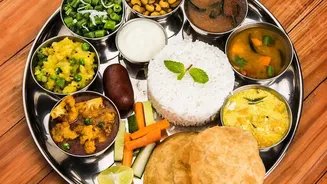
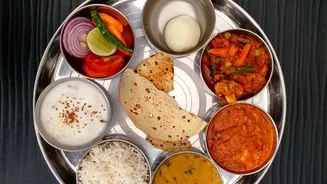
After days of avoiding regular grains, bringing them back requires patience. Start with small portions of soft-cooked rice or a single, plain roti instead of a full platter. Your body needs time to readjust to digesting the complex carbohydrates and fibre found in wheat, rice, and various dals. Overloading on fibre too quickly can cause gas and bloating. Listen to how your body responds. If a small portion of dal and rice feels good, you can gradually increase the quantity over the next few meals. Rushing this step is a common mistake that leads to digestive distress, so take it one meal at a time.
Mind Your Portion Sizes
The temptation to celebrate the end of the fast with a large, indulgent meal is understandable, but it is often counterproductive. Instead of sitting down to three large meals, try having smaller, more frequent meals for the first couple of days. This approach prevents you from overburdening your digestive system at any single point and helps maintain stable energy levels, avoiding the post-meal slump. Eating smaller portions also makes it easier to listen to your body’s hunger and fullness cues, a mindful practice that can be a lasting benefit of the fasting period.
What to Limit or Avoid Initially
For the first 48 to 72 hours after your fast, it is wise to steer clear of certain foods. Heavily fried items like puris, pakoras, and samosas, along with excessively sweet desserts, can be a shock to your system. Highly processed foods, anything from a package with a long ingredient list, and overly spicy dishes can also irritate a sensitive gut. While these festive treats are part of the celebration, reintroduce them slowly after your digestive system has returned to its normal rhythm. Prioritising fresh, minimally processed foods will help you feel more energetic and prevent discomfort.