





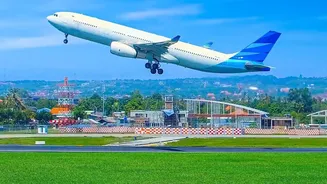
The world is getting a little closer for Indian travellers in 2026. A host of new direct international flights are cutting out the dreaded layover, making it easier than ever to reach destinations in Europe, Asia, and the Indian Ocean.
A Growing Network of Possibilities
For years, international
travel from India often meant a lengthy stopover in the Middle East or a European hub. That is rapidly changing. In 2026, Indian and international carriers have aggressively expanded their networks, betting on the rising demand from Indian tourists and business travellers for convenient, point-to-point travel. This expansion is powered by more fuel-efficient, long-range aircraft and a strategic push by airlines to connect India's major cities directly with global destinations. The result is more choice, shorter journey times, and the opening up of new travel possibilities that were once complicated by multi-leg journeys. While some previously announced routes have faced delays or suspensions, the overall trend for 2026 is one of significant growth.
New Gateways to Europe
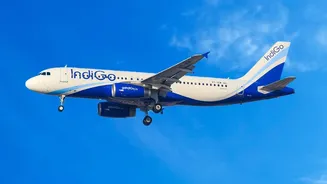
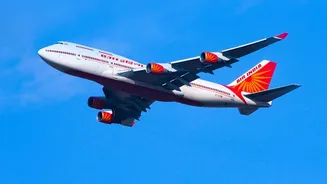
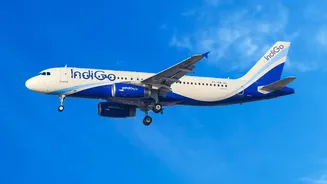
Europe is more accessible than ever this year. SWISS International Air Lines launched its first-ever service to South India, a five-times-weekly nonstop flight connecting Bengaluru to Zurich that began in late October 2026. This route provides a crucial link for business and leisure travellers to the heart of Europe. Meanwhile, IndiGo made a significant move by introducing direct flights from both Delhi and Mumbai to Athens in January 2026, using its new Airbus A321XLR aircraft. This opens up Greece and the Mediterranean without the need for a connection. While Air India continues its robust service to eight mainland European cities including Paris, Frankfurt, and Amsterdam, it's important for travellers to check schedules carefully. Recent airspace issues have at times forced temporary technical stops on some westbound routes to North America, though recent news as of mid-November indicates a resumption of true nonstop service to the New York area.
Fresh Connections Across Asia
Connectivity within Asia has also received a major boost. Air India launched a significant new route from Mumbai to Tokyo's convenient Haneda Airport in June 2026, operating four times a week and simplifying travel to Japan. IndiGo has been particularly active, launching daily direct flights between Kolkata and Shanghai, a route that started in late March. The airline also strengthened ties with Sri Lanka by starting six weekly flights from Delhi to Colombo. However, travellers should note that airline schedules are dynamic; IndiGo also announced reductions on some Asian routes for the summer season, including a temporary suspension of its Kolkata-Shanghai service, highlighting the need to check with the carrier before booking.
Beyond the Metros: More Cities Go Direct
The expansion isn't limited to just Delhi and Mumbai. Tier-2 cities are increasingly getting their own direct international links. Air India Express, for instance, restarted international operations from Indore with a new nonstop service to Abu Dhabi. The airline has also launched services from Navi Mumbai's new airport to Abu Dhabi. Perhaps most significantly for regional connectivity, Guwahati is now linked directly with both Dubai and Abu Dhabi, a major development for travellers from Northeast India who previously had to connect through Delhi or Kolkata. Further south, IndiGo launched a pioneering route from Chennai to Réunion Island, a French overseas territory in the Indian Ocean, making the unique destination accessible via a direct flight for the first time.
What This Means for Travellers
The proliferation of nonstop flights offers more than just convenience; it fundamentally changes travel planning. Shorter journey times reduce fatigue and effectively lengthen your holiday. Eliminating layovers also removes the risk of missed connections and lost baggage. From a cost perspective, the impact is mixed. While direct flights can sometimes command a premium, increased competition from multiple carriers on popular routes can also help keep fares in check. Travellers now have the leverage to choose between the speed of a direct flight and the potentially lower cost of a one-stop itinerary. This new landscape empowers passengers to find an option that best fits their budget and schedule, making international travel from India more accessible and tailored to individual needs than ever before.