


Why This Method Wins Summer
The beauty of the sheet-pan dinner is its elegant simplicity. In summer, its advantages are even more pronounced. First, there's the minimal cleanup—everything happens on one pan, often lined with parchment paper, meaning fewer dishes to wash in a hot
kitchen. Second, it's a cooler way to cook. Instead of standing over a sizzling stove, you let the oven do all the work, keeping ambient kitchen temperatures down. Finally, it’s incredibly versatile. This method allows you to use up whatever fresh produce you have from the farmers' market or your own garden, turning a potential glut of zucchini or tomatoes into a delicious, simple meal. It’s a strategy for relaxed, flavourful eating that aligns perfectly with the laid-back spirit of summer.
Choosing Your Summer Vegetables
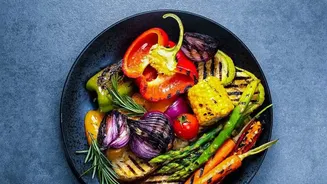
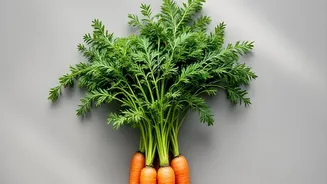
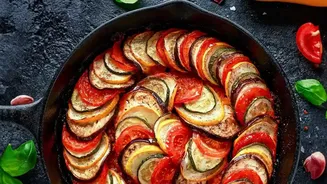
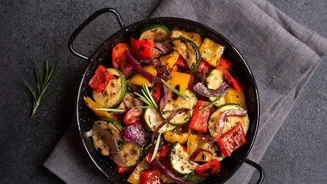
Success with sheet-pan vegetables starts with selecting the right players and understanding their cooking times. Summer offers a vibrant palette: bell peppers, zucchini, yellow squash, red onions, cherry tomatoes, and asparagus are all excellent choices. The key is to group vegetables by density. Harder, denser vegetables like carrots or small potatoes need more time to get tender. Softer, high-moisture vegetables like zucchini, bell peppers, and cherry tomatoes cook much faster. To ensure everything is perfectly cooked at the same time, you can either cut denser vegetables into smaller, quicker-cooking pieces or give them a head start in the oven for 10-15 minutes before adding the softer vegetables to the same pan.
The Secret to Crispy, Not Soggy
The goal is vegetables that are tender on the inside with delightfully caramelized, crispy edges. The enemy is steam, which leads to soggy, bland results. The first rule is to use high heat, typically around 220°C (425°F). This high temperature helps evaporate moisture quickly, promoting browning. The second rule is the most important: do not overcrowd the pan. Vegetables release water as they cook; if they are packed too tightly, they will steam in their own liquid. Spread them in a single, even layer, leaving space between pieces. Use two sheet pans if you have to. Lastly, make sure your vegetables are dry before you toss them with oil. After rinsing, pat them thoroughly dry with a clean towel. A dry surface is essential for achieving that coveted roasted texture.
Step-by-Step Guide to Perfection
Ready to cook? The process is straightforward. First, preheat your oven to 220°C (425°F) and line a large baking sheet with parchment paper for easy cleanup. While it heats, chop your chosen vegetables into uniform, bite-sized pieces, keeping cooking times in mind. In a large bowl, toss the vegetables with a generous drizzle of olive oil, salt, and pepper until everything is lightly coated. Spread the vegetables on the prepared baking sheet in a single layer. Roast for 20-30 minutes, tossing halfway through, until tender and golden brown. For the balsamic finish, you can either toss the vegetables with a few tablespoons of good quality balsamic vinegar during the last 5-10 minutes of cooking or, for a more intense flavour, drizzle them with a prepared balsamic glaze after they come out of the oven. The heat of the vegetables will make the glaze fragrant and delicious.
Easy Variations and Add-Ins
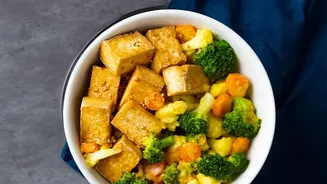
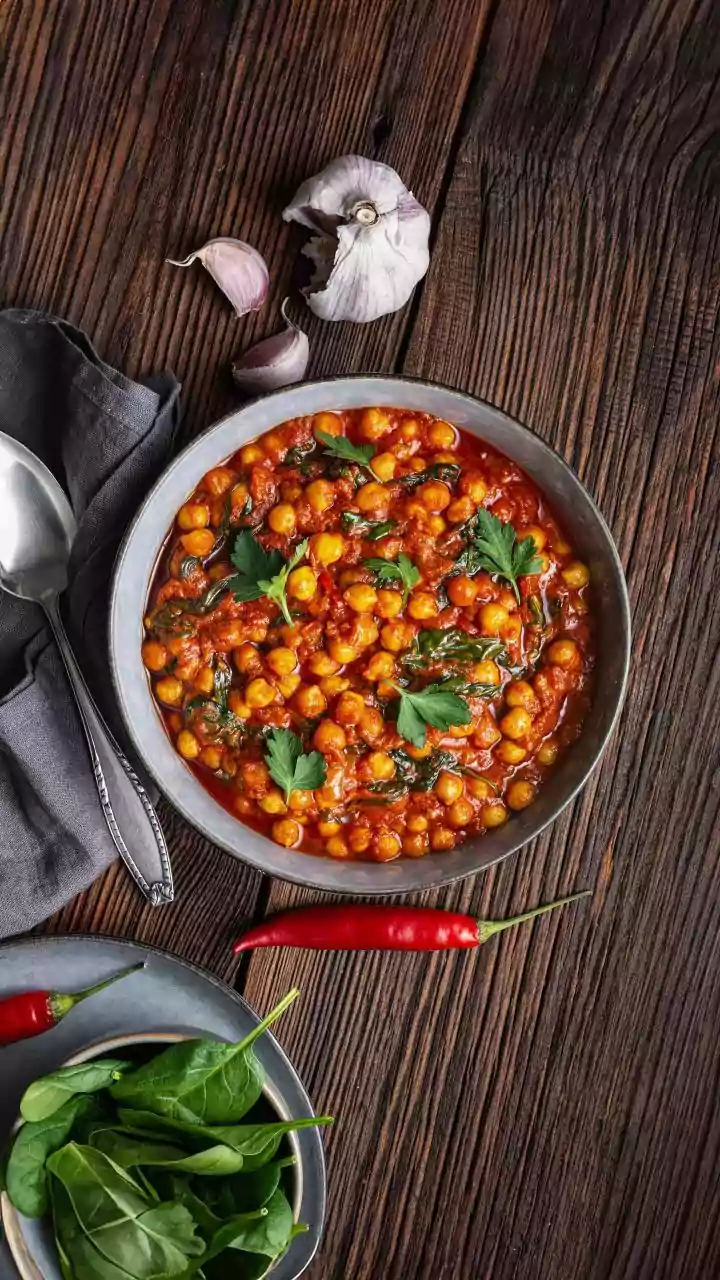
While the basic recipe is a star on its own, it’s also a fantastic canvas for customisation. To make it a complete one-pan meal, add some protein. Quick-cooking options like pre-cooked chicken sausage, chickpeas, or halloumi can be added to the pan along with the vegetables. You can also play with seasonings; a sprinkle of dried Italian herbs, smoked paprika, or a pinch of red pepper flakes can add new dimensions of flavour. Once the vegetables are out of the oven, elevate them further with a shower of fresh herbs like basil or parsley, a crumble of feta or goat cheese, or a sprinkle of toasted nuts for crunch. These simple additions can transform a humble side dish into the main event.