







A Landmark Quarter
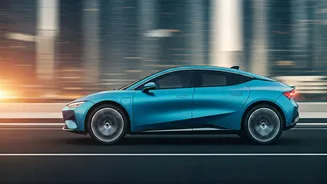
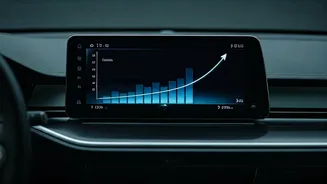
In the April to June 2026 quarter, Tata Motors registered 32,283 electric vehicles, a massive jump from the 15,794 units sold during the same period last year. This represents a staggering growth of over 100%, showcasing the automaker's continued dominance
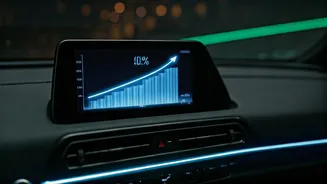
and the accelerating adoption of EVs in the country. June 2026 was a particularly strong month, with sales crossing the 12,000-unit mark for the first time. This performance helped Tata increase its EV market share to 39%, up from 36.1% a year ago, even as new competitors entered the fray. The strong sales figures indicate that electric vehicles are moving beyond early adopters and into the mainstream Indian market.
The Multi-Model Strategy
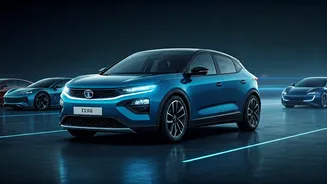
A key driver of Tata's success is its comprehensive portfolio of electric cars that caters to various price points and segments. The company has effectively created an accessibility ladder for potential EV buyers. It started with the Nexon EV, which continues to be a strong volume driver, and the Tigor EV. The strategy expanded with the launch of the affordable Tiago EV, which successfully attracted a large number of first-time EV buyers. More recently, the introduction of the Punch.ev, a micro-SUV, has significantly boosted sales, resonating with the market's strong preference for SUV body styles. This multi-pronged approach, featuring a mix of sedans, hatchbacks, and SUVs at different price levels, has been instrumental in capturing a wide customer base and fending off rivals.
A Competitive But Distant Field
While Tata Motors remains the undisputed leader, the competitive landscape is heating up. Mahindra & Mahindra has solidified its position as the second-largest player, nearly doubling its registrations to 20,112 units in the same quarter. JSW MG Motor India holds the third spot with 16,502 registrations. The market has also seen the entry of significant new players. Maruti Suzuki, India's largest carmaker, made its EV debut with the e-Vitara and registered 4,894 units, signaling its serious intentions. Vietnamese automaker VinFast also made an immediate impact, recording 3,973 registrations in its first full quarter of sales in India. Despite this growing competition, Tata's lead remains substantial, with its Q1 sales figure comfortably ahead of its closest rival.
What's Driving the Growth?
Several factors are contributing to this electric surge, both for Tata and the industry at large. According to company leadership, growing confidence in the technology, improved vehicle range, and lower barriers to ownership are drawing in more mainstream buyers. Recent launches like the Harrier.ev and the upcoming Sierra.ev are set to further strengthen Tata's position in the premium electric SUV segment. For consumers, the long-term cost benefits of EVs are becoming more apparent, especially amid concerns over fluctuating fuel prices. Tata's strategy of building an entire ecosystem, including dedicated showrooms and charging solutions, has also played a crucial role in building customer trust and facilitating the transition to electric mobility.
The Road Ahead
Tata Motors' impressive first-quarter performance sets a high benchmark for the rest of the financial year. The company's management has expressed confidence that EV penetration in the Indian car market could reach nearly 8% by the end of FY27, up from around 4.5% in the previous year. However, challenges remain. Competition is set to intensify further, with more models expected from both domestic and international players. Sustaining this growth will require not only compelling products but also continued expansion of the charging infrastructure and advancements in battery technology to bring costs down further. For now, Tata's strategy of offering a diverse and accessible range of electric vehicles has proven to be a winning formula, placing it firmly in the driver's seat of India's EV revolution.