







The Power of Ragi
Ragi, also known as finger millet, has been a cornerstone of traditional Indian diets for centuries. This humble grain is now celebrated globally as a superfood, and for good reason. It is packed with essential nutrients, making it a fantastic addition
to your breakfast routine. One of ragi's standout features is its high calcium content, which is crucial for maintaining strong bones and teeth. In fact, it contains significantly more calcium than other cereals like wheat and rice. Ragi is also an excellent source of dietary fibre, which aids digestion, promotes a feeling of fullness, and can help with weight management. Being naturally gluten-free, it's a wonderful option for those with gluten sensitivities. Furthermore, its low glycemic index helps in the slow release of sugar into the bloodstream, making it a suitable choice for managing blood sugar levels.
Crafting the Perfect Ragi Pancakes
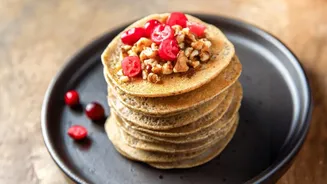
Making ragi pancakes at home is simple. While recipes vary, a common approach involves blending ragi flour with whole wheat flour to create a softer texture, though you can use 100% ragi flour for a gluten-free version. A basic batter can be made by mixing one cup of ragi flour with a half cup of whole wheat flour, a teaspoon of baking powder, and a pinch of salt. In a separate bowl, whisk together milk, a tablespoon of yogurt, and a natural sweetener like mashed banana or date paste. Combine the wet and dry ingredients until just mixed, being careful not to overmix, and let the batter rest for about ten minutes. Heat a non-stick pan over medium heat, lightly grease it with ghee or oil, and pour a ladleful of batter. Cook until bubbles form on the surface, then flip and cook the other side until golden brown.
A Touch of Sweetness with Honey
The headline's advice to use honey in 'small amounts' is key. While honey is a natural sweetener and often seen as a healthier alternative to refined sugar, it is still a form of sugar and should be consumed in moderation. Honey contains antioxidants and trace amounts of vitamins and minerals that processed sugar lacks. However, it is high in calories and can affect blood sugar levels. A small drizzle over your warm pancakes is enough to add a touch of sweetness without overloading on sugar. This allows you to enjoy its natural flavour and potential health benefits, such as its antioxidant properties, without negating the healthy aspects of your ragi breakfast. Opting for raw, local honey may offer additional benefits.
Fresh Fruit for Flavour and Fibre
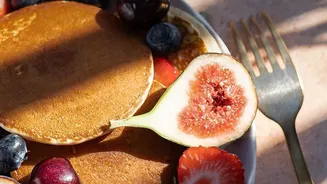
Pairing your ragi pancakes with fresh fruit is one of the best ways to enhance their nutritional value and taste. Unlike syrups or sugary sauces, fresh fruits provide natural sweetness along with a host of vitamins, minerals, and additional dietary fibre. Berries like strawberries, blueberries, and raspberries are excellent choices, packed with antioxidants and flavour. Sliced bananas are another classic topping, offering potassium and a creamy texture that complements the pancakes perfectly. Seasonal fruits like peaches or mango chunks can also add a delightful twist. Using fruit not only makes the dish more vibrant and appealing but also contributes to your daily fruit intake, supporting overall health without adding empty calories.
More Healthy Topping Ideas
While honey and fruit are excellent choices, don't be afraid to get creative with other healthy toppings. A dollop of Greek yogurt can add a tangy flavour and a boost of protein. For some healthy fats and a satisfying crunch, sprinkle a handful of chopped nuts like almonds or walnuts, or seeds such as chia or flax. You can also dust your pancakes with a bit of cinnamon for extra flavour without the sugar. For those who enjoy a savoury breakfast, you can even top the pancakes with a bit of nut butter. These additions not only enhance the taste and texture but also add layers of nutrition to your meal.