





The Shadow of a Troubled Past
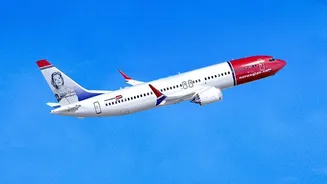
It is impossible to discuss any 737 MAX variant without acknowledging the family’s tragic history. Following two fatal crashes in 2018 and 2019 involving the MAX 8 model that killed a total of 346 people, the entire global fleet was grounded for nearly
two years. This unprecedented crisis triggered a complete overhaul of the FAA's certification processes and placed Boeing’s design and safety culture under an intense microscope. The MAX 7, which first flew in 2018, saw its path to approval dramatically altered and extended by these events, transforming what should have been a routine certification into a multi-year saga of redesigns and rigorous testing.
A New, More Rigorous Era of Scrutiny
The FAA's clearance for the MAX 7 is not the result of a simple rubber stamp. The approval came only after Boeing addressed several complex technical issues under the FAA's direct and sustained oversight. Key among these was a redesigned engine anti-ice system. Engineers had discovered that prolonged use of the system in dry air could cause the engine inlet to overheat and potentially compromise its structural integrity. Boeing was also required to update the flight control software and the flight crew alerting system to meet new, stricter safety standards enacted by the U.S. Congress in the wake of the MAX 8 disasters. The entire process involved nearly 700 hours of flight testing and 350 hours of ground testing to validate the fixes and ensure the aircraft meets all regulatory requirements.
The Smallest Member of the MAX Family
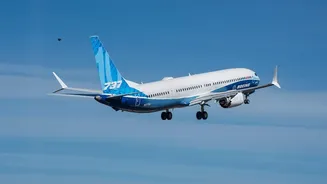
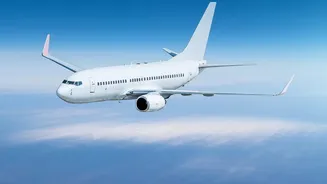
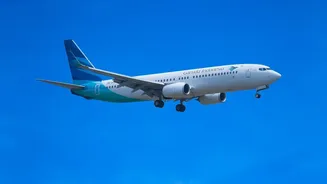
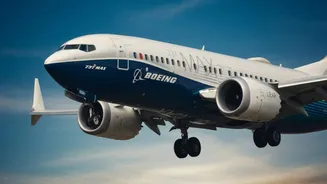
The 737 MAX 7 is the smallest variant in the MAX family, designed to seat between 135 and 160 passengers. It is also the longest-range model, capable of flying up to 3,800 nautical miles, making it ideal for airlines operating from challenging high-altitude or hot-climate airports. This particular model is hugely important for one key customer: Southwest Airlines. The U.S.-based carrier is the launch customer and accounts for the vast majority of the orders for the MAX 7, which it plans to use to replace its large fleet of older 737-700s. This near-total reliance on a single customer makes the MAX 7 a niche, but crucial, product for Boeing.
A Critical Commercial Milestone
For Boeing, this certification is a much-needed victory. It clears the way for the company to begin preparing its first MAX 7 aircraft for delivery to customers, which are expected to commence in 2027. This finally allows Boeing to start generating revenue from the dozens of MAX 7s that have already been built and parked while awaiting approval. In a letter to employees, Boeing Commercial Airplanes CEO Stephanie Pope acknowledged the "long and winding" journey and stated that the company has learned important lessons that are being applied to its other development programs. The FAA has confirmed its safety inspectors will remain on-site at Boeing's production facilities to closely monitor the manufacturing process and the company's safety culture.
What Lies Ahead for Boeing?
While the MAX 7 approval is a significant step, Boeing is not out of the woods yet. The largest member of the family, the 737 MAX 10, is still awaiting its own certification from the FAA. The MAX 10 faced many of the same technical hurdles as the MAX 7, including the engine anti-ice system redesign. Although Boeing has completed the certification flight testing for the MAX 10, a significant amount of data analysis and safety assessments remain before regulators give their final approval. Beyond the MAX family, the company is also navigating the complex certification for its new wide-body 777X. This approval for the MAX 7 represents a key part of Boeing's recovery, but the final chapter for its new generation of aircraft has yet to be written.