


An Ancient Technique, Rediscovered
Using a single stick to secure hair is far from a new trend; it’s an ancient practice with roots in cultures across the globe. From the ornate Kanzashi of Japan to carved bone pins found in Ancient Rome and Egypt, single-point hair accessories have been
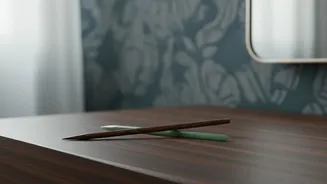
used for thousands of years to create elaborate and simple styles alike. The humble pencil is just a modern, accessible stand-in for these historical tools. This technique champions hair health by avoiding the high temperatures of styling irons that can weaken hair strands and the tension from tight elastics that can lead to breakage and even hair loss known as traction alopecia. By opting for a pencil, you are choosing a method that is gentle, effective, and free.
The Classic Pencil Bun: A Step-by-Step Guide
Mastering the basic pencil bun is surprisingly simple and takes less than a minute. This technique works best on medium to long hair. For a better grip, this style often holds better on hair that isn't freshly washed. Start by gathering your hair into a ponytail at the desired height—a low bun at the nape of the neck is often easiest for beginners. Twist the ponytail tightly into a rope. Next, coil this twisted rope of hair around its base to form a neat bun, tucking the ends underneath. Now, take your pencil. Push the point up through the bottom edge of the bun, ensuring it goes through the bun and grazes your scalp. Once the point emerges from the top of the bun, flip the pencil so it points downward. Finally, push the pencil down along your scalp until it emerges securely at the bottom of the bun, locking everything in place.
Adapting the Updo for Your Hair Type
The beauty of the pencil updo lies in its adaptability. Those with very thick or long hair may benefit from using a longer, sturdier pencil or even a chopstick for a more secure hold. Creating a double-twist bun can also help manage extra volume. For those with fine or silky hair that struggles to hold a style, preparation is key. A light mist of texturizing spray or a bit of dry shampoo can add the necessary grit for the pencil to grip onto. An alternative method for fine hair is to first secure the ponytail with a thin hair tie before twisting and pinning it. For shoulder-length hair, a smaller bun or a half-up style might be more achievable.
Pro Tips for a Flawless Finish
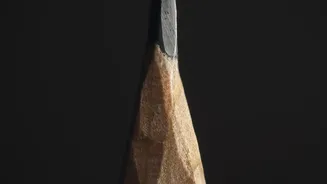
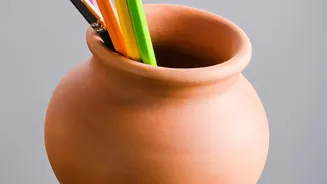
A few small adjustments can make a big difference in the longevity and look of your pencil updo. First, choose your tool wisely. A pencil that is smooth and unsharpened is ideal to prevent snagging or scratching your scalp. Some people use colorful pencils for a fun pop of color that makes the accessory part of the look. For a deliberately casual, "messy bun" aesthetic, don't coil the hair too tightly. Once the pencil is secured, you can gently tug at small sections of the bun and pull out a few face-framing pieces to create a softer, more effortless vibe. If you have particularly slippery hair or plan on being active, an extra bobby pin hidden underneath the bun can provide additional insurance against it coming undone.
Beyond the Bun: Other Pencil-Friendly Styles
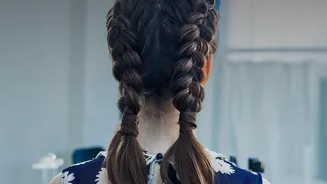
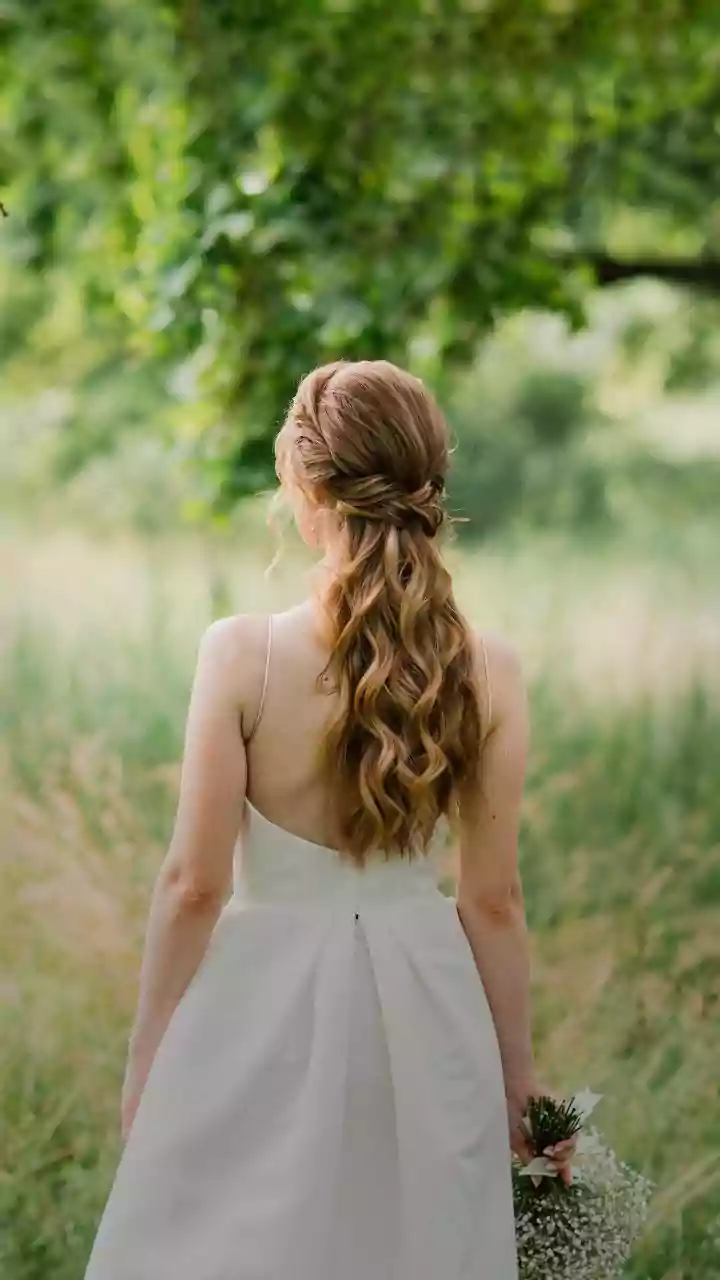
The pencil isn't just a one-trick tool. Once you master the classic bun, you can experiment with other elegant updos. A French twist can be held in place by weaving a pencil through it vertically. A half-up style is another great option, gathering the top section of your hair, twisting it, and securing it with a pencil for a quick and chic look. You can even incorporate braids by first braiding your ponytail, coiling the braid into a bun, and then securing it with the pencil for added texture and security. Each variation offers a stylish way to keep your hair up without resorting to damaging elastics or heat.