




1. Beetroot: The Vibrant Powerhouse
With its stunning ruby colour, beetroot is a feast for the eyes before it even reaches your plate. It's naturally low in calories but packed with essential nutrients like fibre, folate, and manganese. The fibre content helps you feel full and satisfied,
which is a major advantage when managing your calorie intake. Beetroots have an earthy, sweet flavour that deepens when cooked. For a simple and beautiful side dish, toss cubed beetroot with a little olive oil and herbs, then roast until tender. You can also grate it raw into salads for a vibrant crunch or blend it into a brilliantly coloured hummus. Its natural sweetness also makes it a surprisingly delicious addition to healthy smoothies and even baked goods.
2. Turnip: The Underrated Substitute
Often overlooked, the humble turnip is a fantastic low-calorie, low-carb alternative to potatoes. A cup of mashed turnips contains significantly fewer calories than the same amount of mashed potatoes, but still delivers a creamy, satisfying texture. Turnips are high in fibre and Vitamin C, supporting both digestion and immunity. While they have a slightly peppery, pungent flavour when raw, cooking mellows them into a mildly sweet and earthy vegetable. Roasting is one of the best ways to bring out their flavour; simply cut them into wedges, toss with spices like paprika and garlic powder, and roast until golden brown. They can also be mashed with a little butter and herbs, pan-fried with other vegetables, or added to hearty soups and stews.
3. Celeriac: The Gnarly Knockout
Don't be put off by its rough, knotted appearance. Celeriac, also known as celery root, is a culinary gem that’s incredibly versatile. It boasts a low calorie and carbohydrate count, making it another excellent substitute for potatoes. Rich in fibre and vitamins K and C, it’s a nutritional powerhouse. Its flavour is a subtle blend of celery and parsley with nutty undertones, which becomes sweeter upon cooking. Celeriac can be eaten raw; try it julienned in a classic French remoulade for a crunchy, refreshing slaw. When cooked, it’s wonderful roasted, or boiled and mashed into a silky-smooth puree. Its creamy texture also makes it a perfect base for rich, low-calorie soups.
4. Radish: The Peppery Crunch
Typically eaten raw in salads, radishes transform completely when cooked, making them a surprisingly versatile ingredient for hot meals. They are extremely low in calories and high in water content, with a peppery kick that adds excitement to dishes. When you sauté or roast them, their spiciness mellows significantly, and they develop a tender, juicy texture. For a quick side dish, quarter radishes and pan-fry them in a little olive oil and garlic powder until they are tender-crisp. Roasted radishes are also a wonderful addition to a medley of other root vegetables, adding a pop of colour and a unique, mild flavour. Their crunch and colour make any meal visually more appealing.
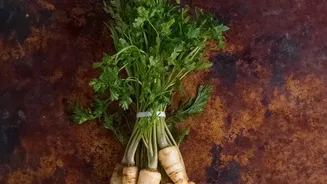
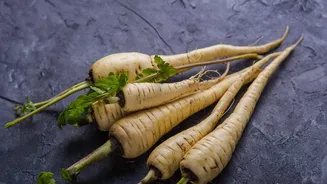
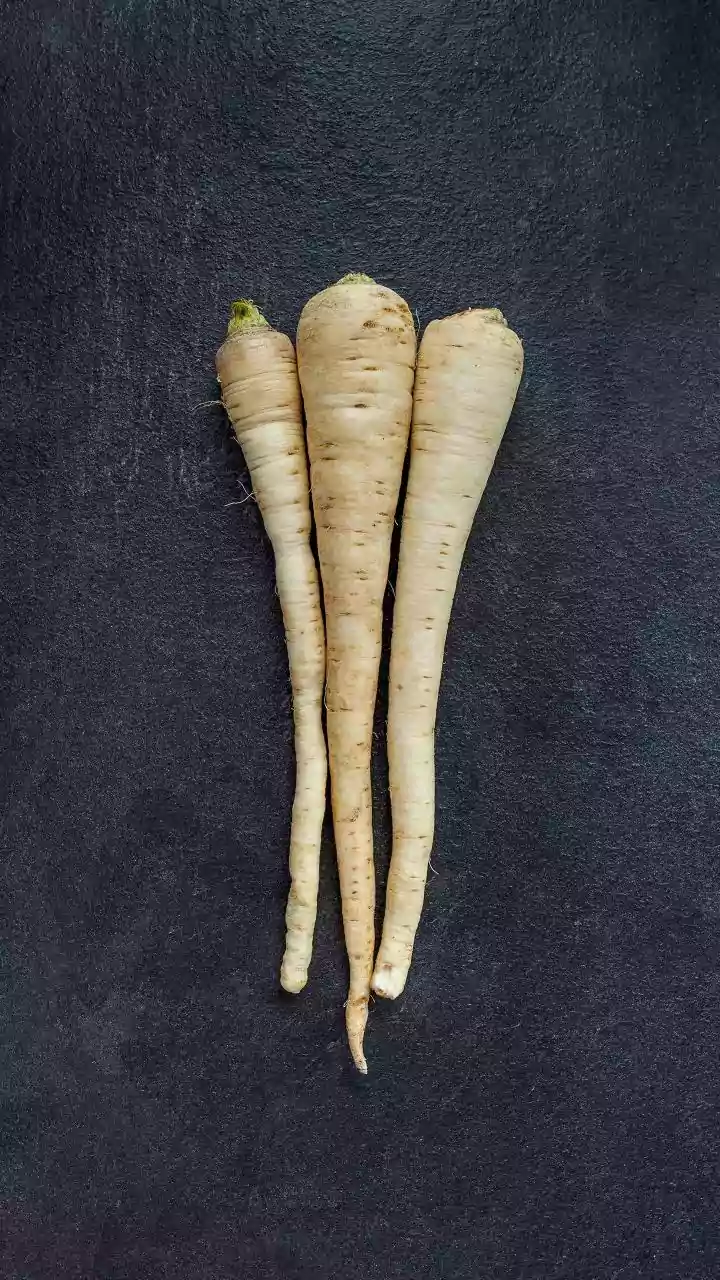
5. Parsnip: The Sweet and Earthy Carrot Cousin
Looking like a pale carrot, the parsnip offers a distinctly different flavour profile that is sweet, nutty, and earthy, especially after a frost. Parsnips are a great source of fibre, potassium, and antioxidant vitamin C. The high fibre content aids in digestion and helps regulate blood sugar, preventing spikes. While they are a starchy vegetable, their natural sweetness means you don't need to add many other high-calorie ingredients to make them taste great. Roasting is a popular preparation method that caramelizes their natural sugars, creating a deliciously sweet and tender result. They can also be pureed into creamy soups, mashed as a side dish, or even sliced thinly and baked into healthy crisps.