





For City Culture: Sydney's Icons vs. Melbourne's Laneways
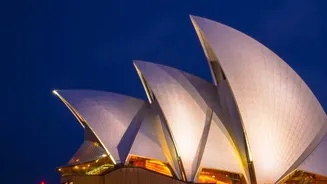
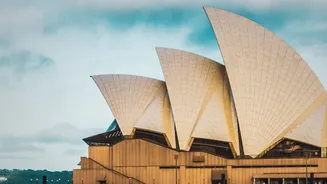
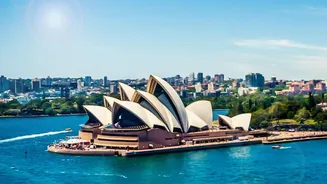
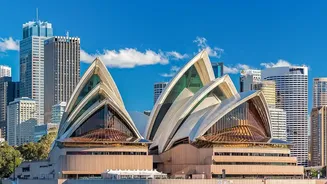
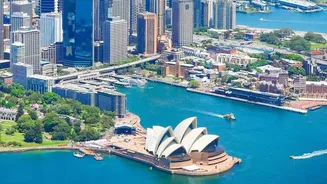
Sydney's magnificent harbour, with the Opera House and Harbour Bridge standing as sentinels, is an undeniable must-see. The ferry ride to Manly, the coastal walk from Bondi to Coogee, and a drink with that world-class view are essential first-timer experiences.
They deliver that 'I've arrived' feeling. But once you've captured the postcard moments, consider diving into a different kind of urban magic. Melbourne, often seen as Sydney's sophisticated rival, offers a more intimate and creative energy. Its heart beats not in a single harbour, but in a sprawling network of laneways and arcades. Here, world-class coffee shops are tucked into graffiti-adorned alleys, independent boutiques hide behind unassuming doors, and vibrant street art makes every corner a discovery. Swapping a day of Sydney's beach-centric buzz for a day getting lost in Melbourne's creative maze provides a wonderful contrast between grand-scale nature and human-scale artistry.
For Underwater Wonders: The Great Barrier Reef vs. Ningaloo Reef
The Great Barrier Reef is the planet's largest living structure, a sprawling universe of coral and marine life that rightfully tops global travel lists. A trip to witness its scale and diversity is a profound experience. However, its popularity also means crowds and a more structured, tour-based approach. For a different, more intimate encounter with Australia's underwater world, head west to Ningaloo Reef. As the world's largest fringing reef, its main advantage is accessibility; you can literally walk from the beach and snorkel into a coral garden teeming with life. While the Great Barrier Reef stuns with its sheer size, Ningaloo offers a more laid-back and often more personal experience with smaller tour groups. It’s especially famous for the opportunity to swim alongside gentle whale sharks (in season), manta rays, and turtles in a setting that feels less like a tourist hotspot and more like a pristine natural aquarium.
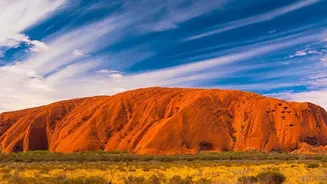
For the Spiritual Outback: Uluru vs. The Flinders Ranges
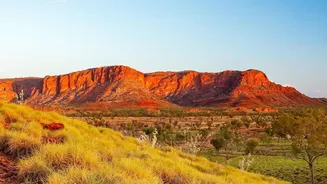
The majestic presence of Uluru in the Red Centre is a deeply spiritual and visually stunning experience. Watching the monolith change colours at sunrise and sunset is a core Australian memory. The cultural significance to the Anangu people and the sheer scale of the rock are humbling. But the Outback's soul is not confined to one location. For a journey into ancient landscapes with a fraction of the crowds, the Flinders Ranges in South Australia offer a spectacular alternative. This rugged mountain range, older than Uluru itself, is a geological marvel filled with dramatic gorges, abundant wildlife, and rich Aboriginal history. A drive through Brachina Gorge Geological Trail is like turning the pages of Earth's history. You can explore the natural amphitheatre of Wilpena Pound, discover ancient rock art, and feel a profound sense of isolation and connection to the land that is central to the Outback experience.
For the Epic Road Trip: Great Ocean Road vs. Tasmania's East Coast
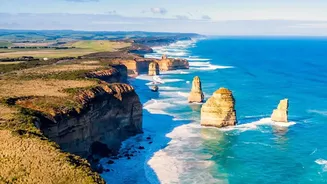
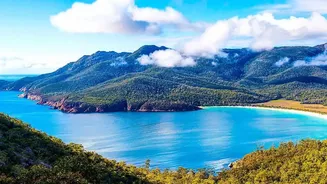
The Great Ocean Road in Victoria is one of the world's most famous coastal drives, known for the iconic Twelve Apostles rock formations and breathtaking cliffside views. It's a journey of charming seaside towns and dramatic scenery. Yet, for those seeking a similar coastal thrill with a wilder, more serene feel, Tasmania's Great Eastern Drive is a compelling choice. This route stretches along an uncrowded coastline of pristine white-sand beaches, like the world-renowned Bay of Fires, and turquoise waters. It provides access to Freycinet National Park, home to the flawless curve of Wineglass Bay, and is dotted with opportunities to sample fresh seafood and cool-climate wines. While the Great Ocean Road is a celebrated and often busy journey, Tasmania's east coast offers a road trip experience defined by space, tranquillity, and the feeling that you have stumbled upon one of the world's last truly unspoiled coastlines.