






What is Purpose-Free Travel?
At its core, purpose-free travel—often called 'anti-itinerary' travel—is a conscious rejection of the pressure to optimise a vacation. It swaps a minute-by-minute schedule for a philosophy of openness. Instead of a trip defined by a rigid list of landmarks
to conquer, meals to book, and photo opportunities to stage, this approach prioritises spontaneity, discovery, and the freedom to simply be. It is not about having no plan at all, but rather about leaving significant room for the unexpected. This might mean booking a flight and first night's accommodation but leaving the rest of the days fluid, guided by local advice, a sudden curiosity, or the simple desire to linger longer in a place that feels right. It’s a shift from travel as consumption to travel as experience, where the most memorable moments are often the ones that could never have been scheduled.
A Reaction to the Hyper-Optimised Life
The rise of purpose-free travel isn't happening in a vacuum. It’s a direct response to modern life, which is often governed by productivity, schedules, and digital overload. When even our leisure time becomes another project to manage, the joy can quickly drain away. Psychologists note that when a leisure activity is heavily planned, it can start to feel like a chore, taking on the characteristics of a work task. The result is a growing desire among travellers to reclaim a sense of freedom and escape the constant pressure to perform. Recent travel reports from 2026 highlight a significant shift in priorities. Travellers are increasingly seeking rest over rush, quiet over crowds, and a genuine connection to place. This mindset is particularly strong among younger generations like Gen Z and Millennials, who value flexibility and experiences that contribute to personal growth and well-being.
The Latest Developments: Embracing the Unexpected
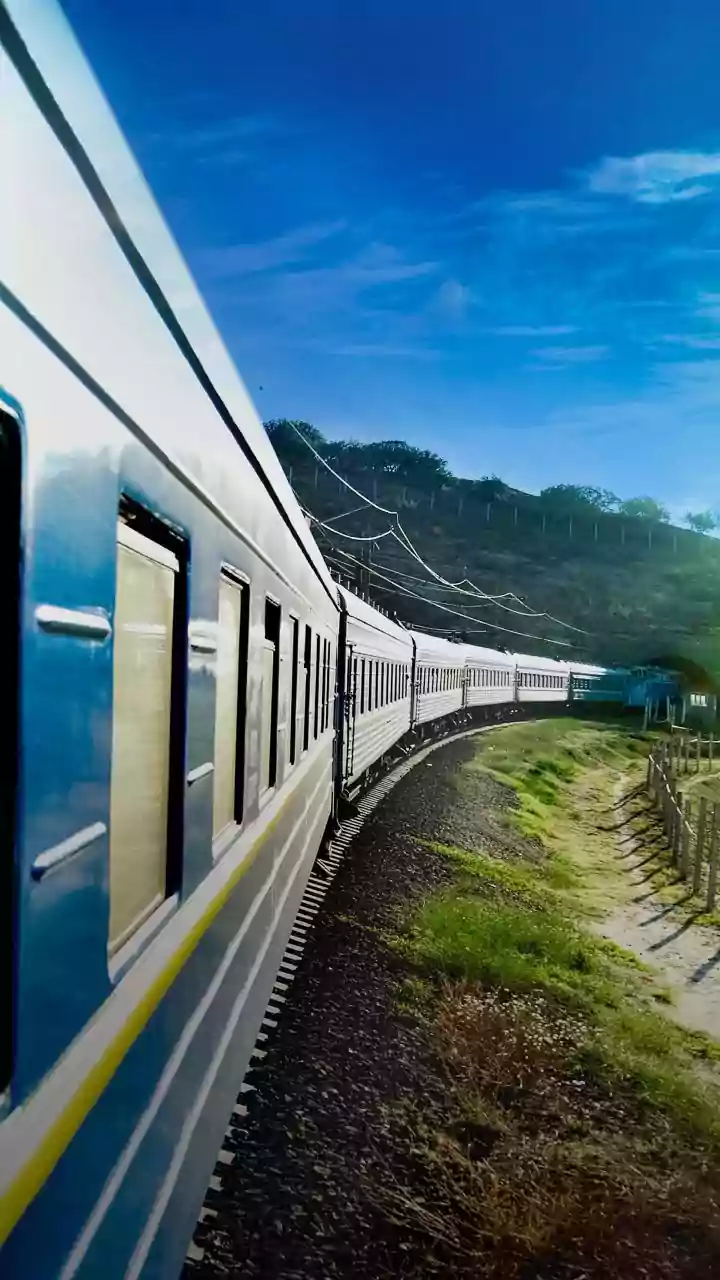
The latest evolution in this trend moves beyond just a mindset and into tangible tools and habits. One key development is the rise of 'anti-itinerarists' who deliberately slow down to find magic in the gaps of their journey. This is supported by a growing sentiment to leave room for the unexpected, with one 2026 report finding that 87% of travellers like to keep their itineraries flexible for spontaneous local discoveries. In practice, this takes many forms. Some travellers are adopting the 'one station early' trick, where they intentionally get off public transport a stop before their destination to explore the residential life that exists between the landmarks. Others are embracing 'slow travel', choosing overland routes like trains instead of flights to make the journey itself part of the adventure. This is often tied to sustainability, with flight-free travel bookings surging in recent years. Even the concept of 'playcations'—shorter, domestic trips centred on hobbies—reflects this desire for less structured, more personally fulfilling breaks.
How to Try Purpose-Free Travel
Embracing this ethos doesn't require you to book a one-way ticket to an unknown continent. You can start small. For your next trip, try applying the 50/50 rule: schedule one key activity for the morning, but leave the entire afternoon completely unplanned. Resist the urge to fill the void. Instead, wander without a map, follow a street that looks interesting, or sit in a local cafe and simply watch the world go by. Another approach is to lean into curiosity. Instead of relying on top-ten lists, ask a local shopkeeper or barista for their favourite spot in the city. You could also challenge yourself to explore a neighbourhood that isn’t mentioned in your guidebook. The goal is to create opportunities for serendipity. It's about trading the security of a plan for the thrill of discovery, reminding yourself that the best travel stories often begin with a wrong turn or a change of plans.