

The Science of an Alpine Lift
Paragliding isn't simply about jumping from a high place; it's the art of riding invisible currents of rising air. The French Alps are a world-renowned destination because their geography creates these currents with remarkable consistency, but only when
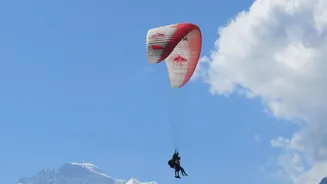
the conditions are right. The secret lies in 'thermals', which are columns of warm air that rise from the ground as it's heated by the sun. Pilots use these thermals to gain altitude and prolong their flights, sometimes for hours. Spring and summer provide the two key ingredients for strong, reliable thermals: long days with powerful sunshine and the right temperature differences between the valleys and the snow-capped peaks. This seasonal sweet spot transforms the Alps into a spectacular playground for pilots of all levels.
Spring: Powerful and Dynamic Flying
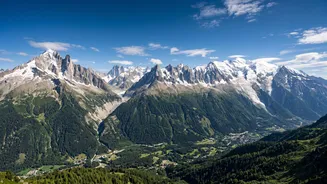
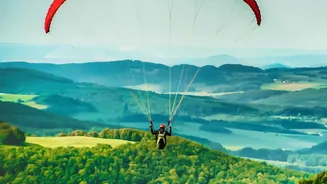
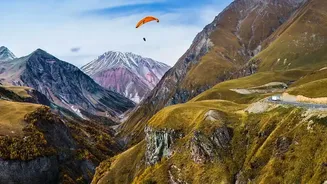
Spring, from roughly March to June, is when the Alps awaken. As the sun gets stronger, the still-snowy peaks remain cold while the greening valleys absorb heat. This significant temperature contrast generates powerful, punchy thermals. For experienced pilots, this season offers some of the most dynamic flying, allowing for long cross-country journeys against a stunning backdrop of snow-dusted mountains and vibrant green meadows. The air can be more turbulent, making it a thrilling time for those with the skills to handle it. For beginners, flights are often best in the calmer morning or evening air, still offering breathtaking views and a taste of the alpine magic.
Summer: The Grand Season of Soaring
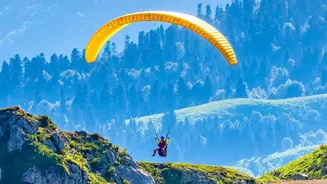
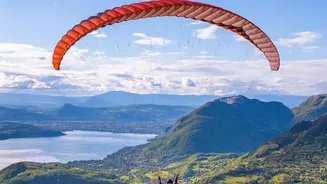
Summer, particularly July and August, is the peak season for paragliding in the Alps. The weather is generally more stable, and the sun's sustained heat creates well-developed thermals that can lift pilots to impressive altitudes, often above 3,000 meters. This allows for the longest flights and is the prime time for cross-country adventures. Another key feature of summer flying is the development of predictable 'valley winds'. As the mountain slopes heat up, air is drawn up from the valleys, creating a gentle, reliable breeze that makes launching and soaring easier. Famous sites like Chamonix, with its views of Mont Blanc, and Annecy, with its crystal-clear lake, become bustling hubs of activity, attracting pilots from across the globe.
Why Other Seasons Are Different
While flying is possible year-round, autumn and winter present different conditions. In autumn, the days shorten and the sun's angle is lower, leading to weaker and less frequent thermals. However, the air is often smooth and the autumn colours create a magnificent spectacle, making it a favorite for pilots seeking calm flights. Winter flying is a unique experience, often involving taking off on skis. The air is typically very calm and smooth due to the cold, stable conditions, but thermals are rare, meaning most flights are shorter descents. The reward is the unparalleled serenity of gliding over a silent, snow-covered world.
Planning Your Alpine Flight
For anyone dreaming of an alpine paragliding trip, the period from May to September offers the most reliable conditions. Late spring provides strong lift and fewer crowds, while the peak summer months offer the warmest weather and highest flights. Popular destinations like Annecy, Chamonix, and Saint-Hilaire-du-Touvet have numerous certified schools offering tandem flights for beginners and courses for licensed pilots. Regardless of when you go, a successful flight always depends on the weather of the day. All reputable schools and pilots will rigorously check forecasts for wind, precipitation, and thermal stability before taking to the air.