




From Souvenirs to Stories
There's a fundamental shift happening in how younger generations, particularly Millennials and Gen Z, view travel. The focus is moving away from accumulating possessions towards collecting experiences. A recent report noted a sharp pivot from traditional
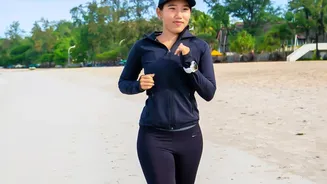
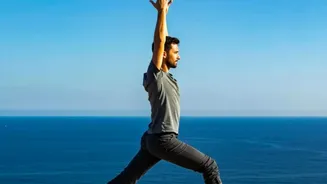
holidays to trips that prioritise personal growth and challenges. This generation is more likely to spend on a memorable activity than a luxury object, and travel is the ultimate stage for creating these memories. This is especially true for Gen Z, with one survey finding 47% had recently built a vacation around a health activity. The goal is no longer just to see a place, but to do something remarkable there.
The Rise of the 'Gymcation'
The growing wellness economy in India is a major driver of this trend. The Indian fitness industry is projected to more than double by 2030, growing from roughly INR 16,200 crore in 2024 to INR 37,700 crore. This isn't just about more gyms; it's a cultural shift. Fitness is becoming a core part of identity for many young urban professionals, something they don't want to pause for a holiday. The concept of a 'Gymcation,' a term highlighted by travel platform Skyscanner, reflects the desire to integrate, rather than abandon, fitness routines while travelling. For many, a vacation that disrupts their fitness goals feels counterproductive, especially when exercise is a primary tool for managing burnout.
Adventure is the New Mainstream
What was once considered niche is quickly becoming mainstream. Adventure tourism in India, valued at over USD 24 billion in 2026, is projected to grow at over 17% annually. This growth is fuelled by young domestic adventurers seeking immersive, nature-based experiences. Trekking, in particular, has seen a huge surge in popularity. One of India’s largest operators saw a 60% increase in participants between 2020 and 2025. Destinations like Ladakh and other Himalayan states are booming, not just for their beauty, but for the challenging terrain and sense of accomplishment they offer. This demand is being met by both government initiatives to develop trails and a rise in operators offering everything from cycling tours to water sports.
Fuelled by Social Feeds
The influence of social media cannot be overstated. Platforms like Instagram and YouTube are primary sources of travel inspiration for young Indians. A stunning photo of a sunrise from a Himalayan trek or a video of surfing in Goa is a powerful motivator. This visual-first discovery process naturally favours active, scenic, and aspirational travel experiences over static resort stays. It's not just about influencers; user-generated content from peers is highly trusted and validates the appeal of these active holidays. The desire to capture and share these unique, experience-based moments is a significant factor driving the trend.
A Market Ready to Deliver
The travel industry is responding to this demand. Boutique fitness studios offering specialised workouts like MMA, Pilates, and high-intensity training are the fastest-growing segment of the fitness market. This signals a consumer base willing to pay for personalised and community-driven experiences, a preference that extends to travel. We are seeing a rise in niche travel companies that cater specifically to this market, offering curated yoga retreats, surf camps, and guided treks. This move away from one-size-fits-all tourism allows for more authentic and immersive trips built around a specific goal, whether it's running a marathon in a new city or attending a martial arts camp in Thailand.