
The Power of Drumstick and Dal
At the heart of this soup are two quintessential Indian ingredients: drumstick and dal. The drumstick, or 'sahjan ki phali', is the pod of the Moringa oleifera tree, often called the “miracle tree” for its dense nutritional profile. Packed with vitamins
C and A, calcium, and iron, drumsticks are celebrated for their ability to boost immunity, support bone health, and aid digestion. They have a unique, slightly grassy flavour and a tender texture when cooked. Paired with dal (lentils), this soup becomes a complete protein source. We will use a mix of toor (pigeon pea) and moong dal for a creamy, comforting base that is both filling and easy to digest.
Gathering Your Ingredients
This recipe is flexible, but here are the core components for a flavourful soup. For four servings, you will need: about 1/2 cup of toor dal and 2 tablespoons of moong dal, washed and soaked for 30 minutes; two fresh drumsticks, washed and cut into 3-inch pieces; one medium onion and one large tomato, both chopped; a small piece of ginger and a few cloves of garlic, minced; one or two green chillies, slit; a small lemon-sized ball of tamarind soaked in warm water; and a handful of fresh coriander leaves. For the spices, you’ll need turmeric powder, red chilli powder, sambar powder (optional, but recommended for a South Indian flavour), mustard seeds, cumin seeds, a pinch of asafoetida (hing), and salt to taste.
Step 1: Cooking the Base
The foundation of this soup is perfectly cooked dal and vegetables. Start by pressure cooking the soaked toor and moong dal with a pinch of turmeric powder and two cups of water until they are completely soft and mushy, which usually takes about 4-5 whistles. While the dal is cooking, you can prepare the drumsticks. In a separate pot, add the cut drumstick pieces, chopped onion, tomato, and green chillies. Pour in about two cups of water, enough to cover the vegetables. Bring this to a boil and let it simmer for about 15-20 minutes, or until the drumsticks are tender but still hold their shape. The flesh inside should be soft when pierced with a fork. Once cooked, mash the dal lightly.
Step 2: Building the Flavours
Now, it's time to bring everything together. To the pot with the cooked drumsticks and vegetables, add the mashed dal. Squeeze the soaked tamarind to extract its juice and pour this tangy liquid into the pot, discarding the pulp. Stir in the salt, a teaspoon of jaggery (to balance the sourness), turmeric powder, red chilli powder, and sambar powder if you are using it. Mix everything gently and let the soup simmer on low heat for another 10 minutes. This allows the flavours to meld together, with the dal absorbing the tang of the tamarind and the unique taste of the drumsticks.
Step 3: The Final Tadka
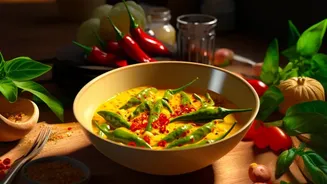
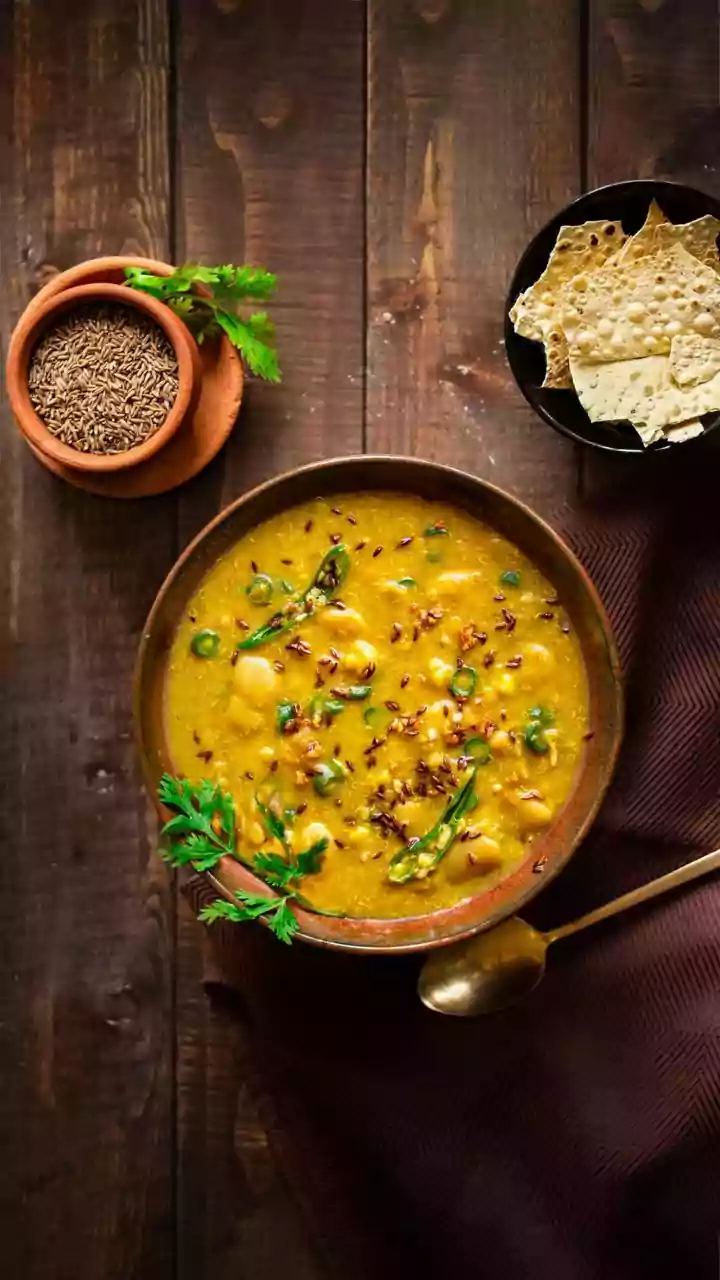
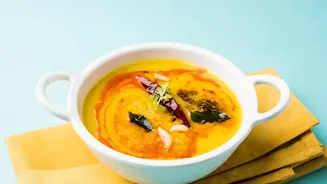
No Indian dal or soup is complete without the final tempering, or 'tadka'. This last step infuses the dish with a beautiful aroma and depth of flavour. Heat a tablespoon of ghee or oil in a small pan. Once it's hot, add the mustard seeds and let them splutter. Immediately add the cumin seeds, a broken dried red chilli, and a pinch of asafoetida. Sauté for just a few seconds until fragrant, then add a sprig of curry leaves, being careful as they will splutter. Pour this sizzling tadka directly into the simmering soup. Give it one final stir, garnish with freshly chopped coriander leaves, and your drumstick dal soup is ready.
Serving and Variations
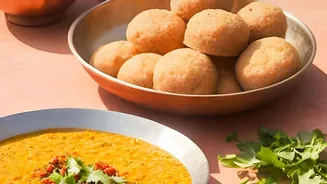
This drumstick and dal soup is wonderfully versatile. It can be served as a hearty, standalone soup, perfect for a light dinner or a comforting meal on a rainy day. It also pairs beautifully with steamed rice, acting more like a traditional sambar or dal. For a thinner consistency, simply add a little more hot water. You can also add other vegetables like carrots or shallots along with the drumsticks for extra nutrition and flavour. Some variations even call for a spoonful of fresh grated coconut added at the end for a richer, creamier texture. The best way to eat the drumstick pieces is to pick them up and suck the tender pulp and seeds from the fibrous casing.