





The Kolkata Benchmark
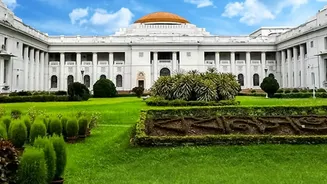
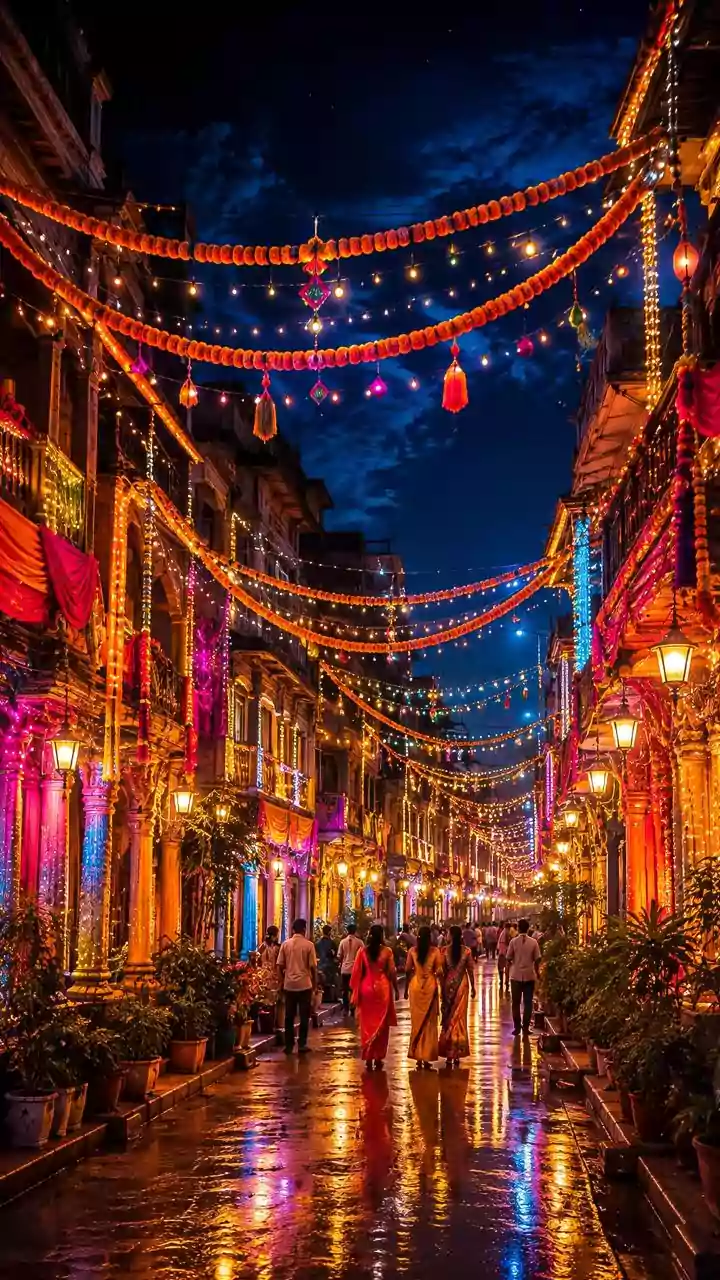
For decades, Durga Puja has been synonymous with Kolkata. It's an event that transforms the city into a living, breathing art gallery, recognized by UNESCO as an Intangible Cultural Heritage of Humanity. The experience is a total sensory immersion: the rhythmic
beat of the dhak, the fragrance of shiuli flowers and incense, and the sight of thousands of themed pandals, each a marvel of artistry and social commentary. Travel during this period has traditionally been a mass homecoming, with Bengalis from across India and the world flocking to the city to reunite with family and soak in the unparalleled festive atmosphere. This annual pilgrimage set the standard, making a trip 'home' to Kolkata for Puja an almost sacred ritual for many.
Delhi's Cosmopolitan Celebration
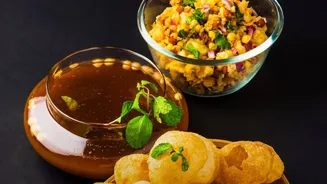
If any city comes close to rivaling Kolkata's festive spirit, it's Delhi. The capital, with its large Bengali population, has cultivated a Puja culture that is both deeply traditional and uniquely its own. The epicenter of this is Chittaranjan Park, fondly known as C.R. Park or 'mini Kolkata'. Here, the lanes are filled with pandals, Bengali script, and food stalls selling everything from fish cutlets to puchkas, creating an atmosphere that feels airlifted from West Bengal. However, Delhi's celebrations extend far beyond C.R. Park, with historic pujas at Kashmere Gate and grand installations in Safdarjung Enclave and Mayur Vihar. This has changed travel dynamics significantly. For many in North India, Delhi is now the more accessible destination to experience authentic Puja festivities. Instead of a long journey to Kolkata, a shorter trip to the capital offers a vibrant, star-studded, and culturally rich alternative.
Guwahati's Northeastern Grandeur
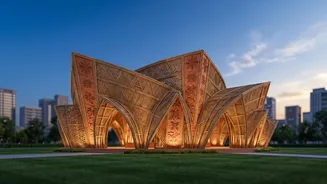
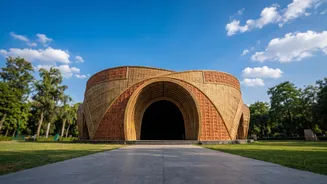
In the east, Guwahati has emerged as another major hub, offering a version of Durga Puja that is infused with a distinct regional identity. While it shares the core rituals with Bengal, Assam's celebrations incorporate local art forms, music, and traditions. Pandals in Guwahati are famous for their innovative and often massive themes, sometimes recreating famous temples or highlighting local heritage through bamboo craftsmanship. Folk dances like Bihu and performances of 'Oja Paali' are often part of the cultural evenings, giving the festival a unique Assamese flavour. The immersion processions on Dashami in the mighty Brahmaputra river are a sight to behold. For people across the Northeast, Guwahati serves as a festive capital. It has become the primary destination for celebrating Puja, reducing the need to travel further to Kolkata and fostering a powerful sense of regional community and pride during the festive season.
A New Map of Festive Travel
The rise of Delhi and Guwahati as major Puja centres reflects a broader shift. The festival has decentralized. No longer is travel a one-way street to Kolkata. Probashi Bengalis (those living outside Bengal) in and around these new hubs now have compelling reasons to stay put, hosting family and friends themselves and reversing the traditional flow of travel. For non-Bengalis, these cities offer an immersive cultural experience without the logistical challenges of travelling to a completely overwhelmed Kolkata. This has created a new map of festive travel, where regional hubs cater to their surrounding populations. This shift is not just about convenience; it signifies the organic growth of a culture that thrives wherever its people settle, creating new homes for old traditions and inviting everyone to join the celebration.