

The vada is a superstar of the Indian breakfast table. Crispy on the outside, soft and fluffy inside, this savoury lentil fritter is pure comfort. But a vada is only as good as the company it keeps. Let's build the perfect plate.
The Heart of the Meal: Choosing Your Vada
When we talk about a vada
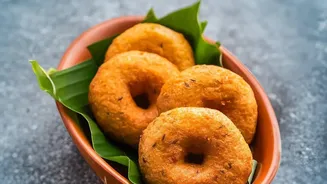
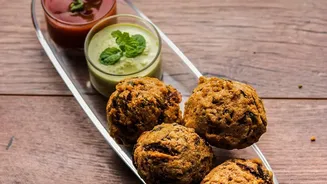
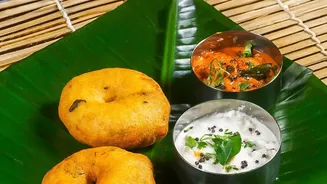
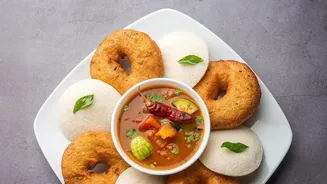
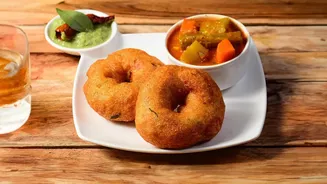
breakfast, we're usually picturing the iconic Medu Vada. This doughnut-shaped delight, made from a fermented batter of urad dal (black gram), is famous for its delightful textural contrast. The name itself, with 'medu' meaning soft in Kannada, points to the pillowy interior that awaits beneath the golden, deep-fried crust. Spiced with ingredients like green chillies, ginger, curry leaves, and sometimes chopped coconut, it’s flavourful enough to stand on its own. While medu vada is the undisputed champion of the breakfast platter, another excellent option is the Masala Vada. Also known as parippu vada, this version is made with toor dal (split pigeon peas) or chana dal and has a rougher, more rustic texture. It’s flatter, disk-shaped, and typically crunchier, offering a different but equally satisfying experience.
The Soulful Sidekick: Aromatic Sambar
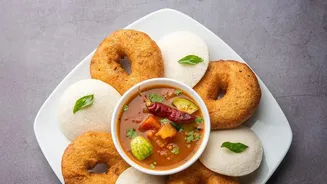
No vada is complete without a generous bowl of sambar. This lentil and vegetable stew is the quintessential accompaniment, and its tangy, spiced flavour profile is the perfect counterpoint to the rich, fried vada. For breakfast, a 'tiffin sambar' is often preferred. It tends to be slightly thinner and lighter than the sambar served with rice. Udupi-style sambar, known for its balance of sweet (from jaggery), sour (from tamarind), and spice, is a fantastic choice for dipping. The magic happens when the vada soaks up the sambar, becoming soft and infused with flavour. Key ingredients that make a sambar memorable include drumsticks, pearl onions (shallots), and a fragrant tempering of mustard seeds and curry leaves.
The Flavour Boost: A Trio of Chutneys
Chutneys add a burst of fresh, concentrated flavour that elevates the entire meal. While you can serve just one, a trio offers a wonderful variety of tastes and textures. The most classic pairing is a simple Coconut Chutney. Made from fresh or desiccated coconut, green chillies, and a touch of roasted gram dal, it’s creamy, mildly spicy, and cools the palate. Next is a vibrant red or orange chutney, typically made from tomatoes and onions. This chutney brings a tangy and slightly sweet dimension to the plate. For a third option, a fresh green chutney made from coriander or mint adds a zesty, herbaceous kick that cuts through the richness of the fried vada. Each chutney interacts with the vada and sambar in a unique way, making every bite a new experience.
Building a Familiar Platter
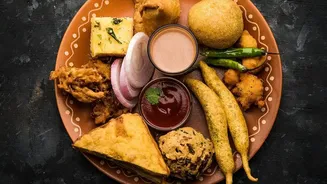
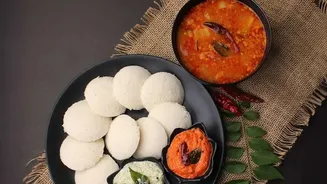
The 'familiar sides' in a vada breakfast often mean creating a mini breakfast platter, or 'tiffin'. A common and beloved combination is 'idli-vada', where soft, steamed rice cakes share the plate, offering a soft texture to contrast with the vada's crispness. Another popular addition is a small serving of Ven Pongal, a savoury and creamy dish made from rice and moong dal, seasoned with black pepper and cumin. For a touch of spice, a spoonful of 'podi' (a dry spice powder) mixed with ghee or sesame oil is perfect for dipping idlis. To round out a truly special weekend brunch, you might even find a scoop of Upma (a savoury semolina dish) or a sweet counterpart like Kesari Bhath (semolina halwa) on the platter.