




God's Own Garden
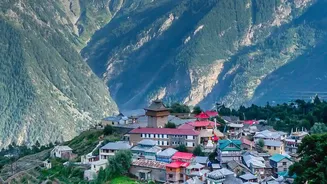
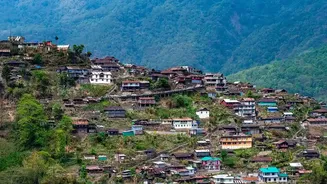
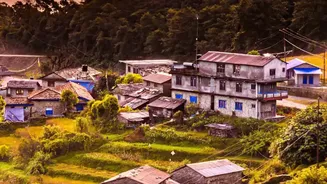
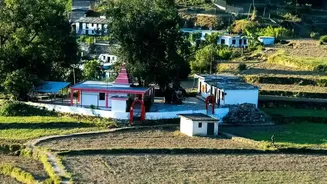
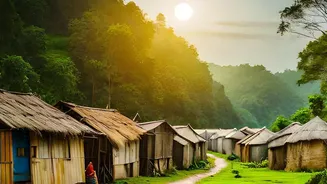
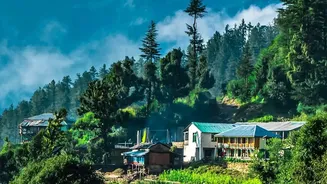
Nestled in the East Khasi Hills of Meghalaya, about 90 kilometres from Shillong, Mawlynnong is a small village with a giant reputation. In 2003, Discover India magazine bestowed upon it the title of "Asia's Cleanest Village," and a nickname, "God's Own
Garden," followed suit. This wasn't the result of a government scheme, but a way of life. For generations, the Khasi community here has woven cleanliness into their cultural fabric. Bamboo dustbins line every lane, plastic is shunned, and waste is meticulously segregated, with organic matter turned into compost. Children learn to sweep the streets and tend to the gardens as part of their daily routine, a collective responsibility that has made the village a benchmark for sustainable living.
The Price of Fame
The accolades brought a stream of tourists, which quickly became a flood. For a village of just over 100 households, the influx was transformative. Tourism became the primary source of income, lifting many families from agricultural work into running homestays, restaurants, and souvenir shops. But the fame came at a cost. On peak days, visitor numbers could swell to over a thousand, far outnumbering the local population of around 600. The pressure on the village's modest infrastructure grew, and so did the challenges of managing waste left by visitors who didn't share the local ethos. The quiet, community-focused rhythm of life began to erode under the weight of constant footfall.
A Day of Rest and Faith
After years of deliberation, the village council, or Dorbar Shnong, made a decisive move. Starting in January 2026, Mawlynnong is closed to all day-trippers every Sunday. A small sign at the entrance politely informs visitors of the new rule. The reasoning is simple yet profound. The predominantly Christian community wanted to reclaim Sunday for faith, family, and rest. The constant flow of tourists was disrupting church services and leaving residents with no real break from their hosting duties. As many shops and eateries were already closed on Sundays out of practice, the official rule also prevents visitors from arriving only to find limited services.
A Lesson in Sustainable Tourism
The Sunday closure is not a ban on tourism. Guests who are already staying in the village's homestays are welcome to remain. The rule specifically targets the busloads of day visitors who make the trip from Shillong and other nearby areas. The village council communicated the change to tour operators and taxi drivers to manage expectations. This decision is a powerful statement on sustainable tourism. It prioritises the well-being of the host community and the preservation of the cultural environment that attracts visitors in the first place. By taking one day off, the residents of Mawlynnong hope to ensure their home remains the pristine, peaceful sanctuary it has always been, protecting both their lifestyle and the village's long-term appeal.