


India’s electric vehicle market posted huge year-on-year growth in October 2026, but a small dip from September has analysts looking closer. The real story isn't just the surge, but where the data comes from—and why that matters more than ever.
The October Sales Picture
India's
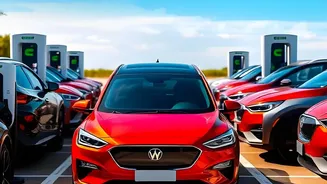
electric passenger vehicle segment saw a dramatic 76.47% year-on-year (YoY) increase in retail sales, with 37,049 units sold in October 2026 compared to 20,995 in October 2025. This surge highlights a powerful shift in consumer preference. However, the numbers show a slight 2.61% month-on-month (MoM) increase from the 36,108 units sold in September 2026, indicating that the festive momentum was strong but not explosive on a monthly basis. Despite the overall passenger vehicle market seeing a decline, the EV segment's share grew to 7.3% of all car sales, more than double its 3.5% share a year prior. This demonstrates that EV demand is not just growing, but is actively bucking wider market trends.
Retail vs. Dispatch: Why FADA Data Matters
The headline numbers come from the Federation of Automobile Dealers Associations (FADA), which tracks retail sales—vehicles sold by dealers to customers and registered. This is a crucial distinction from manufacturer dispatches (or wholesales), which is the number of cars shipped from factories to showrooms. Wholesales can inflate perceptions of demand, as they reflect inventory build-up at dealerships, not actual consumer purchases. FADA has long advocated for using retail figures as the true measure of market health, as it reflects what buyers are actually doing. In October, dealer inventories for all passenger vehicles were high at 43-45 days' worth of stock, a concern for FADA, making the distinction between cars shipped and cars sold especially important.
Decoding the 'Surge': A Tale of Two Festivals
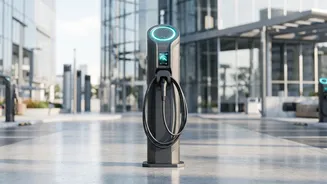
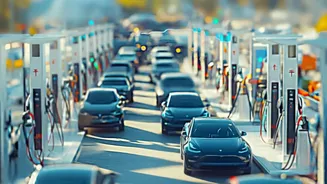
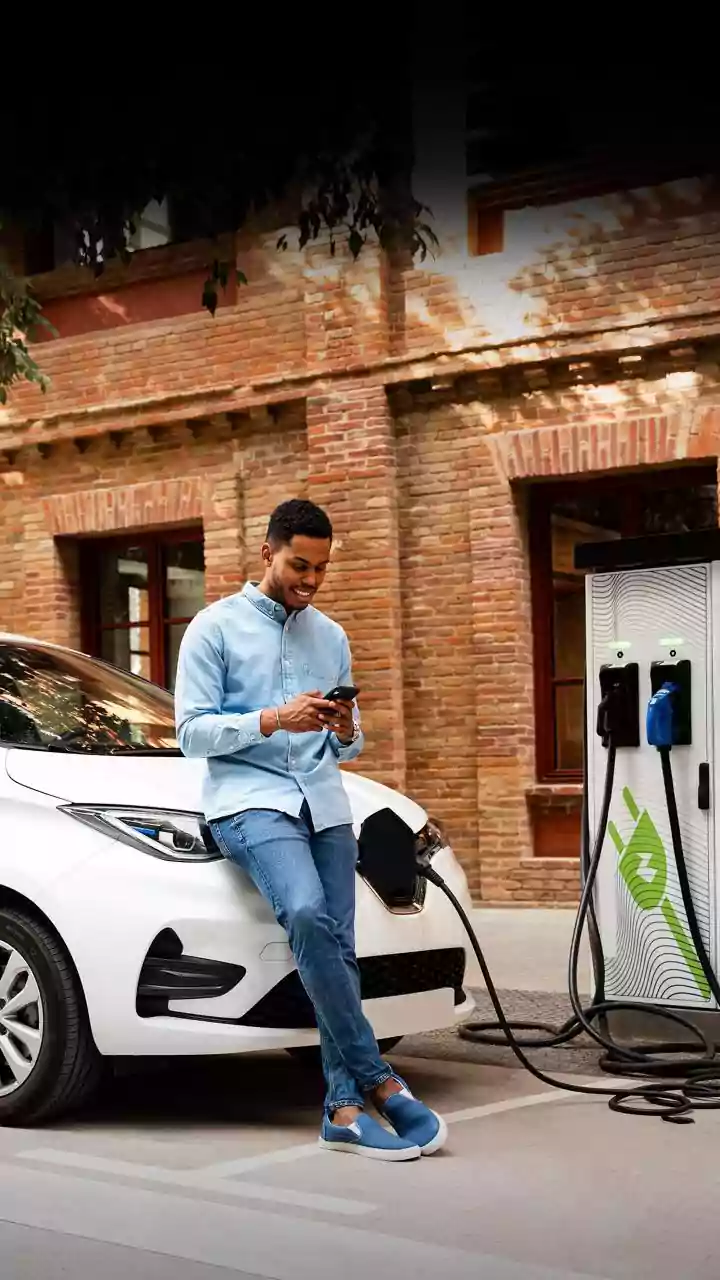
While a 76% YoY jump seems like a straightforward festive boom, the calendar tells a more nuanced story. In 2025, both Navratri and Diwali fell in October, creating a massive base for comparison. In 2026, Diwali shifted to November. This means October's impressive performance was driven largely by Navratri and Dussehra, with the main Diwali buying rush expected to be reflected in November's numbers. Therefore, the strong YoY growth, even with a major festival shifting out of the month, points to sustained underlying demand for EVs beyond just auspicious timing. Factors like high fuel prices, improving charging infrastructure, and more model choices are also convincing buyers to make the switch.
The Market Leaders: Who Won October?
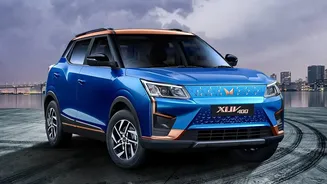
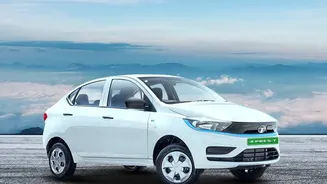
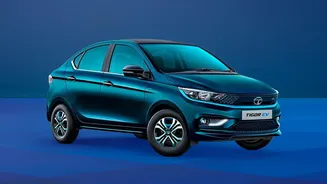
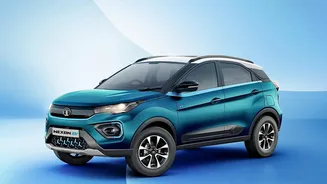
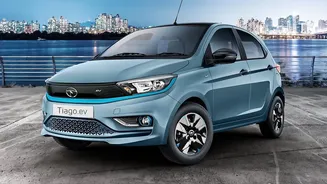
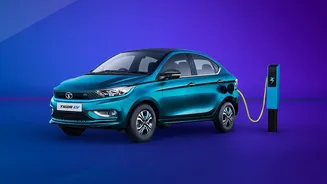
Tata Motors maintained its dominant position, accounting for nearly 40% of the EV market with 14,669 units retailed. While this represents a massive 77.6% YoY growth, its month_on_month sales saw a slight dip. Mahindra & Mahindra secured a strong second place with 8,538 units, recording impressive 85.7% YoY and 9.7% MoM growth. JSW MG Motor India followed in third, selling 5,939 units with healthy growth on both fronts. Together, these three legacy automakers command nearly 79% of the market. Vietnamese newcomer VinFast and Korean giant Kia also crossed the 1,000_unit mark, showcasing the increasing competition in the space.
What's Next for India's EV Market?
The strong October performance, driven by retail demand rather than just factory pushing, is a healthy sign for India's EV transition. All eyes are now on the November data, which will capture the full impact of Diwali sales and reveal whether dealerships were able to clear their high inventory levels. The key challenge moving forward will be to sustain this momentum after the festive season concludes. Continued growth will depend on automakers managing supply chains, expanding charging accessibility, and maintaining competitive pricing. With the market already surpassing 300,000 EV sales in the calendar year by early November, the segment is on track for a record_breaking 2026, proving that the electric shift is well and truly under way.