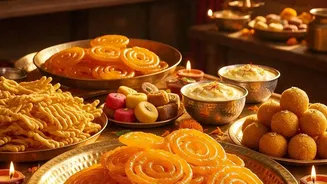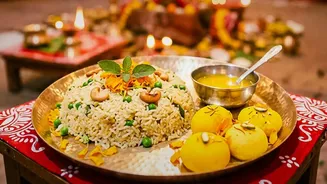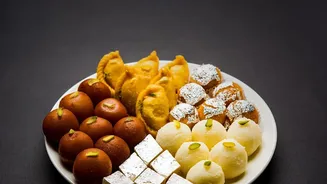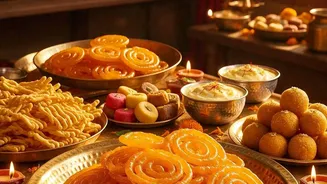





The aroma of freshly made laddoos and barfi is inseparable from Diwali's joy. But for many, it also brings a side of anxiety about overindulgence. What if you could enjoy these festive treats without the guilt and restrictive rules?
Ditch the 'All or Nothing' Mindset
The festive season
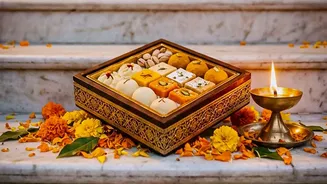
often triggers an 'all or nothing' approach to food. We either restrict ourselves completely, fearing weight gain, or we surrender to overindulgence, promising to 'be good' after the festival ends. This year, try a different path: one of moderation, not deprivation. Nutrition experts suggest that a few days of festive eating won't derail your health if your habits are balanced throughout the year. Food is a central part of the celebration, not something to be feared. Instead of labelling foods as 'good' or 'bad', view them as part of the cultural experience. The goal isn't to avoid your favourite mithai, but to enjoy it consciously.
Practice the Art of Savouring
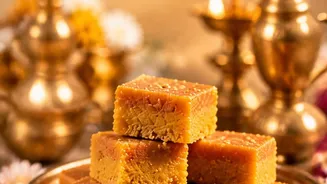
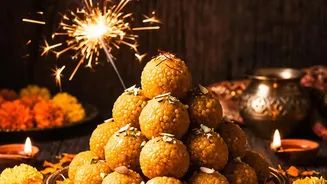
Mindful eating is a powerful tool during festivities. It means being fully present and aware of what you're eating. When you pick up a ladoo or a piece of barfi, take a moment. Observe its texture, inhale its aroma, and chew slowly, savouring each bite. This simple act enhances the sensory experience, leading to greater satisfaction from a smaller portion. Eating slowly also gives your brain time to register fullness, helping prevent that uncomfortable feeling of being overstuffed. When you eat with awareness, you naturally consume less while enjoying it more.
Tune Into Your Body’s Cues
Festivals can create social pressure to eat, even when you're not hungry. Before reaching for another serving, pause and ask yourself: 'Am I truly hungry, or am I eating because it's there?'. Learning to distinguish between physical hunger and emotional or social eating is key. A clinical nutritionist suggests that portion control is about matching food intake to your body's needs and activity level, not about extreme fasting or detoxing later. Enjoy the dishes you love, but listen to your body's signals of satiety. Respecting these cues is more effective than any strict food rule.
Plan for Portions, Not Perfection
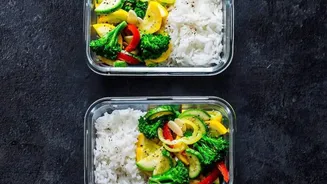
You don't need to count every calorie to eat sensibly. A simpler strategy is to be mindful of your plate. Nutritionists recommend filling half your plate with vegetables or salad, a quarter with protein like dal or paneer, and the final quarter with carbohydrates. When it comes to sweets, try the 'one-sweet rule': pick your absolute favourite and relish it completely instead of sampling everything. If you are preparing sweets at home, you can make healthier swaps like using jaggery or dates instead of refined sugar, and whole grains like ragi instead of refined flour. Even traditional laddoos made with besan or nuts have nutritional benefits, providing folic acid, fibre, and healthy fats.
Seek Balance Throughout the Day
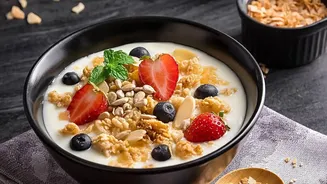
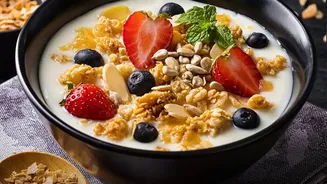
A common mistake is skipping meals to 'save calories' for a big festive dinner. This often backfires, leading to overeating later. Instead, focus on balance. Start your day with a nourishing, protein -rich breakfast to stabilise your blood sugar levels. Don't treat sweets as a standalone snack on an empty stomach ; having them after a balanced meal helps slow sugar absorption. Ensure your meals throughout the day include protein from sources like dal , paneer , or curd , especially if you are avoiding non -vegetarian food during the festivities.
Don 't Forget to Hydrate and Move
Staying hydrated is crucial . Sometimes , our bodies mistake thirst for hunger . Sipping on water , coconut water , or herbal teas throughout the day can help manage cravings and aid digestion . Movement also plays a vital role . You don ' t need an intense workout ; a simple 10 to 15 -minute walk after meals can help regulate blood sugar and prevent sluggishness . Embracing festive activities like dancing or helping with preparations are also easy ways to stay active . This combination of hydration and light activity supports your body ' s ability to handle richer foods .