









A Treasure in Tareythang
Deep in East Sikkim, nestled within the Pakyong district, lies the village of Tareythang. It’s a place of subtropical climate, about 10 kilometers from the district headquarters, known more for its serene landscape than for any agricultural marvels. Yet,
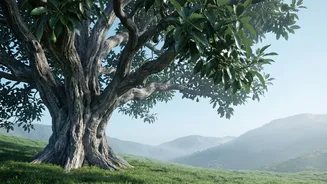
it is here, away from the bustling avocado markets of the south, that a centenarian tree stands as a quiet testament to a farmer's foresight. This isn't just any tree; it is believed to be India’s oldest living avocado tree, a living piece of the region's horticultural history. The location itself is part of the story—a remote village that became the unlikely cradle for a fruit that would one day take the wellness world by storm.
The Journey of the 'Butter Fruit'
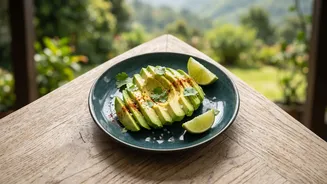
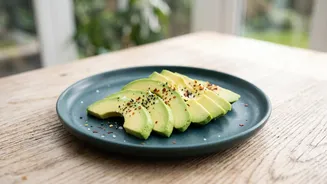
The story begins not in Sikkim, but in Darjeeling. It is said that a man named Dal Bahadur Gurung, a resident of Tareythang, first brought a sapling from a visit to Darjeeling about a century ago. At the time, the fruit was an oddity. Known locally as 'Phalinda' or 'butter fruit' for its creamy texture, it bore little resemblance to the familiar fruits of the region. Avocados were introduced to India in the early 20th century, primarily by missionaries in the southern hills of Tamil Nadu and Kerala. Its journey to the Eastern Himalayas was a less-documented, more personal one, driven by individual curiosity rather than commercial enterprise. Gurung's single sapling, planted in his backyard, was an experiment that would outlive him and become his most enduring legacy.
A Family's Living Inheritance
Today, the tree is cared for by Dal Bahadur’s descendants. It has grown into a towering figure, its sprawling branches heavy with fruit each season. For the family, it is more than just a plant; it is a vital source of income and immense pride. The single tree is reported to yield hundreds of kilograms of avocados annually, a bounty that finds its way to local markets. Its reputation has turned the family home into an informal landmark. People from across the state visit to see the 'mother tree' and purchase its fruit and saplings. It represents a connection to their ancestor and a story of how one small act of planting can provide for generations.
Spurring a Local Revolution
The success of this single tree did not go unnoticed. Inspired by its productivity and the growing demand for avocados, other farmers in Tareythang and surrounding areas began planting their own saplings, many sourced directly from the original tree. This quiet revolution has helped establish Sikkim as a nascent hub for avocado cultivation in northeastern India. The government has also taken notice, with initiatives to promote avocado farming in the state, recognizing its potential for economic upliftment and crop diversification. The suitable climate, with altitudes between 800 and 1,600 metres, has proven ideal for growing varieties like Fuerte and Hass. It all started with one tree, which demonstrated the viability of the crop in the region long before official schemes were conceived.
More Than Just a Fruit
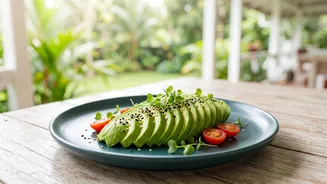
While there are other old avocado trees in India, such as a 75-year-old specimen in Kerala's Ambalavayal, the Tareythang tree's reported age of over a century makes it a unique specimen. Its story is a compelling reminder that the history of our food is often rooted in specific places and personal journeys. The 'location angle' isn't just about geography; it's about the context and community that allowed this tree to thrive. It’s a story of adaptation, of how a fruit from Mexico found a home in the Himalayas, and how it was nurtured by a family until the rest of the world caught up to its appeal. The tree in Tareythang is not just old; it is a symbol of patience, heritage, and the surprising origins of a modern-day superfood.