



Adopt a 'Hub and Spoke' Strategy
Instead of a linear trip where every night's stay is pre-booked, choose a well-connected town as a base for several days and explore from there. This model provides stability while allowing for immense flexibility. For example, you could base yourself
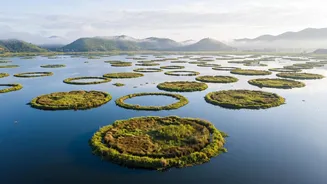
in Jorhat in Assam to explore the vast river island of Majuli and nearby tea estates. Similarly, in the Kumaon region of Uttarakhand, using a town like Almora or Mukteshwar as a hub allows for spontaneous day trips to places like Binsar Wildlife Sanctuary or the temple town of Jageshwar, without the pressure of packing up and moving every morning. This approach reduces travel fatigue and lets you build a relationship with a place, gaining local insights for your next impromptu adventure.
Focus on Flexible Transport
India's transport network can be your greatest asset for spontaneous travel. While long-distance trains, especially on popular routes, should be booked in advance using official railway platforms, other modes offer incredible flexibility. Government and private buses connect even the smallest towns, often running multiple times a day with no prior booking needed. In hilly regions like Meghalaya or Nagaland, shared jeeps, locally known as 'Sumos', are the lifeline of local travel, offering a cheap and authentic way to get around. For ultimate freedom, hiring a car with a local driver for a day or two can open up remote valleys and villages that aren't on any bus route. The key is to know which part of your journey needs structure and which can be left to chance.
Regions Built for Spontaneity
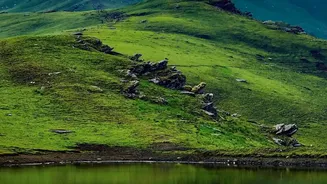
Certain areas in India are naturally suited to a less structured travel style. The states of Northeast India are a prime example. Beyond the main cities, the region is a tapestry of small villages, each with its own culture and landscape, connected by scenic roads. You can travel through Meghalaya, discovering living root bridges and sacred forests, staying in village homestays that you often find on arrival. Another excellent choice is the Kumaon division of Uttarakhand. Less traversed than its Garhwal counterpart, Kumaon is filled with quiet hill towns like Chaukori and Munsiyari, where the joy lies in waking up to Himalayan views and deciding your day's plan over a cup of tea. These regions reward travellers who are willing to go with the flow.
Bookend Your Trip, Free the Middle
A simple trick to reduce travel anxiety is to book your accommodation for the first one or two nights at a new destination and for the final night before you fly home. This provides a soft landing after a long journey and ensures you don't miss your departure. The entire middle of your trip is then free for exploration. This strategy allows you to extend your stay in a village you’ve fallen in love with, take a local's recommendation for a detour, or join fellow travellers on an unplanned trek. It removes the pressure of a fixed schedule, which is often the biggest barrier to genuine discovery. This small amount of structure gives you the confidence to embrace uncertainty for the bulk of your adventure.
Tap into Local Intelligence
The best travel advice in India rarely comes from a website; it comes from people. Your homestay owner, the driver you hire for the day, or the person sitting next to you on a bus holds the key to discovering a hidden waterfall, a local festival, or the best place for a home-cooked meal. In emerging regions, where online information can be sparse, this human connection is invaluable. Don't be afraid to ask for recommendations. This approach not only leads to better experiences but also fosters a more respectful and meaningful interaction with the local community. Many communities in regions like the Northeast value personal interaction, and engaging respectfully can open doors to incredible experiences.